
The stay
Why this lodge, for this traveller
Remote Frontiers is not looking for a nicer room near a desert postcard. It is looking for stays that take a place seriously enough to keep what was already there.
Tierra Atacama does that. It sits on the outskirts of San Pedro de Atacama, in Chile’s northern desert, with panoramic views toward the Andes and Licancabur Volcano. The lodge rises on the site of a long-abandoned cattle corral and retains original adobe walls — mud brick forms the hotel’s own site dates at about 150 years — at the entrance. Landscape architect Teresa Moller worked those walls and the existing vegetation into a fertile oasis that still feels like desert ground, not a lawn imported from elsewhere.
If you travel to go into a place, not to collect a spa list at the end of the earth, this is the argument.
The place
A corral on the altiplano edge
Founded by the Chilean Purcell family — known for Ski Portillo in the Andes — Tierra Atacama opened as a landscape-first lodge in one of South America’s driest inhabited regions. Chilean architects Rodrigo Searle and Matías González designed it to read the site’s history, climate, and light. Expansive windows pull the outside in; interiors lean on local craftsmanship and Atacameño references rather than generic desert-luxury props.
In 2025 the lodge completed a significant renovation, again with Matías González in the mix according to the property’s own story, and with more than forty local artisans contributing to the refreshed spaces. Tierra Atacama now stands with its Chilean sister, Tierra Patagonia, inside the Beckons collection of nature lodges. The marketing word is oasis. The more useful word is continuity: the corral walls stayed; the lodge learned to live beside them.
Keep reading if you care how an abandoned cattle yard on the edge of San Pedro became a stay, and what that does to days among salt flats, volcanoes, and high desert light.
The form
What you are actually looking at
According to the lodge, twenty-eight rooms face desert, gardens, and Andean silhouettes. Oriente rooms look toward Licancabur; Poniente rooms turn toward the Cordillera de la Sal side of the story. Suites and two-level apartments add more living space; the hotel’s stay pages give room footprints in the mid-thirties of square metres for standard rooms and about seventy for suites and apartments. Private terraces and outdoor showers are part of how the design invites the night sky in — a detail the property emphasises.
Uma Spa takes its name from the Aymara word for water. Outdoors, an infinity pool and jacuzzi look toward Licancabur; indoors, a heated pool, steam, and treatment rooms sit in a stone-clad sanctuary. The restaurant uses floor-to-ceiling glass toward the horizon. Common terraces gather guests at dusk when the desert colour shifts and the volcano becomes a silhouette.
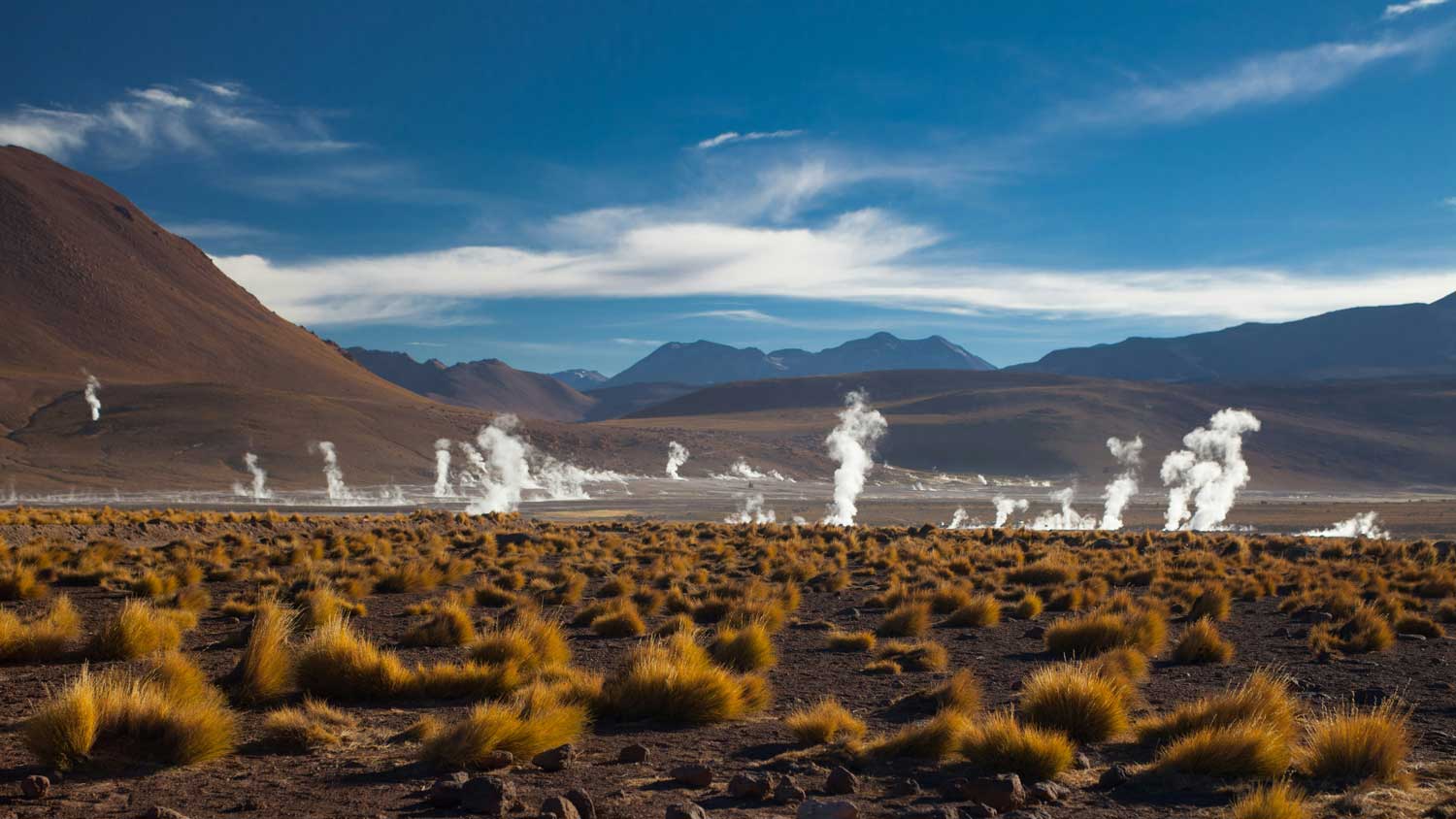
Days from here are altiplano days: salt flats, lagoons, geyser fields, dunes, and canyons that define the Atacama itinerary. Which valleys and sites are open, and which transfers run, change with season and local rules. Check current conditions. Do not treat an old brochure as a promise.
On water and power, the lodge states it draws from an on-site well with reverse osmosis rather than the town supply, reuses grey water for irrigation, and pioneered a hybrid solar system that it says cuts more than 240 tons of CO₂ a year. Those are the property’s claims; they matter because they match the site story — an abandoned yard made arable again.
The culture
Atacameño ground, not a lodge imported from elsewhere
The authority of this stay is local and architectural. The adobe walls at the entrance are not decoration bolted on later; they are the cattle-era fabric the architects chose to keep. Teresa Moller’s landscape work treats the oasis as agriculture and native plant life recovering a scarred plot, not as a resort garden fighting the desert.
Inside, the hotel says Atacameño culture and history show up in wall maps, handcrafted pieces, handwoven textiles, and regional artefacts, with the 2025 refresh shaped by dozens of local artisans. Licancabur — often called the mountain of the people in the region’s storytelling — remains the visual totem. You are not sleeping in a fantasy of emptiness pasted onto a spa. You are sleeping on the edge of an oasis town whose streets still run adobe, with a lodge that refused to erase the corral.
Tierra Atacama is the northern sister of Tierra Patagonia. Use that as map, not as a name-drop. The exclusive thing is simpler: a front row on Licancabur that most San Pedro stays never earn, because they treat the desert as a backdrop instead of a working landscape.
This is not cosmology pasted onto a spa. It is Atacama, mud brick, well water, and a volcano that is still a working landmark. Guides, not hashtags, are how you get closer.
The light
First light on the volcano
The photograph of the volcano is easy. The stay is for the hours when the adobe walls and the garden are the quiet against the desert wind.
When to go
What to look for, season by season
Clear volcano views: dry air after wind.
Shoulder quiet: shoulder months; check site hours.
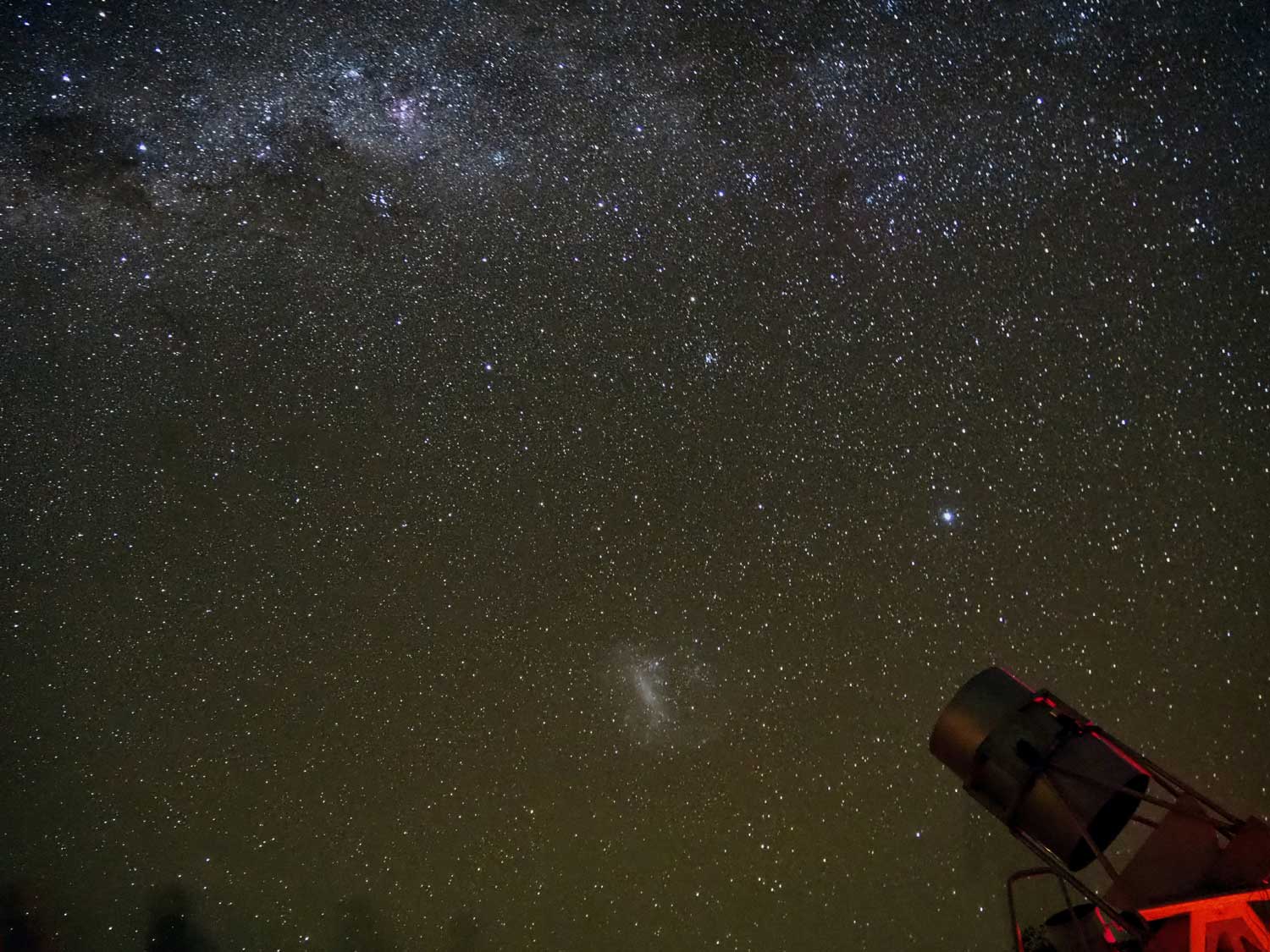
Stars: high, dry nights — light discipline matters.
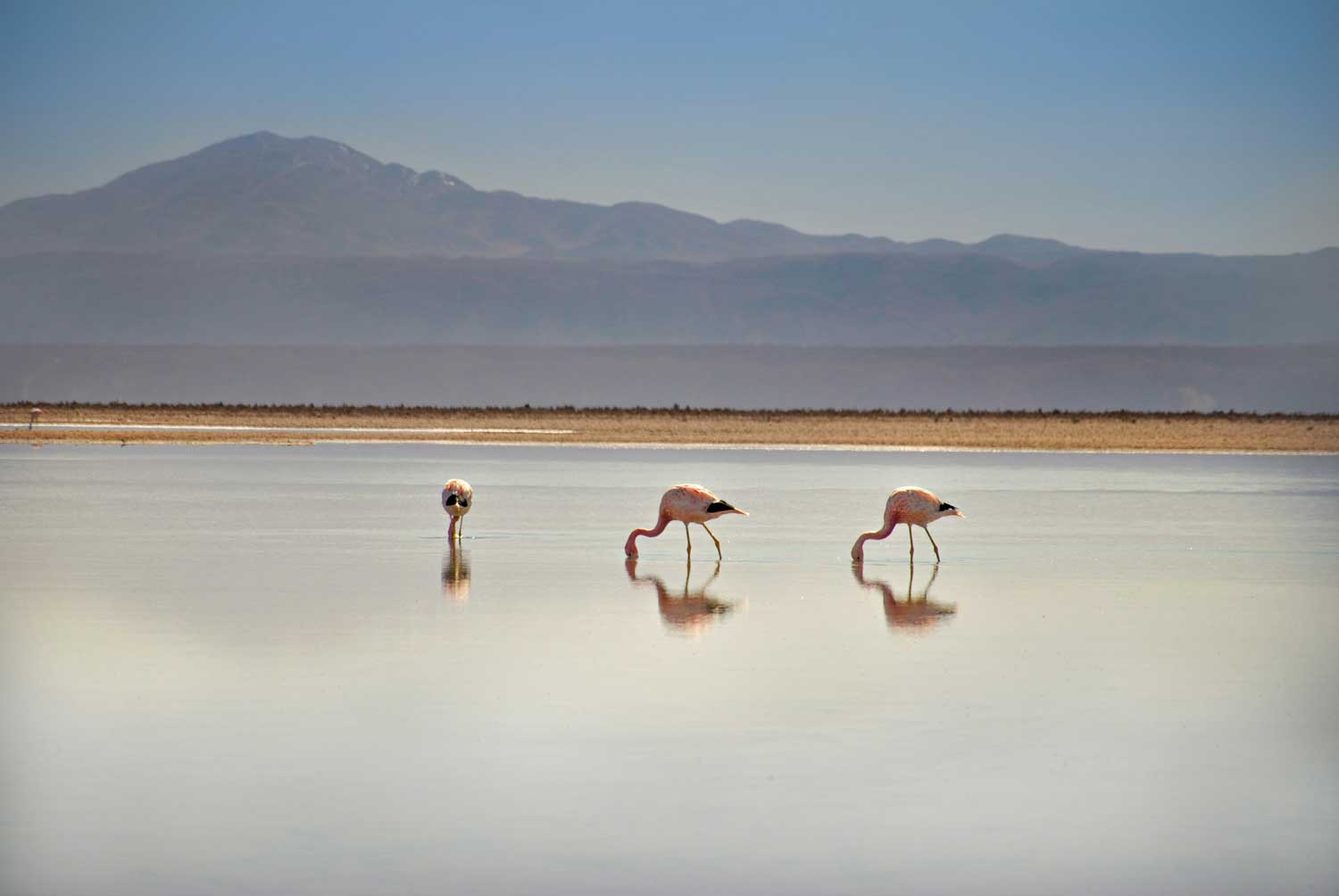
Wildlife: lagoons when water and season allow.
Photography: salt flats and Licancabur; stay off closed tracks.
Wind, altitude, and local rules still decide the day.
The form
What you notice from the edge of San Pedro
Go if the corral is part of the point
The reason.
Visit Tierra Atacama if you want San Pedro’s desert to remain large and still care how an abandoned cattle yard became a place to sleep. The lodge is interesting because it kept the adobe walls and asked the garden to grow from what was already living there. Days here only work if you go out: a salt flat at dawn, a lagoon under hard light, a canyon when the wind allows, then back into shade and quiet with Licancabur still in the frame.
Skip it if you need a lodge hours from any town. This one sits on the outskirts of San Pedro. The remoteness is in the desert you reach from it and in the altitude of the altiplano, not in a driveway that pretends civilisation never existed.
Calama is the usual airport gateway; the last kilometres are desert road and weather. Arrive with time. Leave with the same.
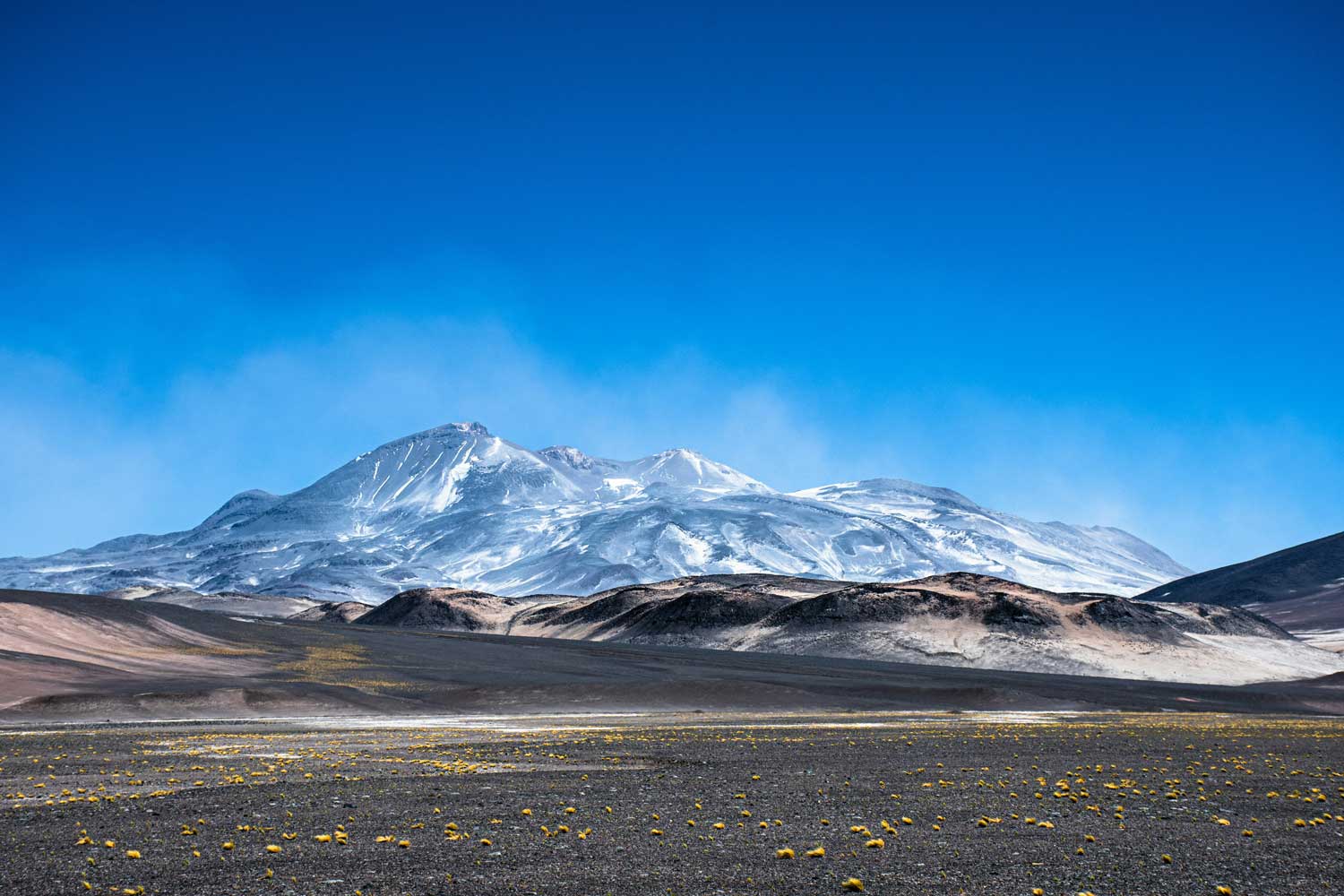
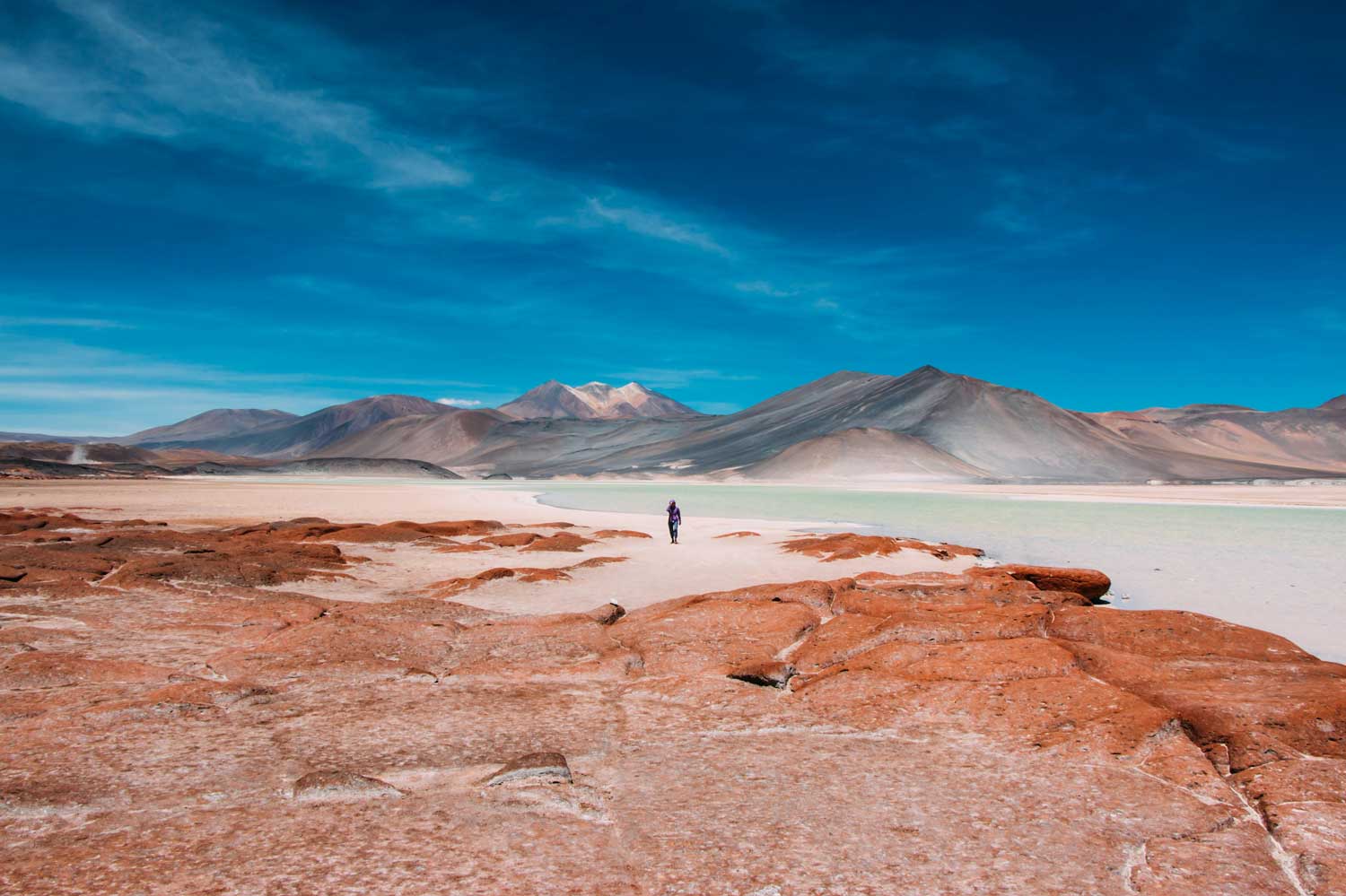
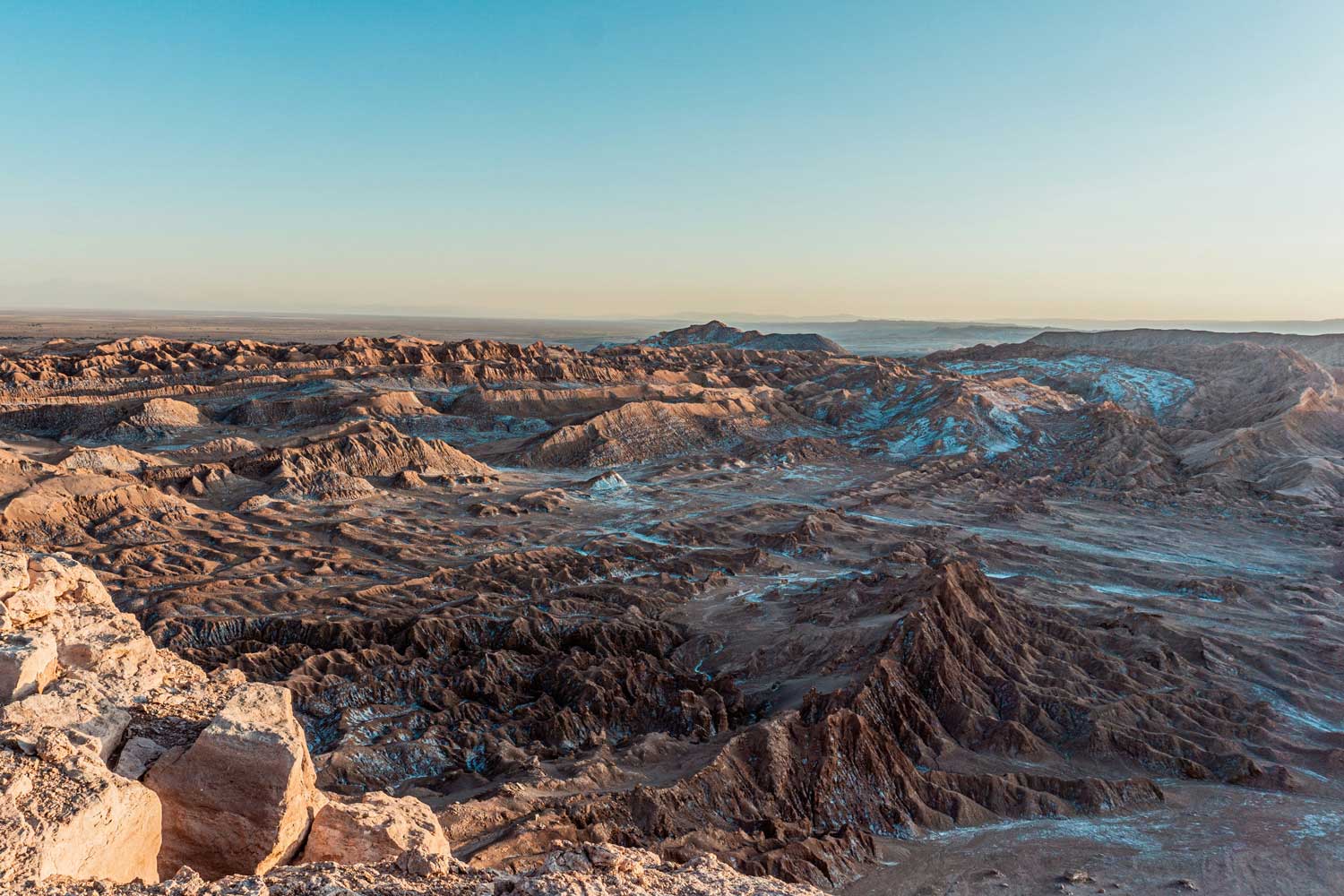
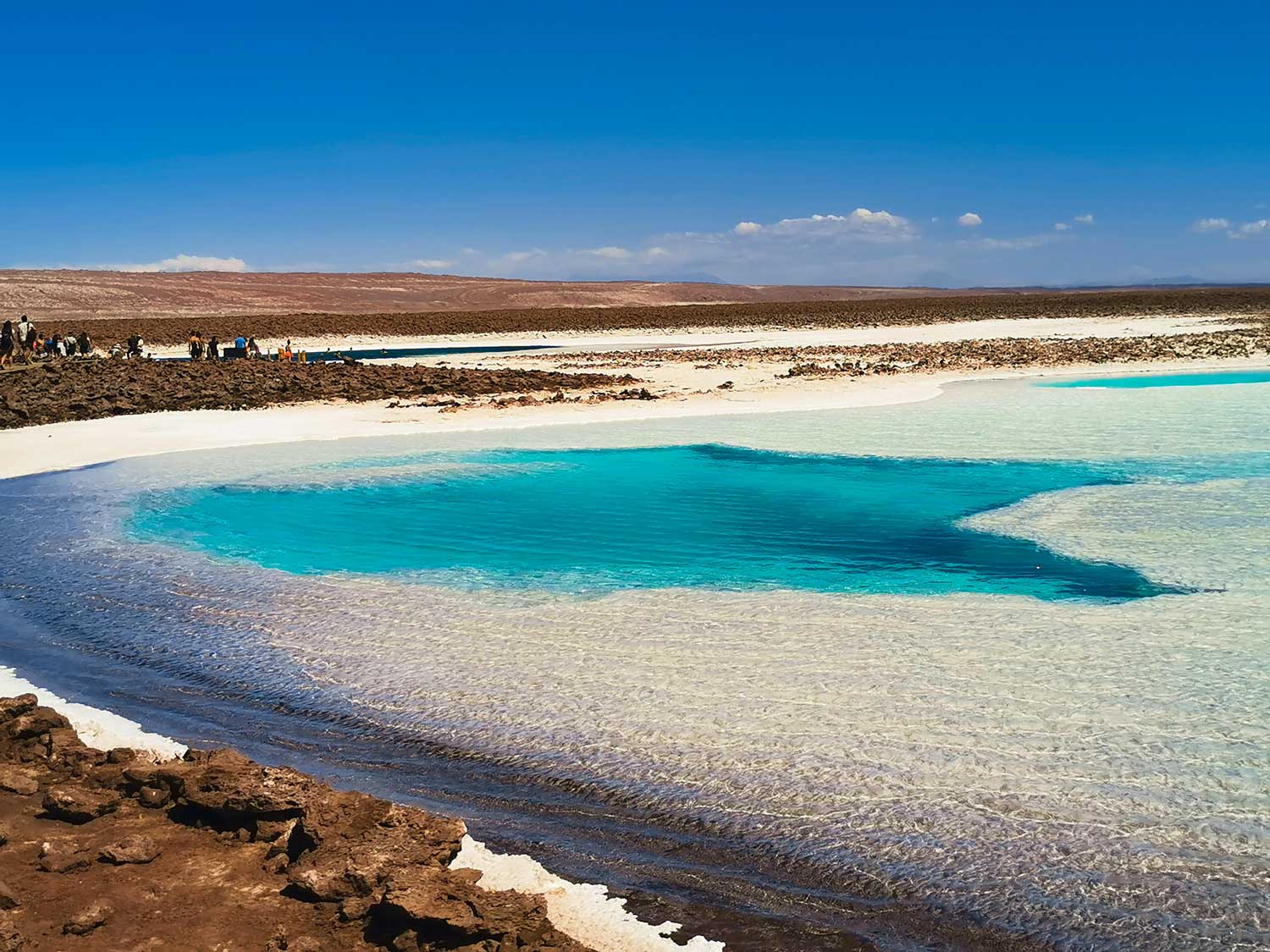
Photographs on this page are Remote Frontiers destination landscapes of the Atacama Desert, not interiors of the hotel.