
The stay
Why this lodge, for this traveller
Remote Frontiers is not looking for a nicer room near the park gate. It is looking for a base that makes the park the day — not a two-hour commute you repeat every morning.
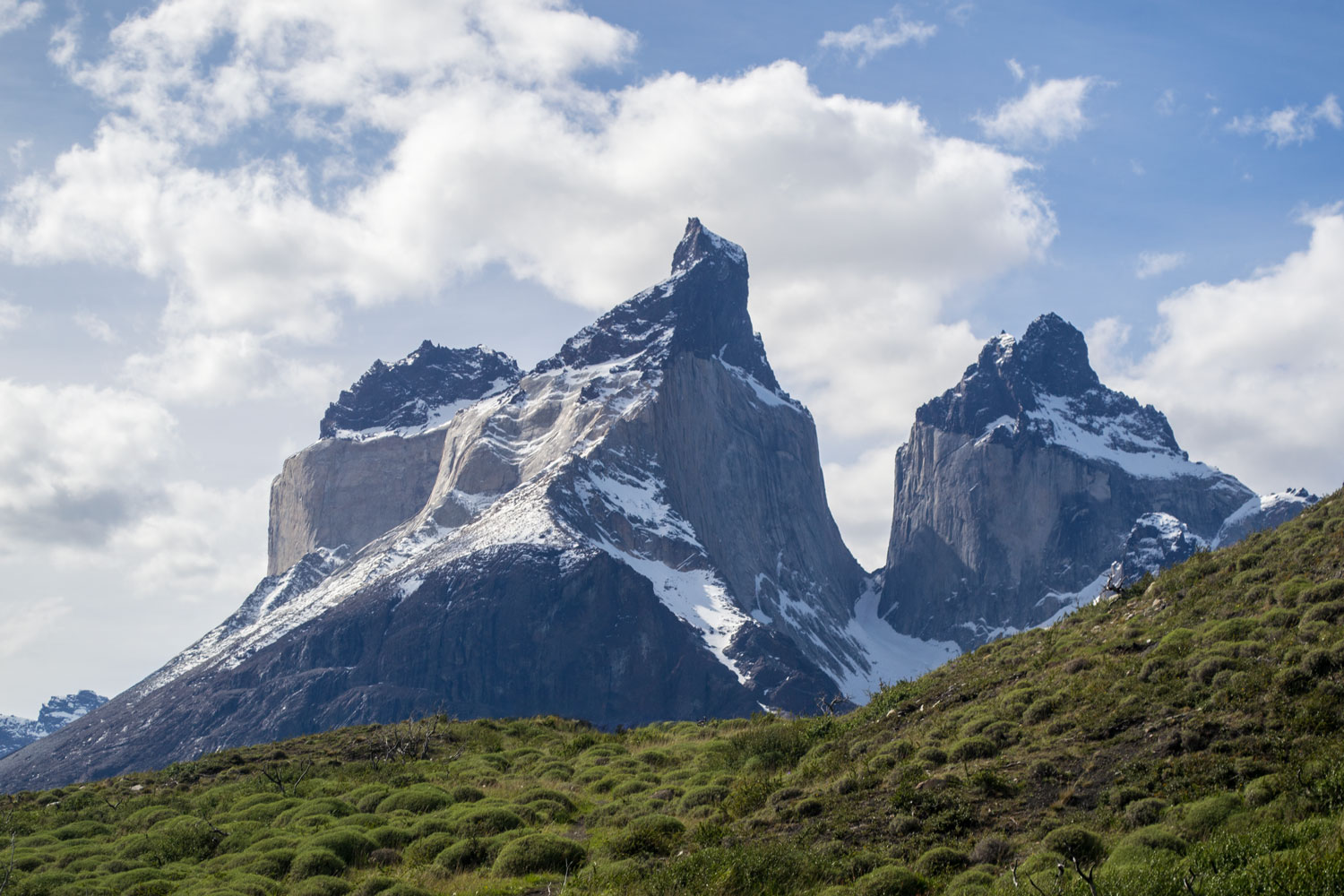
Explora Torres del Paine does that. According to Explora, the lodge sits on the shores of Pehoé Lake, inside Torres del Paine National Park, with views of the Paine massif. The stay is all-inclusive: accommodations, more than forty guided Explorations, meals and beverages, spa facility access, park entrance fees, and round-trip transfers between Puerto Natales and the lodge.
If you came for granite, wind, and time on the ground, this is the argument for sleeping where the explorations start.
The place
Pehoé Lake, Salto Chico, park heart
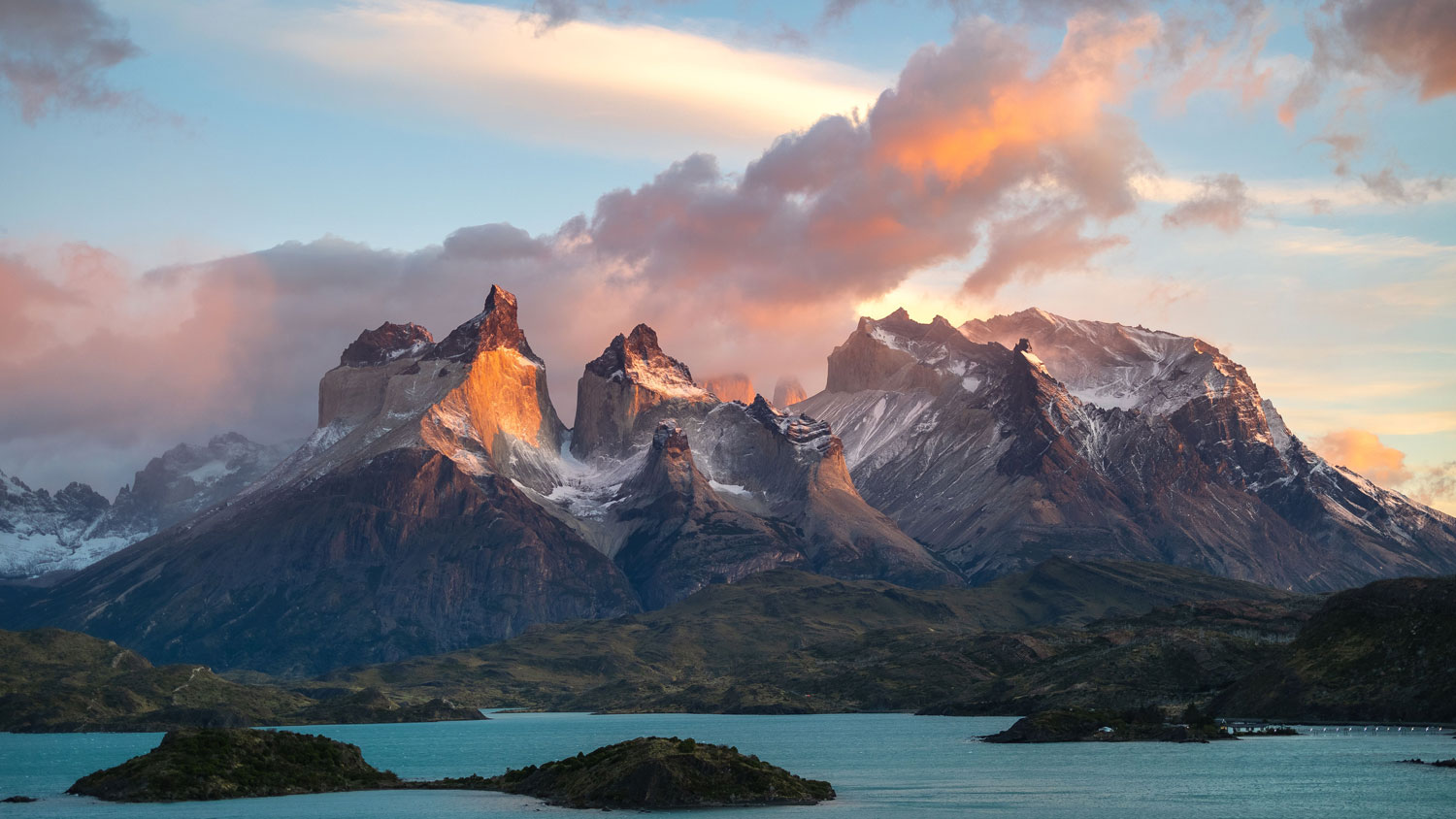
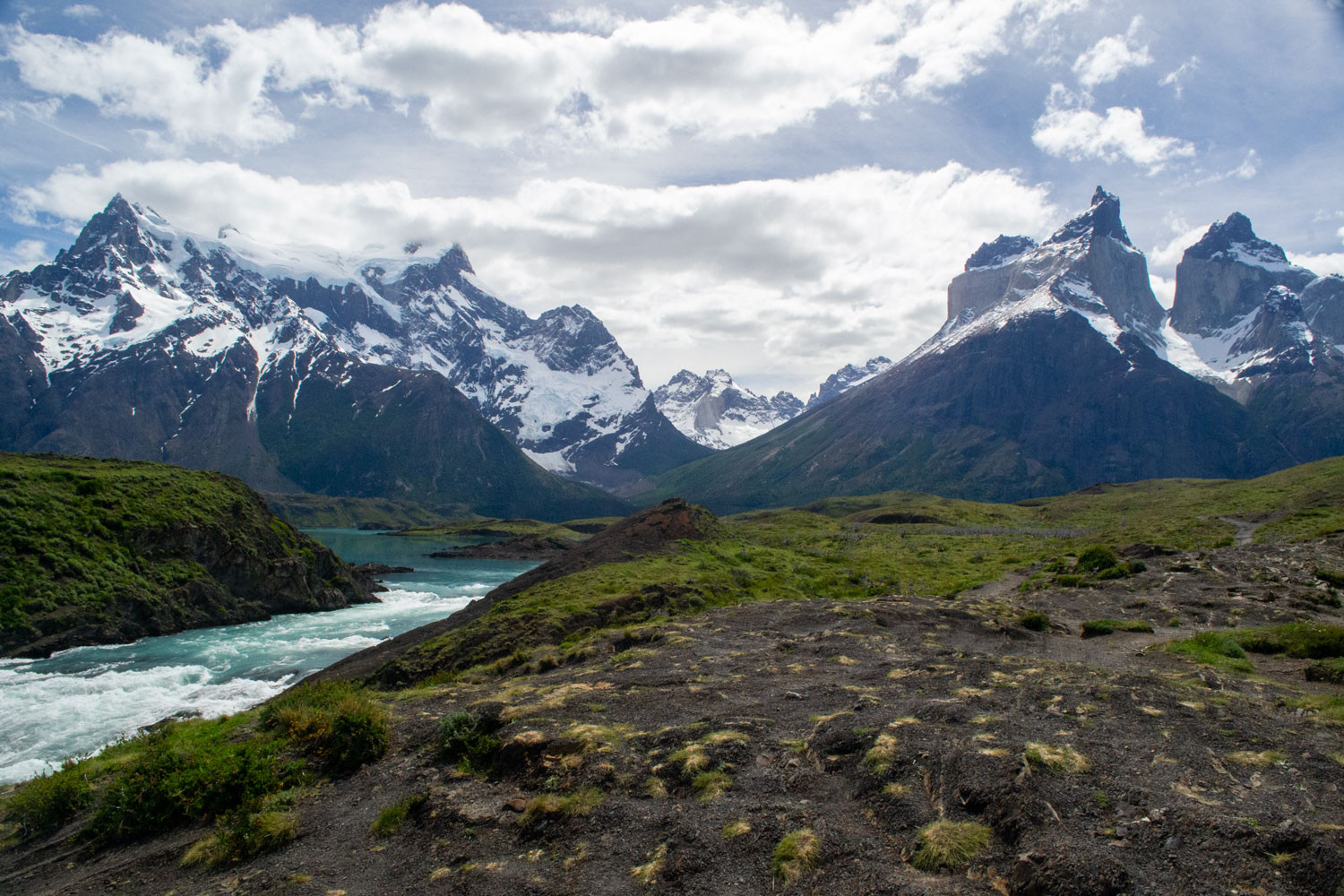
The setting is not a hotel parked outside the fence. Explora places the lodge in the park’s Encuentro zone — the meeting of lakes and massif — with Salto Chico nearby and the towers and horns in the weather’s daily theatre. From here, days reach six named zones of the park: steppe, forest, glacier country, mountains, and Explora’s own Conservation Reserve.
Keep reading if you care how a thirty-year expedition lodge organises evenings around tomorrow’s explorations, and why a private reserve and a school of guides sit behind the postcard.
The form
What you are actually looking at
Explora describes a fifty-room lodge with award-winning design and amenities that include a spa with a heated pool, steam sauna, and open-air hot tubs. Partner materials commonly list Cordillera Paine rooms, Salto Chico rooms facing the waterfall, and larger Exploradores Suites facing the massif — confirm the room mix at booking.
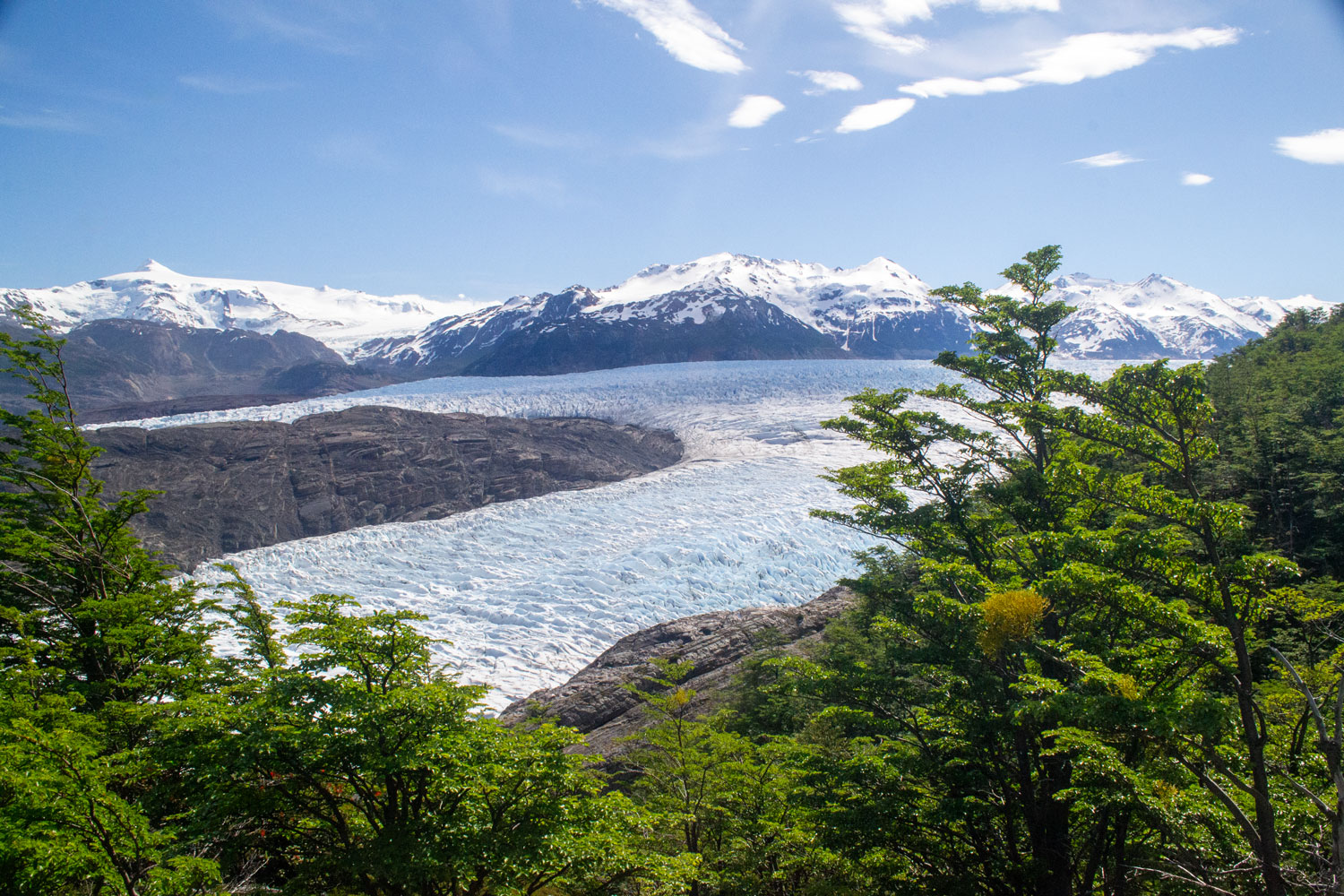
The operating model is the distinctive part. Each evening, guides help tailor the next day’s Explorations. Groups stay small — Explora says no more than eight guests — across classic routes and Signature Explorations on Explora-only ground. Options Explora names include Base of the Towers, Grey Glacier, kayaking, birdwatching, horseback riding with Patagonian horses from Explora’s own stables, and gaucho cultural experiences. Privately guided Explorations are available at additional cost.
Food is framed as territory cooking: locally sourced ingredients, Chilean wines, and a gastronomic nod to gaucho legacy — not a tasting-menu spectacle for its own sake.
Getting here: fly into Punta Arenas (PUQ), continue to Puerto Natales, then roughly 112 km / 1.5–2 hours into the park along Ruta 9 and the Sarmiento road. Transfers from Puerto Natales are included. Which valleys, ferries, and trails are open still change with season and park rules. Check current conditions. Do not treat an old itinerary as a promise.
Explora operates the lodge year-round. The main expedition season runs October through April; shoulder months often mean fewer visitors while Explorations continue.
The culture
Inside the park, and beyond the fence
The exclusive thing here is not a longer amenity list. It is the combination of an in-park base, a private conservation reserve, and a guide culture Explora has been refining since the lodge opened.
Explora’s own history: in 1990 the company won a CONAF tender to operate in Torres del Paine; the first lodge launched in 1993. Chilean architects Germn del Sol and José Cruz Ovalle designed it National Architecture Award winners, in Explora’s telling — with wood and colour meant to read as Patagonian building, not imported resort gloss. Founder Pedro Ibáñez and friends, including del Sol, shaped the Explora idea around remote Chile rather than Caribbean-style tourism. Explora later framed luxury as “the luxury of the essential”: water, a good bed, natural light, food, simple interiors the opposite of accessory abundance.
The Conservation Reserve Explora cites about 15,000 acres — underwrites Explora-only explorations in Magellan forests, granite hills, glaciers, and natural hot pools. On Estancia 2 de Enero, between October and April and weather permitting, Explora holds the Quincho: gauchos prepare roast lamb with views of the towers, mate circulating, storytelling without a stage.
Guides train at Explora’s own School of Guides. They walk beside you, Explora says — not in front with a script. That is the social currency: time inside the park, a reserve you cannot reach on a day-trip bus schedule, and a thirty-year argument that exploration is how you learn to care for a fragile place.
This is not cosmology pasted onto a spa. It is Pehoé light, massif weather, a dock toward the French Valley, and a bar where tomorrow’s route is still negotiable.
The light
First light on the massif
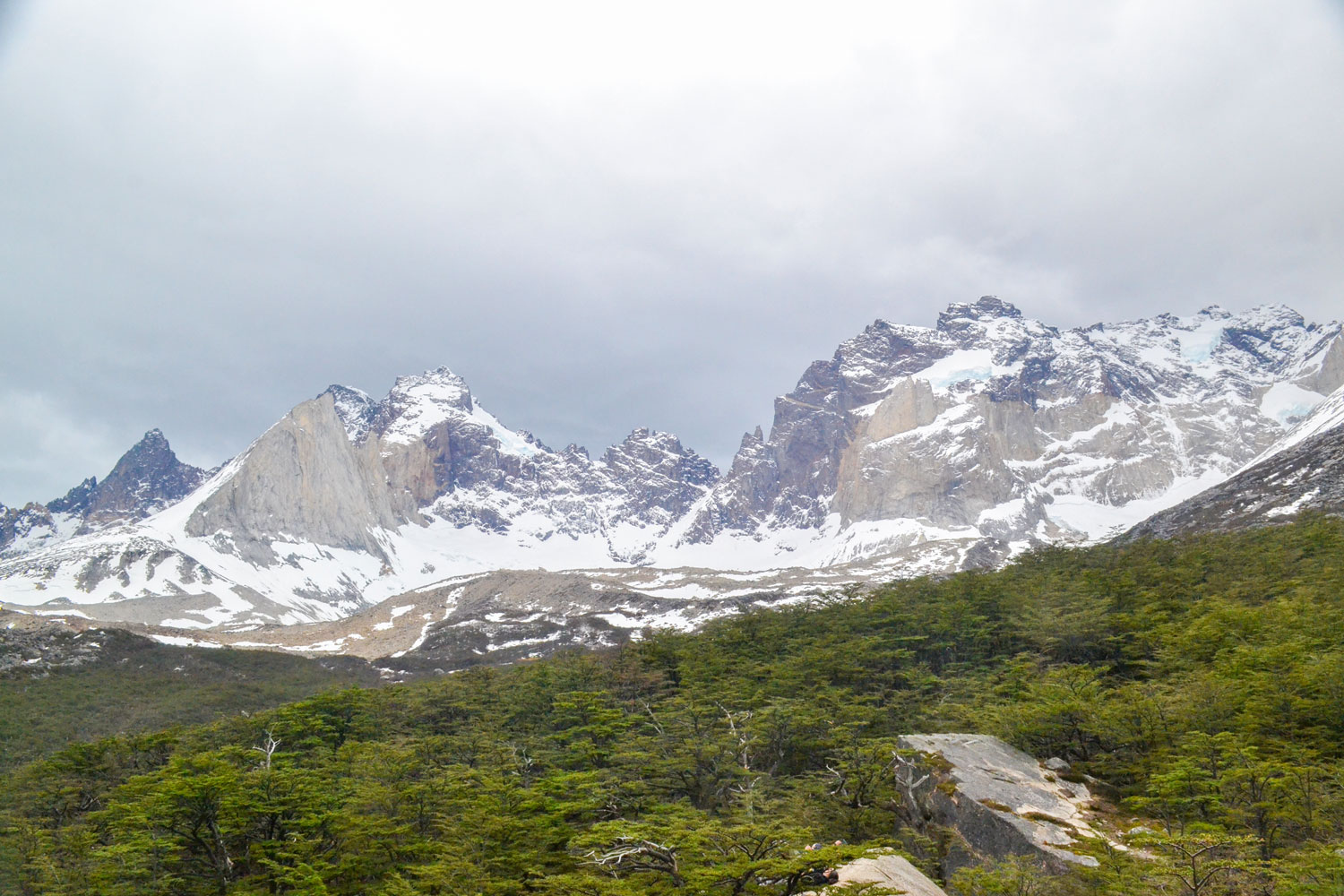
The photograph of the Towers is easy. The stay is for the hours when you are still inside the park when the wind turns.
When to go
What to look for, season by season
Clean massif views: clear air after wind.
Park days: Base Torres, Grey Glacier, ferry and trail rules that week.
Wildlife: steppe and forest edges; sightings never promised.
Shoulder quiet: October–November and MarchApril; check lodge and park hours.
Wind and the park office still decide the day.
The form
What you notice from Peho
Go if the park is the point of the night
Visit Explora Torres del Paine if you want Torres del Paine to remain large and still care where you sleep: inside the park, on Pehoé, with explorations that start from the lodge rather than from a city clock. The lodge is interesting because the in-park location is structural, because the reserve and school of guides are part of the product, and because the architecture was asked to host remoteness without pretending the wind is soft.
Skip it if you want a walk-from-town hotel, a fixed group trek hut, or a Puerto Natales base with long daily drives. This stay asks for transfer time and for days spent outside. Arrive with time. Leave with the same.
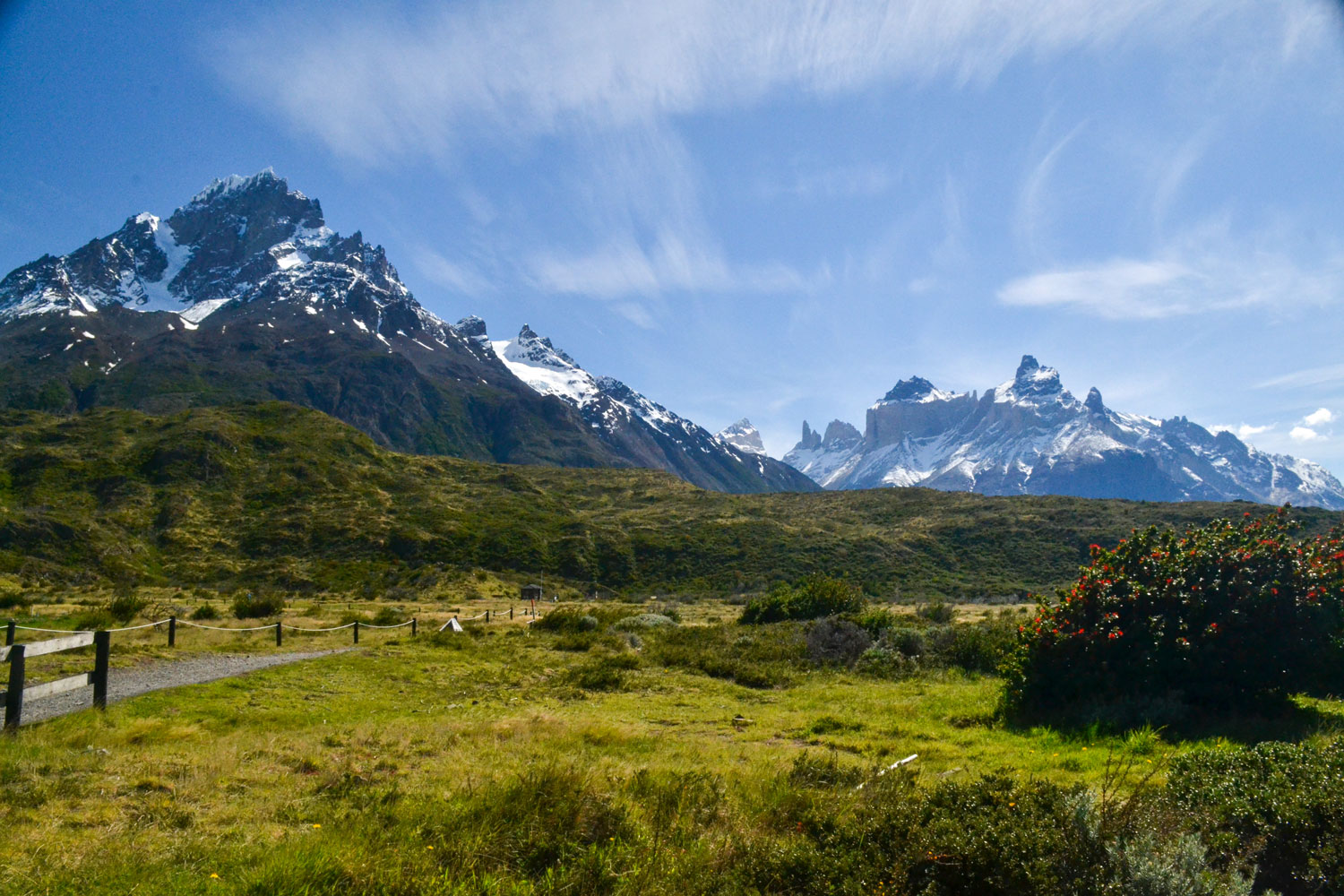
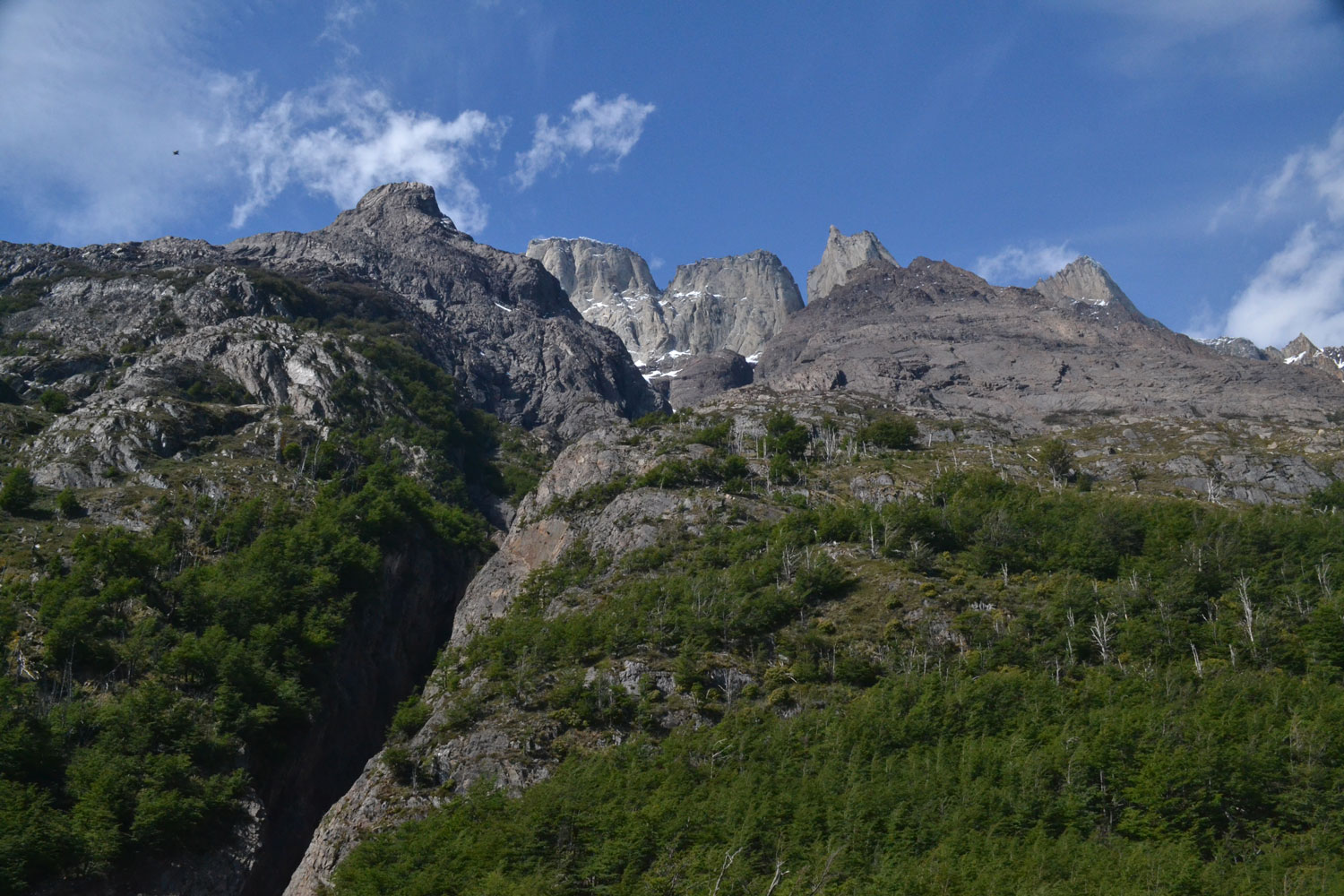
Photographs on this page are Remote Frontiers destination landscapes of Torres del Paine / Patagonia, not interiors of the hotel.