
Placeholder 1
Chile · Biobío Coast
A low Pacific island of dense forest, shipwreck lore and long beaches—closer to the mainland than it first appears, and quieter than its legend suggests.
Destination
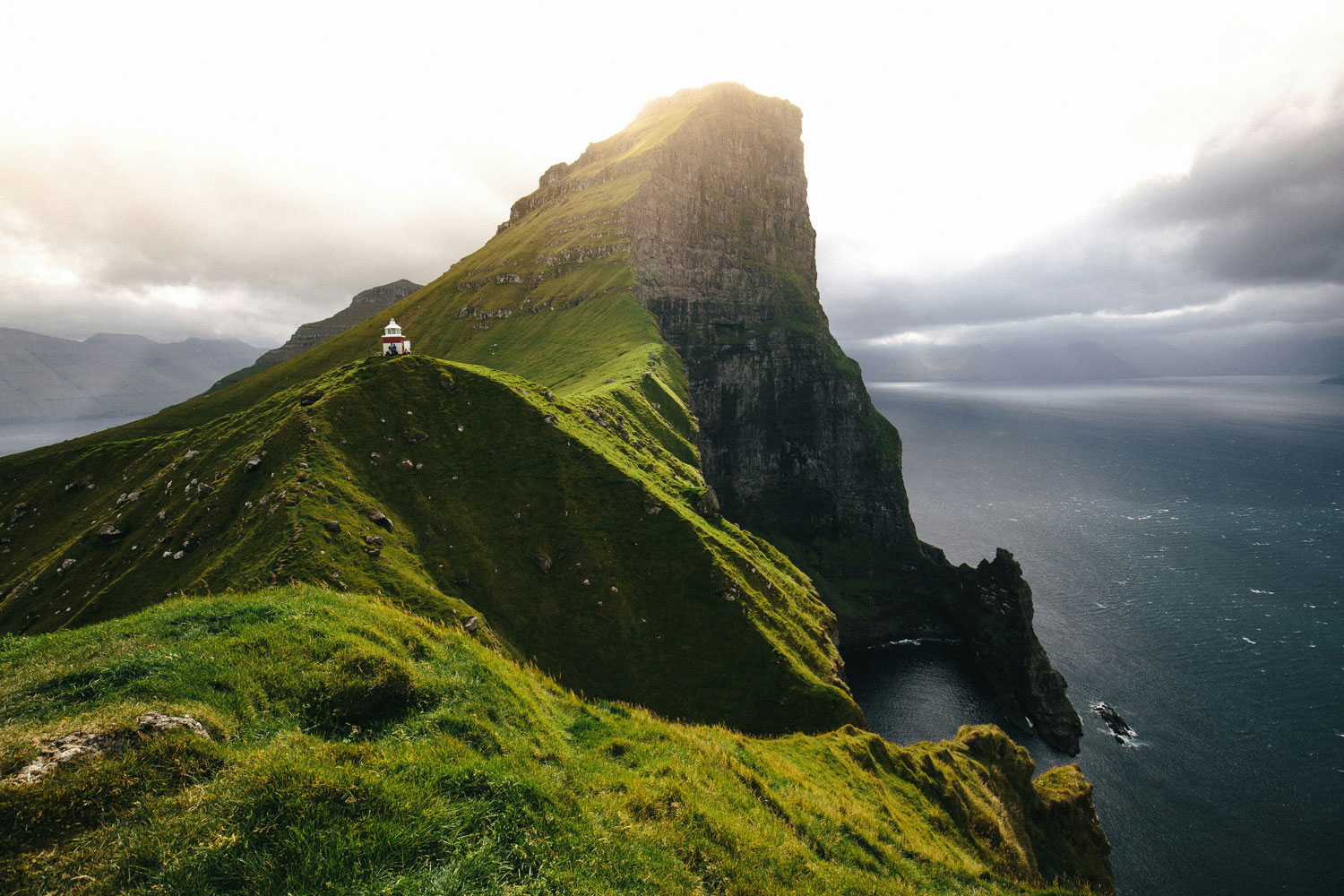
Off the coast of Chile’s Biobío Region, Isla Mocha rises from the Pacific as a compact, forested island—roughly 13 kilometres / 8 miles long—separated from the mainland near Tirúa by a narrow stretch of open water. From a distance it looks almost modest: a green ridge, a soft silhouette, no granite drama. Up close, the island reveals a different scale of remoteness: wind-shaped forest, long empty beaches, and a pace set by boats, weather windows and local rhythm rather than by itinerary apps.
For Remote Frontiers, Mocha belongs to a quieter southern Chile—not Patagonia’s ice fields, but a coastal frontier where nature still feels primary and visitors remain few. It is a place that rewards travellers who value atmosphere and history as much as viewpoints.
Placeholder 1
Placeholder 2
Legend & landscape
Mocha’s nickname as a “pirate’s paradise” comes from centuries of maritime lore. European sailors and corsairs—Francis Drake among the names that cling to the coast—knew these waters as a difficult, rewarding stretch of the South Pacific. Shipwreck stories and island myths sit beside a deeper Indigenous presence: Mocha has long been part of Mapuche geography and cosmology, a place layered with meaning well before it entered pirate romance.
What remains for the traveller is not a theme-park retelling, but a landscape that still feels slightly outside the usual Chilean circuit. The island’s interior holds temperate forest and a protected reserve character; its shores open to long beaches and a sense of exposure to the ocean. Wildlife and birdlife matter here; so does the feeling of arriving somewhere that is still primarily lived by its own community, not performed for visitors.
How to approach it
Days on Mocha are best shaped simply: a boat crossing when conditions allow, time on foot along the coast or into the forest, and enough margin for weather to rearrange plans. This is not a destination for stacking many “must-sees”; it is for depth in a small geography—walking, watching light change across the Pacific, eating locally, and letting the island’s quiet do the work.
Practical frame:
Access: typically via boat from the mainland near Tirúa / the Biobío coast—schedules and crossings depend on sea conditions.
Best fit: travellers comfortable with simple logistics and quieter stays.
Pair with: a slower coastal Chile route rather than a rushed Patagonia transfer day.
Expect: limited services, genuine remoteness, and a strong sense of place rather than polished tourism infrastructure.
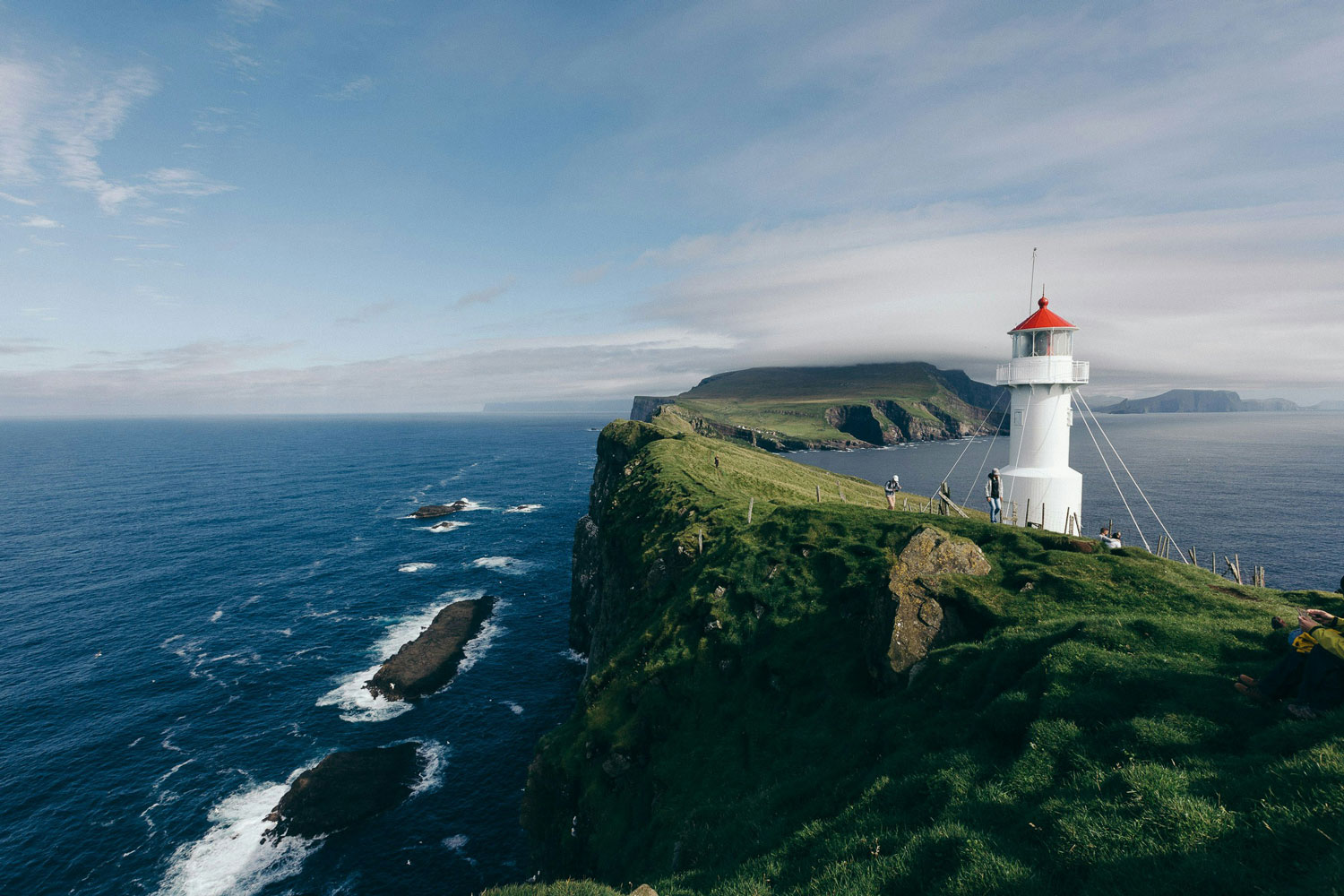
Mocha Island is not Patagonia’s spectacle, and it does not try to be. Its power sits in the combination of Pacific wilderness, layered history and the rare feeling of a southern Chilean island that still sits slightly apart. For travellers drawn to places beyond the crowds—harder to plan well, worth the effort—Mocha is a field note worth keeping.
At RF, we treat islands like this as remote intelligence: not every journey needs a glacier. Sometimes the frontier is a short crossing, a forested ridge and a beach that still belongs to the weather.