
The stay
Why this lodge, for this traveller
Remote Frontiers is not looking for a nicer room near a park gate. It is looking for stays that take a place seriously enough to keep what was already there.
The Singular Patagonia does that. It sits at Puerto Bories, on the shores of the Señoret Channel in Última Esperanza, about five kilometres north of Puerto Natales — a five-minute drive from town, not a lodge on the rim of Torres del Paine. The hotel occupies the former Puerto Bories Cold Storage Plant (Frigorífico Bories), declared a Chilean National Monument in 1996. Antique machinery stays visible in the museum-hotel transit areas. Torres del Paine is the day. The plant is the stay.
If you travel to go into a place, not to collect a spa list at the end of the earth, this is the argument.
The place
A cold store on Last Hope Sound
Última Esperanza — Last Hope — is the name of the sound. The plant was built by the Sociedad Explotadora de Tierra del Fuego, named for Carlos Bories, governor of Magallanes from 1898 to 1904. Construction began in 1906; the plant was inaugurated in 1914. Workers travelled daily by train from Puerto Natales to process and export more than three thousand sheep a day to Europe. Brick pavilions, boilers, a power plant, and a wooden loading pier about 158 metres long still mark the shore.
The frigorífico worked until the mid-1980s, then stood abandoned. In 2011 more than 10,000 square metres were recovered as museum and hotel under Magellanic architect Pedro Kovacic. The old cold stores became 48 rooms of about 45 square metres and 9 suites of about 70 square metres. Rooms look out through wide glass toward the Patagonian fjords. The marketing word is luxury. The more useful word is continuity: the plant kept its body; the hotel learned to live inside it.
Keep reading if you care how an industrial ruin on Last Hope Sound became a stay, and what that does to a journey toward Torres del Paine.
The form
What you are actually looking at
The gesture was recovery, not replacement. According to Chile’s Consejo de Monumentos Nacionales, the brick complex expresses late Industrial Revolution and post-Victorian English industrial style — the first plant of its kind in the zone. Inside, machine rooms, boilers, compressors, generators and condensers remain on display. The hotel’s own site still offers a guided tour of that history for in-house guests; the museum can be seasonally closed in winter, so check before you count on it.
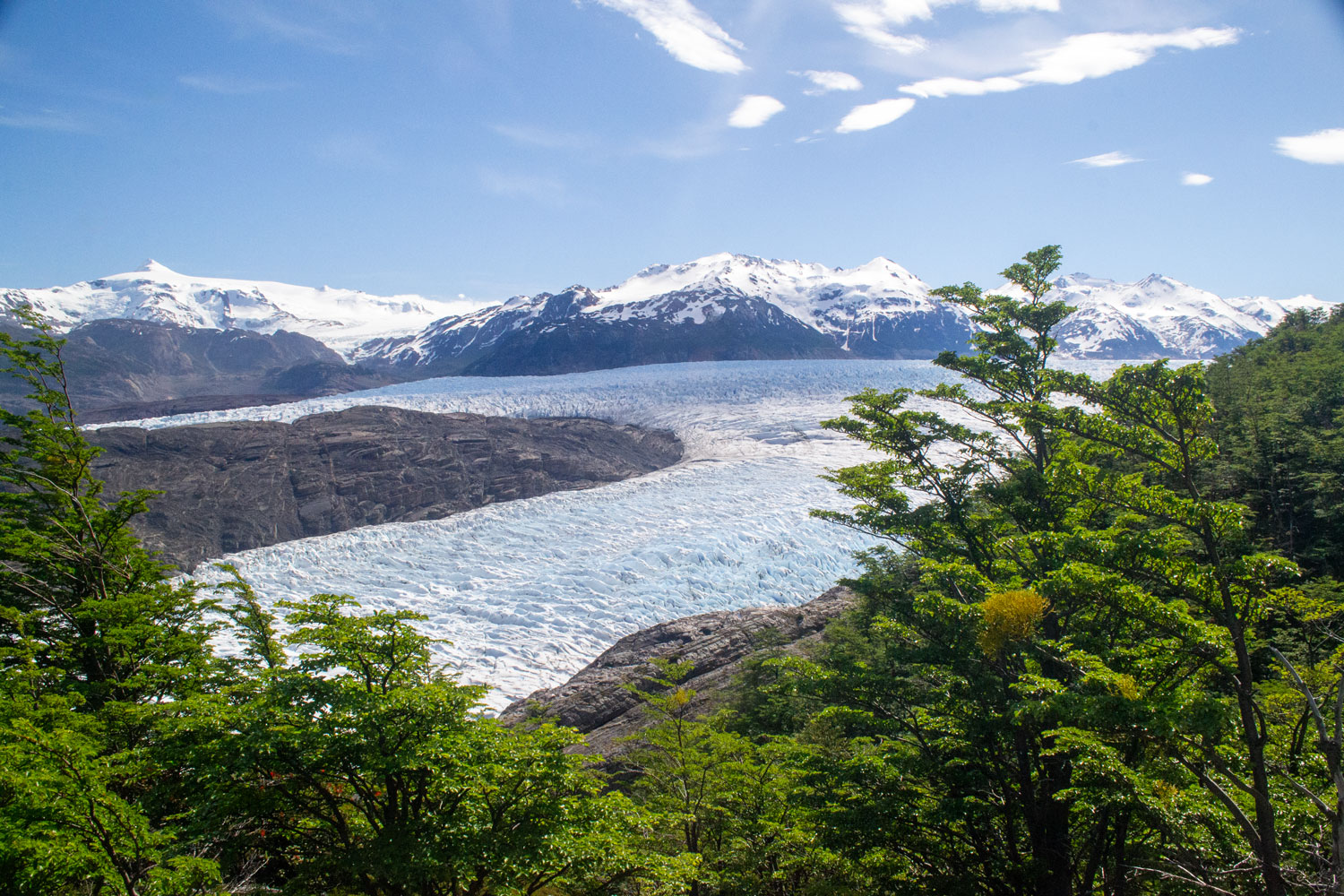
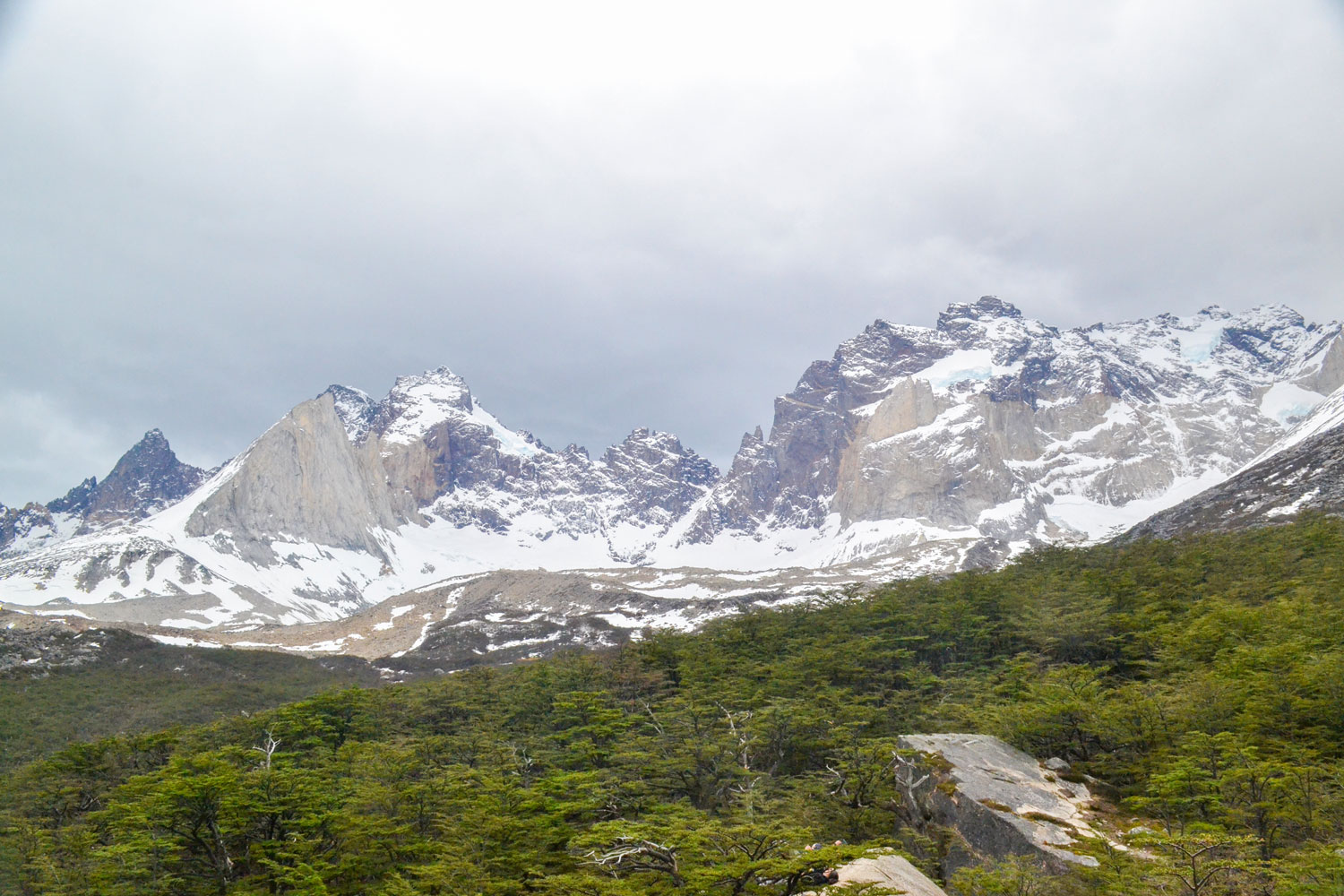
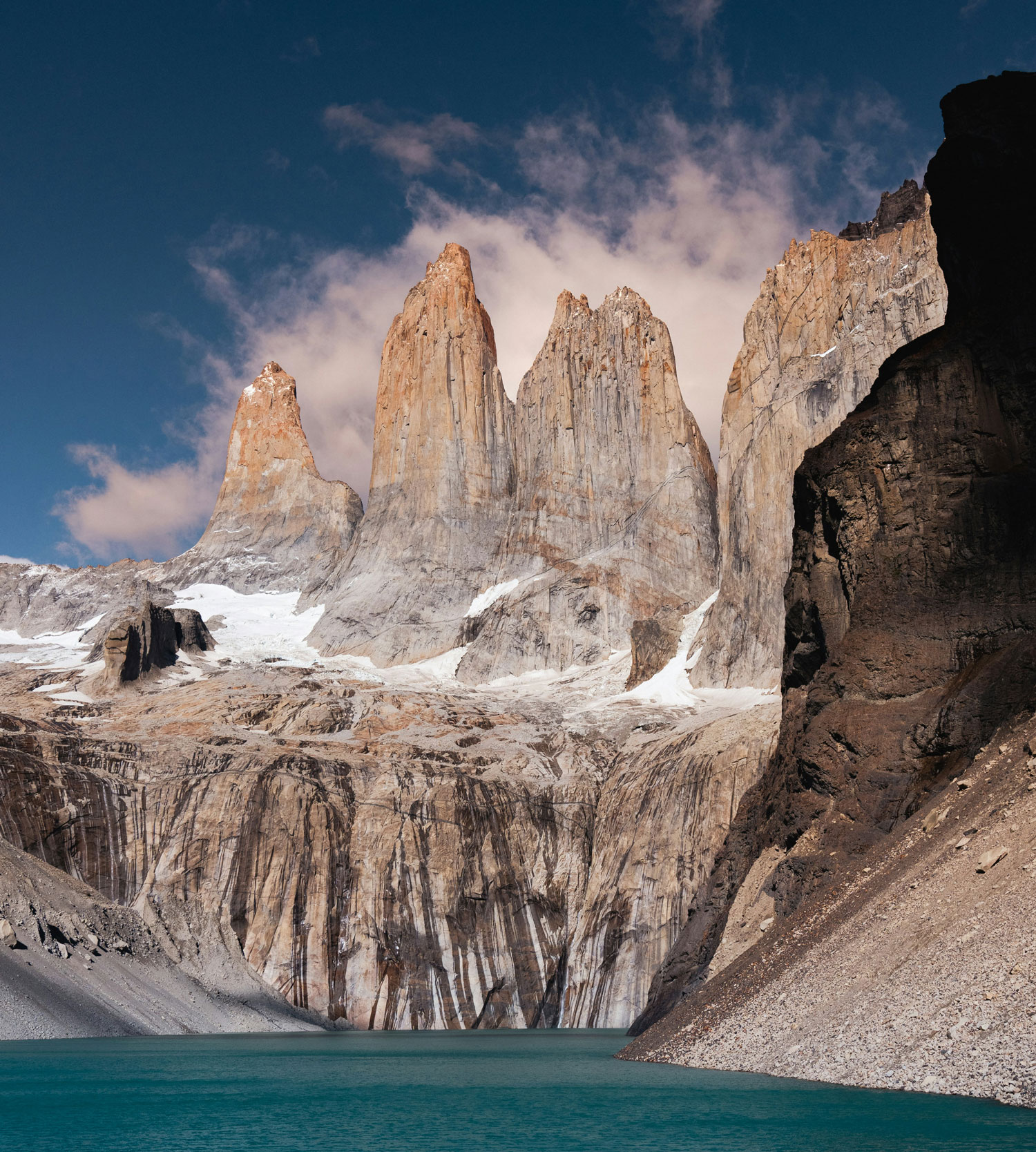
You come for Torres del Paine. You stay because the days from here reach the park and also the fjords beyond it: scenic circuits, the Base of the Towers when conditions allow, navigation toward Balmaceda and Serrano from the hotel’s dock. Transfers, park tickets, and which valleys are open change with the season. Check current rules. Do not treat an old itinerary as a promise.
The culture
A Magellanic plant, not a lodge imported from elsewhere
The authority of this stay is industrial and local. Descendants of the early owners tried to recover the site through the 1990s; the 2011 conversion under Pedro Kovacic kept original wood and added modern walkways in museum zones. You are not sleeping in a fantasy of wilderness pasted onto a spa. You are sleeping inside the building that helped Puerto Natales grow — a working cold store that once sent Magellanic sheep to Europe.
The Singular is a Chilean hotel with a sister property in Santiago. Use that as context, not as a name-drop. The exclusive thing is simpler: a front row on Last Hope Sound that most Torres del Paine circuits never take, because they sleep in town or race straight to the park gate.
This is not cosmology pasted onto a spa. It is Magallanes, brick, channel water, and a park that is still a working landscape. Guides, not hashtags, are how you get closer.
The light
First light on the massif
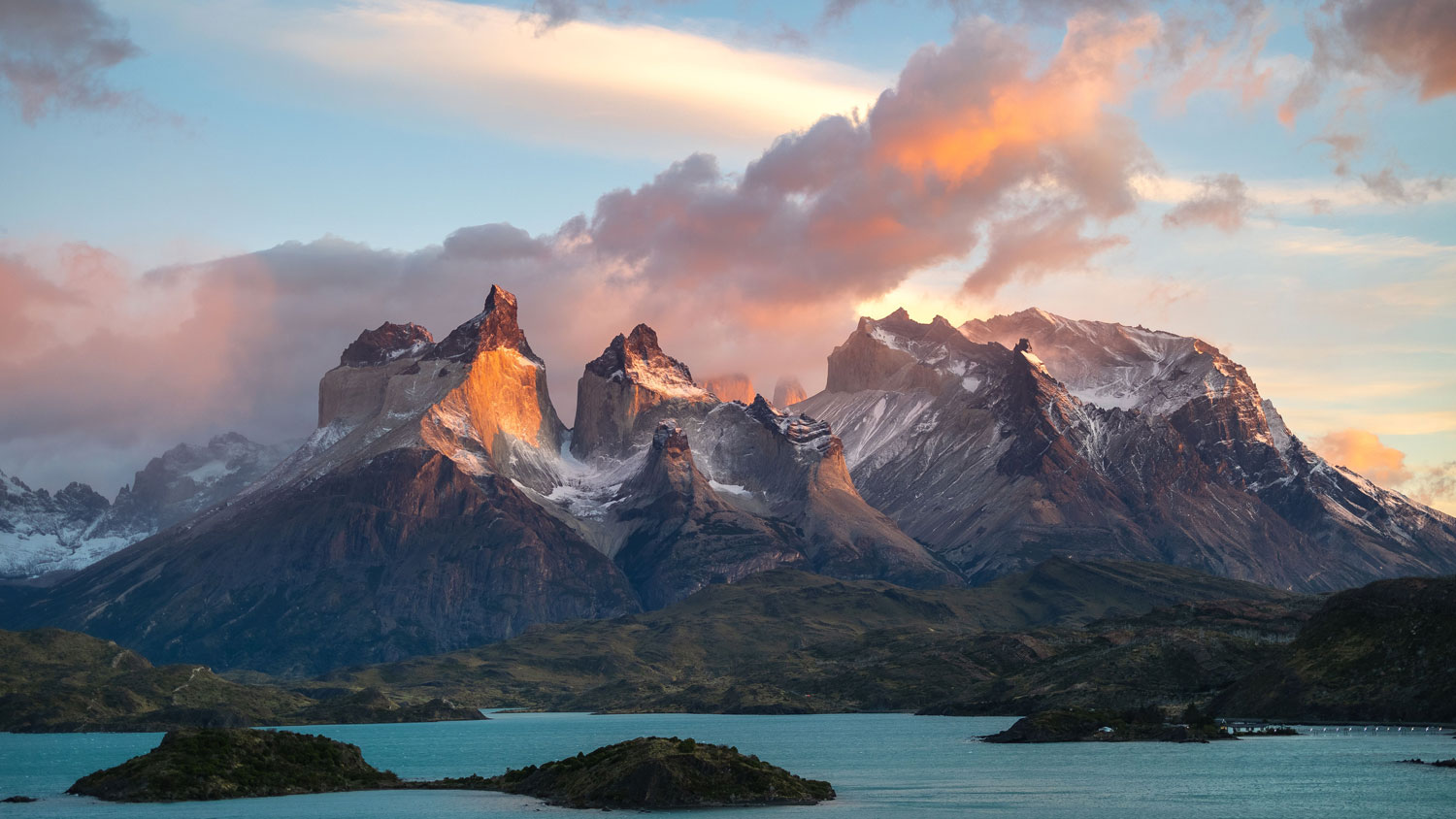
The photograph of the Cuernos is easy. The stay is for the hours when the channel is the only sound against the glass — and for the walk past the boilers on the way to dinner.
When to go
What to look for, season by season
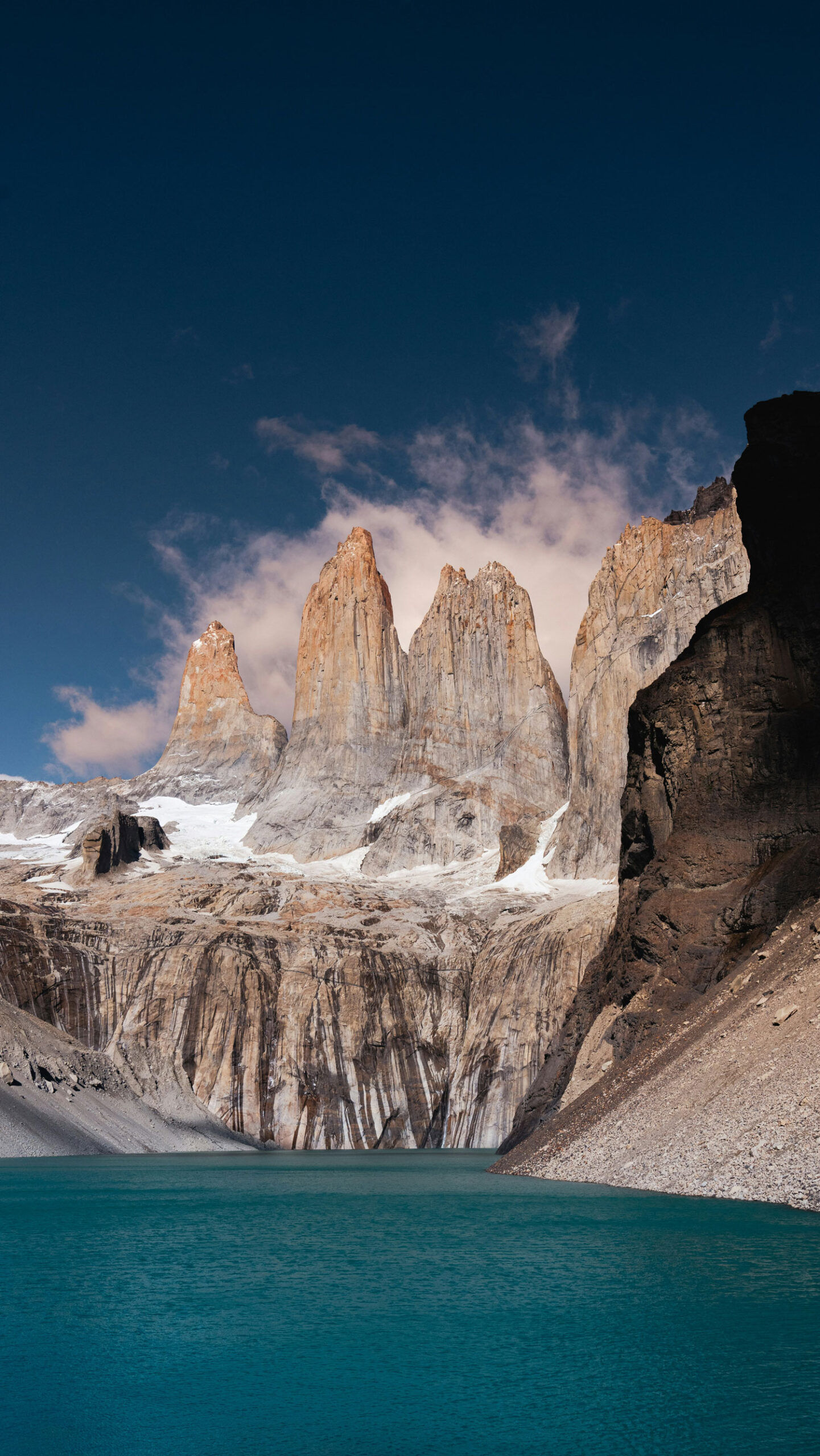
Clean park views: clear air after wind.
Shoulder quiet: shoulder months, check park hours.
Ice: Glacier Grey or fjord navigation rules that week.
Wildlife: dawn on the steppe, distance from guanaco.
Photography: Cuernos and lakes, stay off closed roads.
Wind and the park office still decide the day. So can the channel.
The form
What you notice from Puerto Bories
Go if the plant is part of the point
The reason.
Visit The Singular Patagonia if you want Torres del Paine to remain large and still care how Magallanes worked before the park became a poster. The hotel is interesting because it refused to erase the frigorífico. Days here only work if you go out: a valley, a glacier face, a boat on the sound, then back into brick and quiet.
Skip it if you need a lodge that feels hours from any town. This one is five minutes from Puerto Natales. The remoteness is in the plant’s past and in the park you reach from it, not in the driveway.
Puerto Natales is the last town. Punta Arenas is the usual international airport; Puerto Natales (PNT) is closer when flights run. The last kilometres are channel road and weather. Arrive with time. Leave with the same.
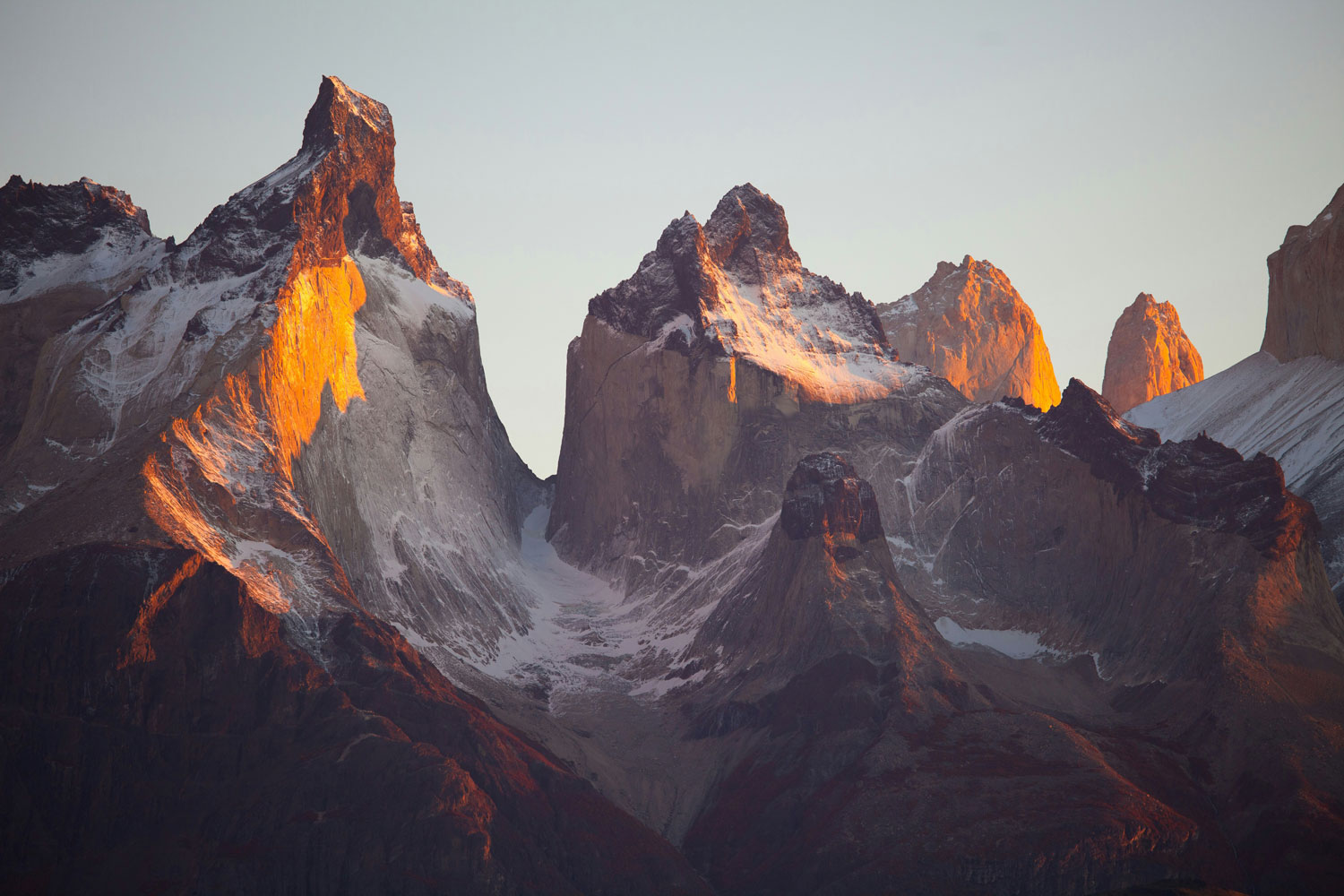
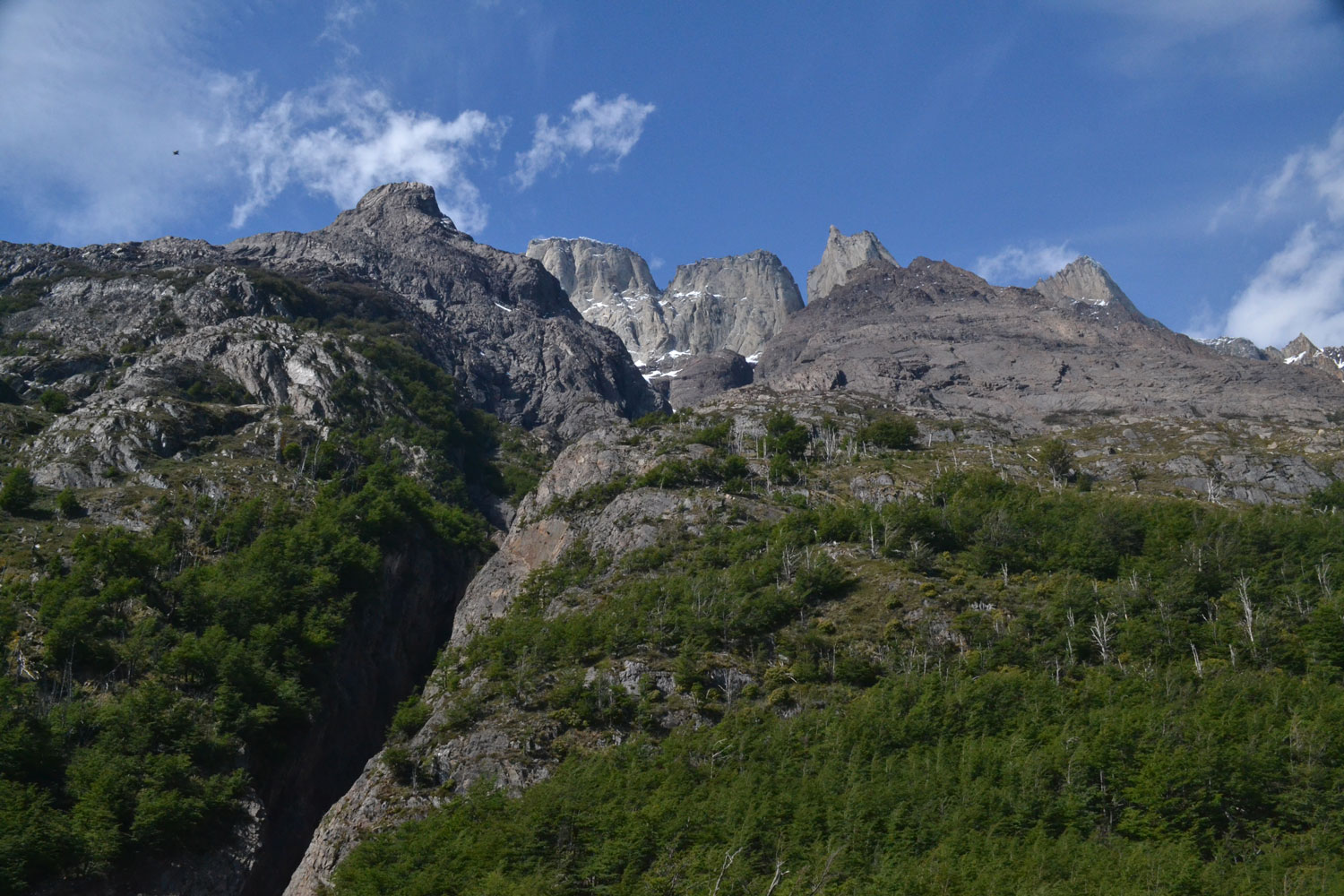
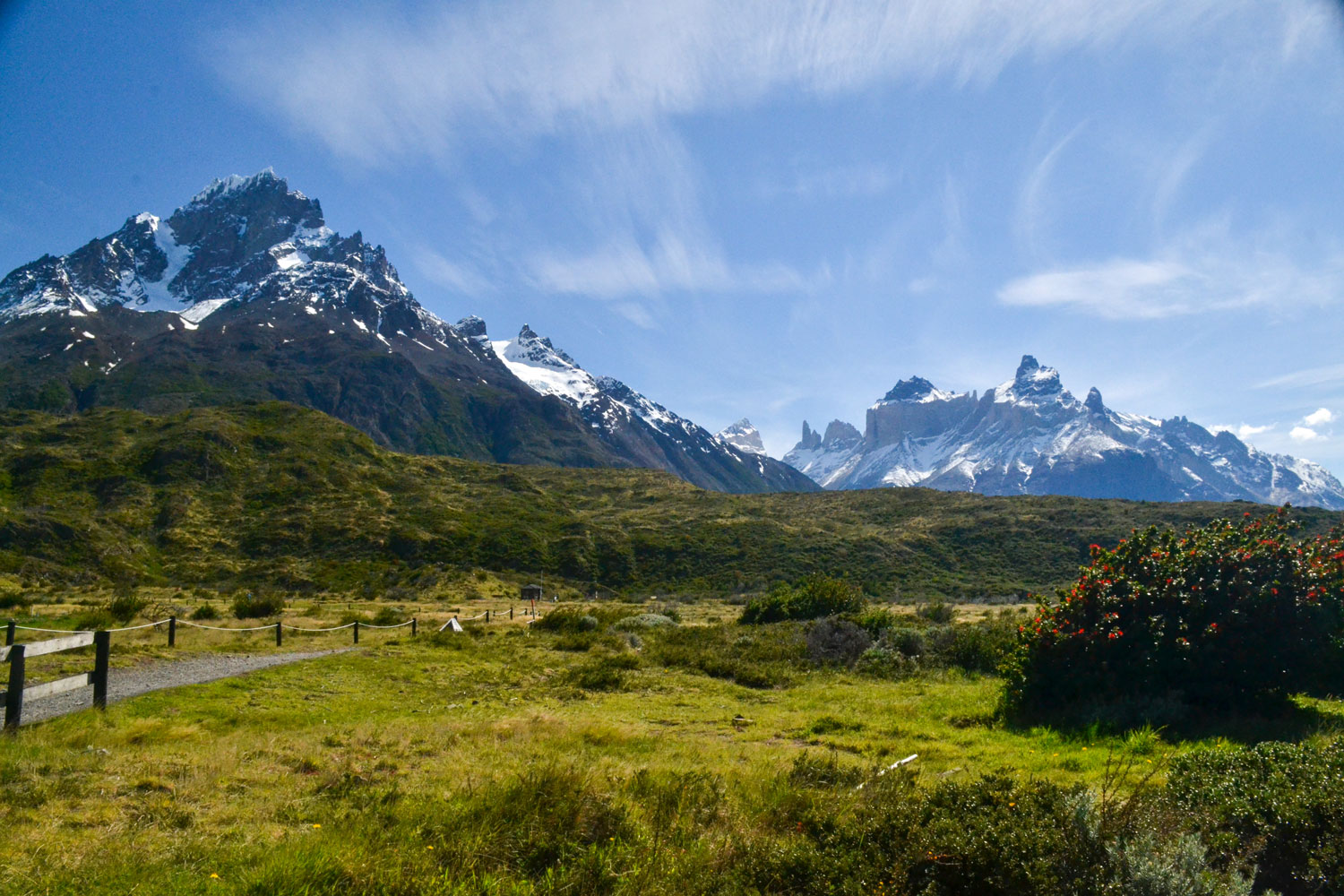
Photographs on this page are Remote Frontiers destination landscapes of Chilean Patagonia, not interiors of the hotel.