
The stay
Why this lodge, for this traveller
Remote Frontiers is not looking for a nicer room near a park gate. It is looking for stays that take the landscape seriously enough to get out of its way.
Tierra Patagonia does that. It sits on the shore of Lake Sarmiento, at the northern edge of Torres del Paine National Park, in a building that was drawn from the wind rather than dropped onto the view. Chilean architect Cazú Zegers, with Rodrigo Ferrer and Roberto Benavente, finished it in 2011. The Paine massif stays the subject. The lodge is the pause.
If you travel to go into a place, not to collect a spa list at the end of the earth, this is the argument.
The place
A long building on a very large lake
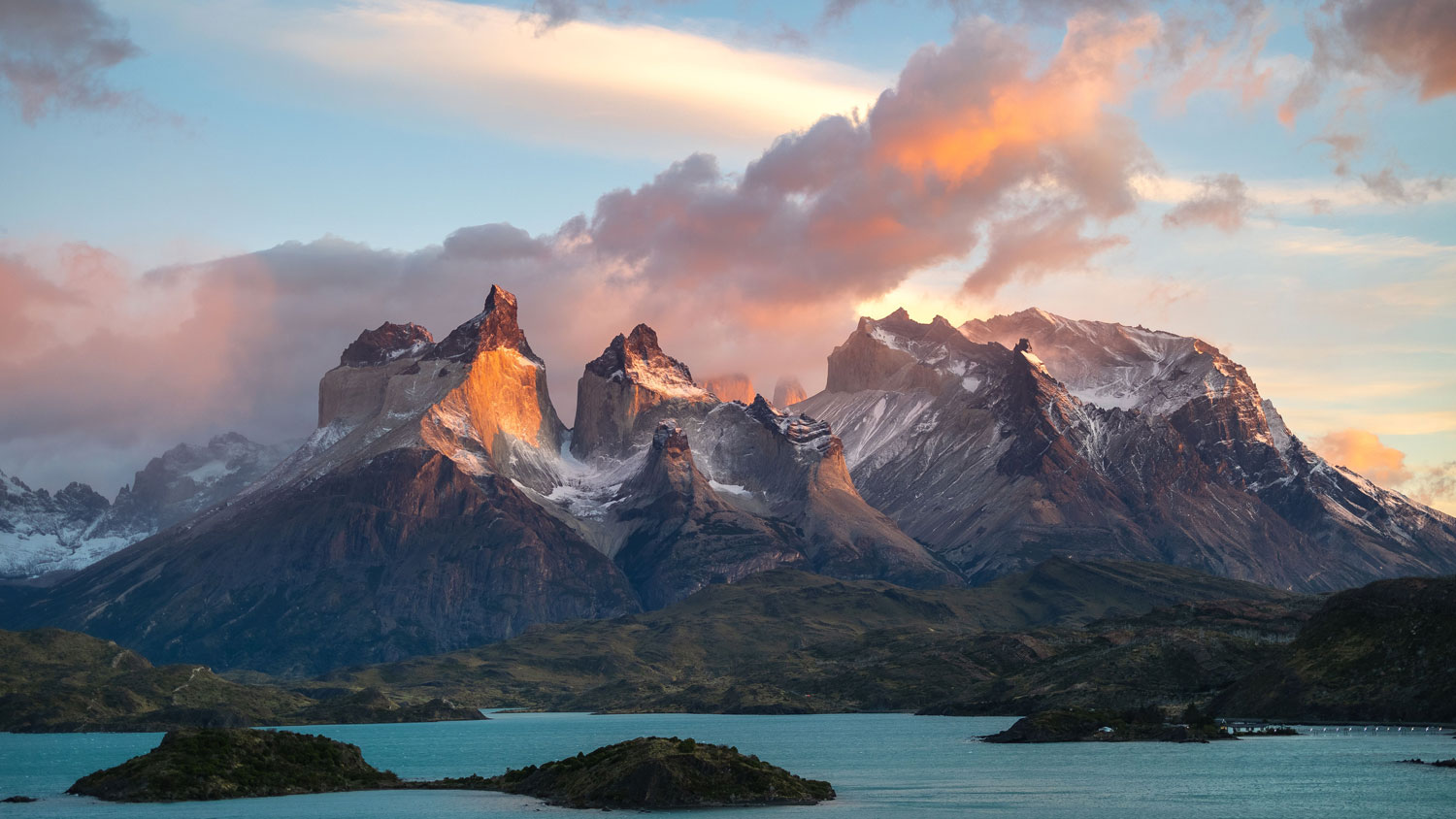
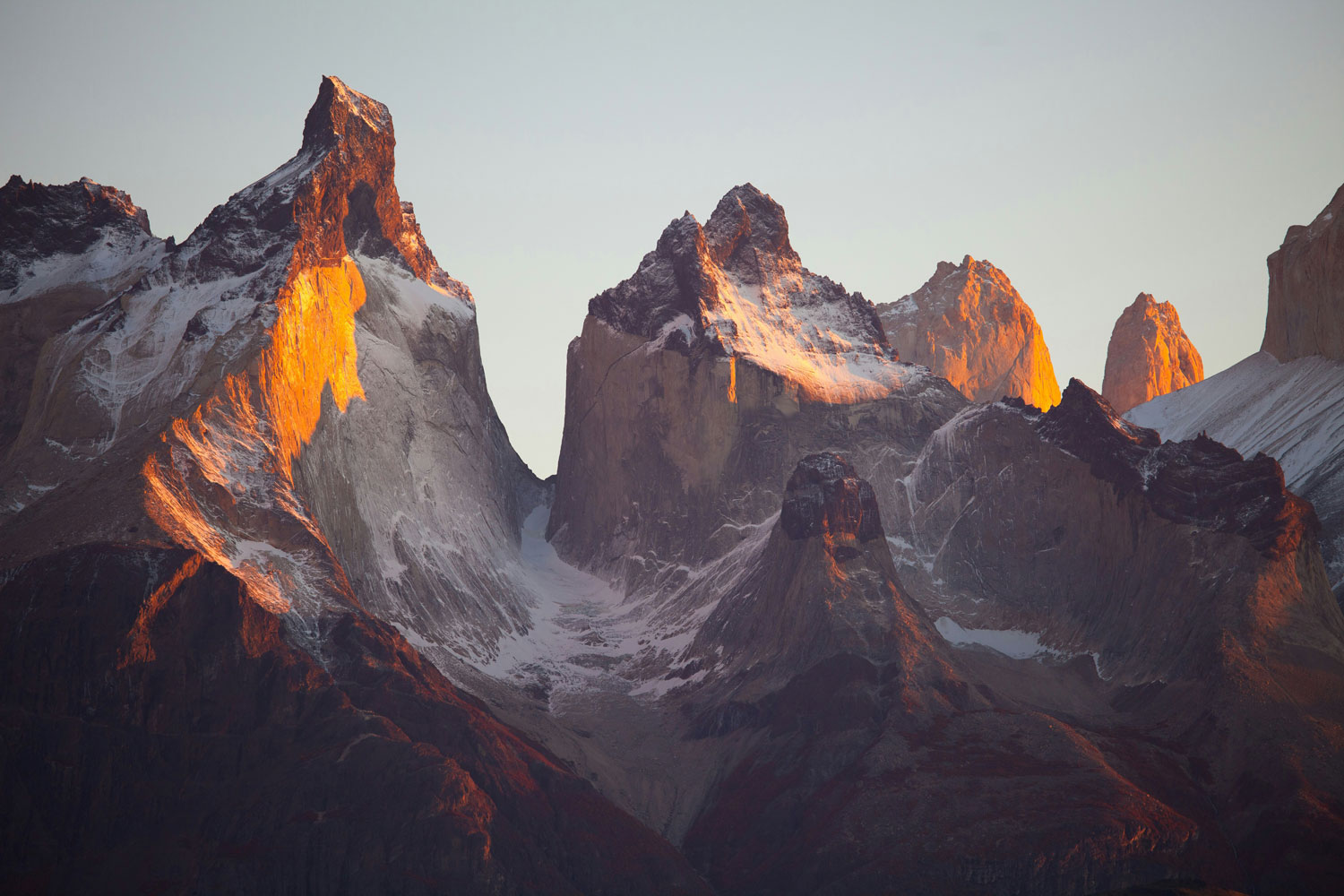
Lake Sarmiento is one of the park boundaries. From here the Towers and the Cuernos sit across water, not across a parking lot. The hotel is a low, serpentine form in lenga wood and concrete, about 4,900 square metres on a 70-hectare site. Forty rooms look out. The marketing word is luxury. The more useful word is shelter: a second skin, as Zegers put it, so you can feel the force of the place without pretending you can live in it unprotected.
Keep reading if you care how a Chilean building learned to lie down in this wind, and what that does to a stay in Torres del Paine.
The form
What you are actually looking at
The gesture came first. Zegers works by drawing what the territory is already doing. Here the wind is not a nuisance. It is the line. The finished building is meant to read as an old fossil, a prehistoric animal stranded on the lake shore — an image she has used on purpose, not a metaphor added later by a brochure.
Lenga, the southern beech of these forests, clads the work. Vegetation on the footprint was lifted, held in a greenhouse, and put back so the architecture could be covered again. That is not a footnote. It is how the project wanted to touch the ground.
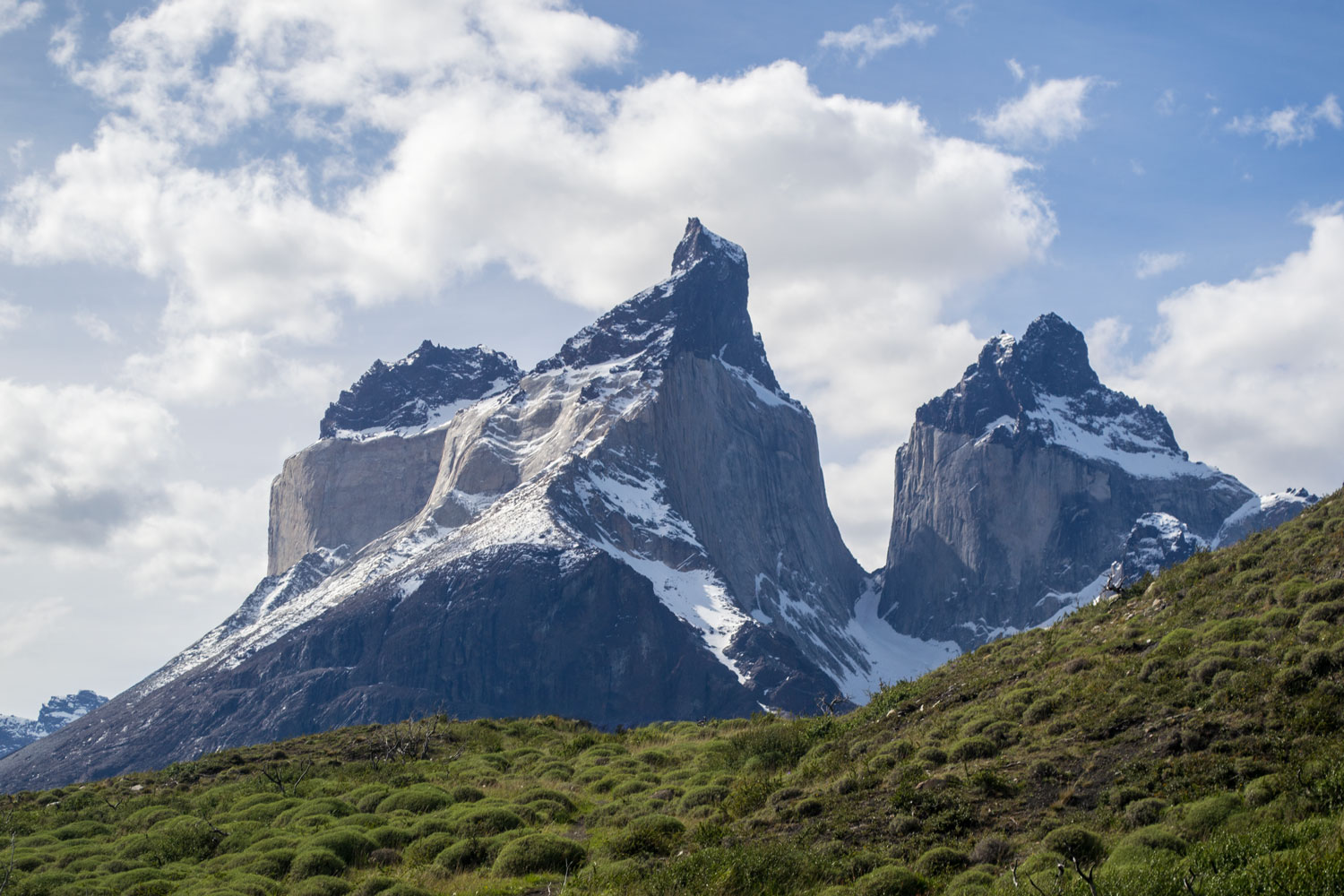
You come for the massif. You stay because the rooms face it, and because the days from here are built around the four distinct faces of the park: granite, ice, steppe, water. Transfers, park tickets, and which valleys are open change with the season. Check current rules. Do not treat an old itinerary as a promise.
The culture
A Chilean building, not a lodge imported from elsewhere
Zegers calls the stance light and precarious: inhabit without competing with the monument. In front of Torres del Paine, ego is the wrong material. The authority of this stay is architectural and Chilean. The architecture press already knows the building. That is social currency you do not have to invent. You are sleeping inside a drawing that started as wind.
Tierra is a Chilean family of lodges (Patagonia, Atacama, Chiloé), later tied to the Baillie Lodges collection. Use that as context, not as a name-drop. The exclusive thing is simpler: a front row on Lake Sarmiento that most Torres del Paine circuits never take, because they are busy walking the W.
This is not cosmology pasted onto a spa. It is Magallanes, wind, lenga, and a park that is still a working landscape. Guides, not hashtags, are how you get closer.
The light
First light on the massif
The photograph of the Cuernos is easy. The stay is for the hours when the wind is the only sound against the glass.
When to go
What to look for, season by season
Clean view of the massif: clear air after wind.
Shoulder quiet: shoulder months, check park hours.
Ice: Glacier Grey boat or walk rules that week.
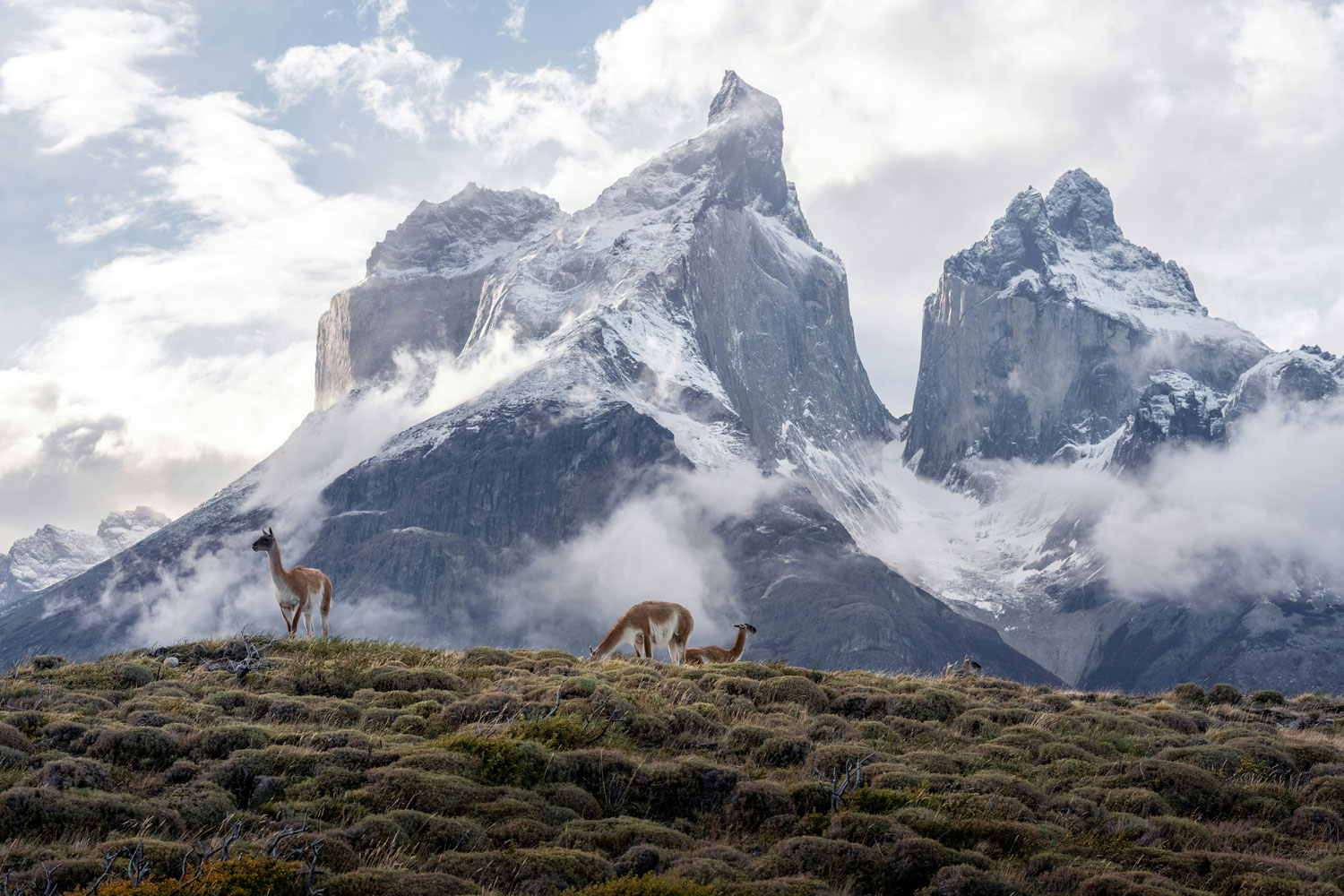
Wildlife: dawn on the steppe, distance from guanaco.
Photography: Cuernos across water, stay off closed roads.
Wind still decides the day. So does the park office.
The form
What you notice from Lake Sarmiento
Go if the park is the point
The reason.
Visit Tierra Patagonia if you want Torres del Paine to remain large. The lodge is interesting because it refused to stand up in front of the Towers. Days here only work if you go out: the lake, a valley, a glacier face, then back into wood and quiet.
Skip it if you want a hotel that performs luxury at the landscape. This one performs attention.
Puerto Natales is the usual last town. Punta Arenas is the usual airport. The last hour is park road and weather. Arrive with time. Leave with the same.