
Sunrise landscape
The hour the island lines up
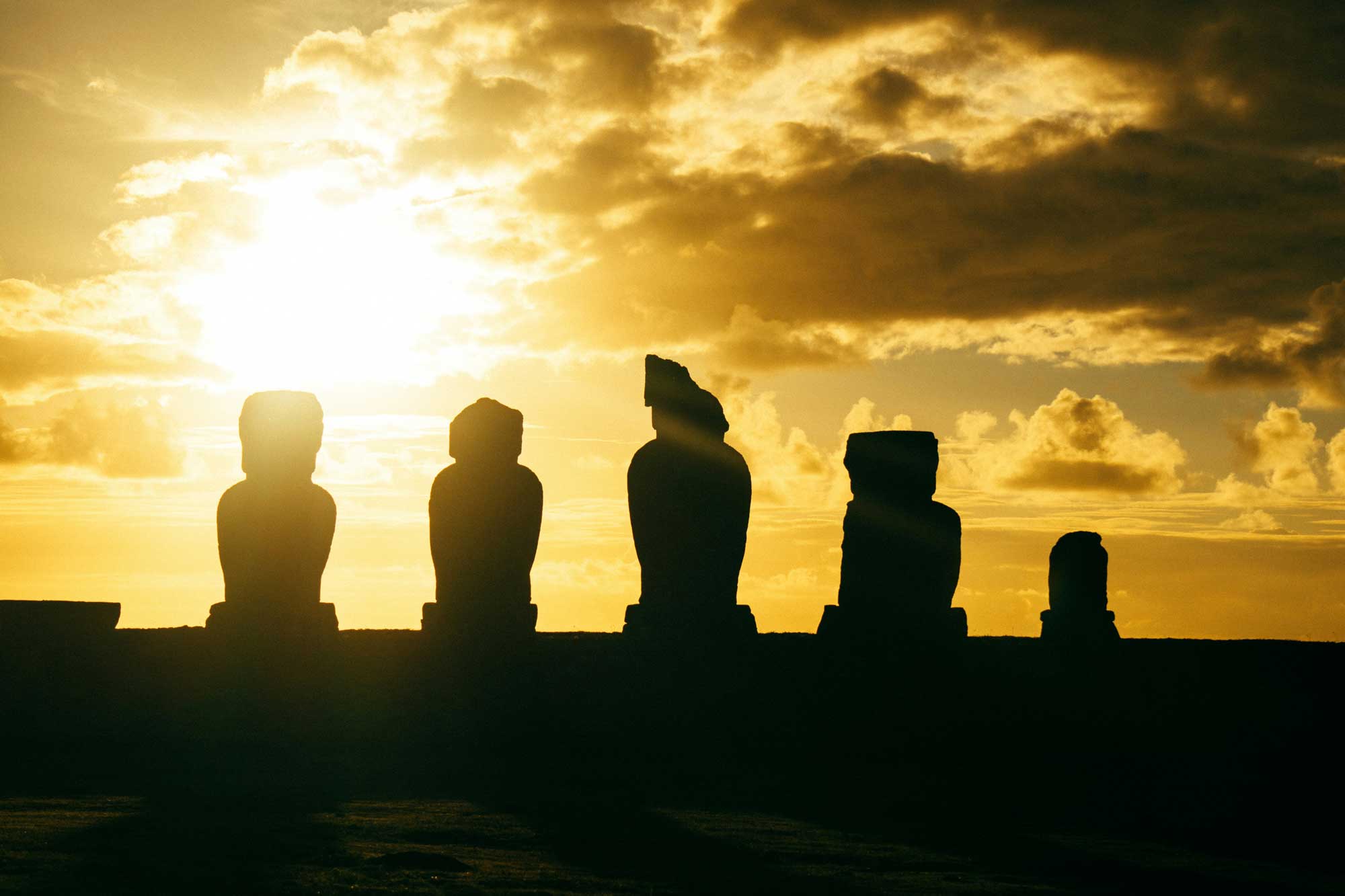
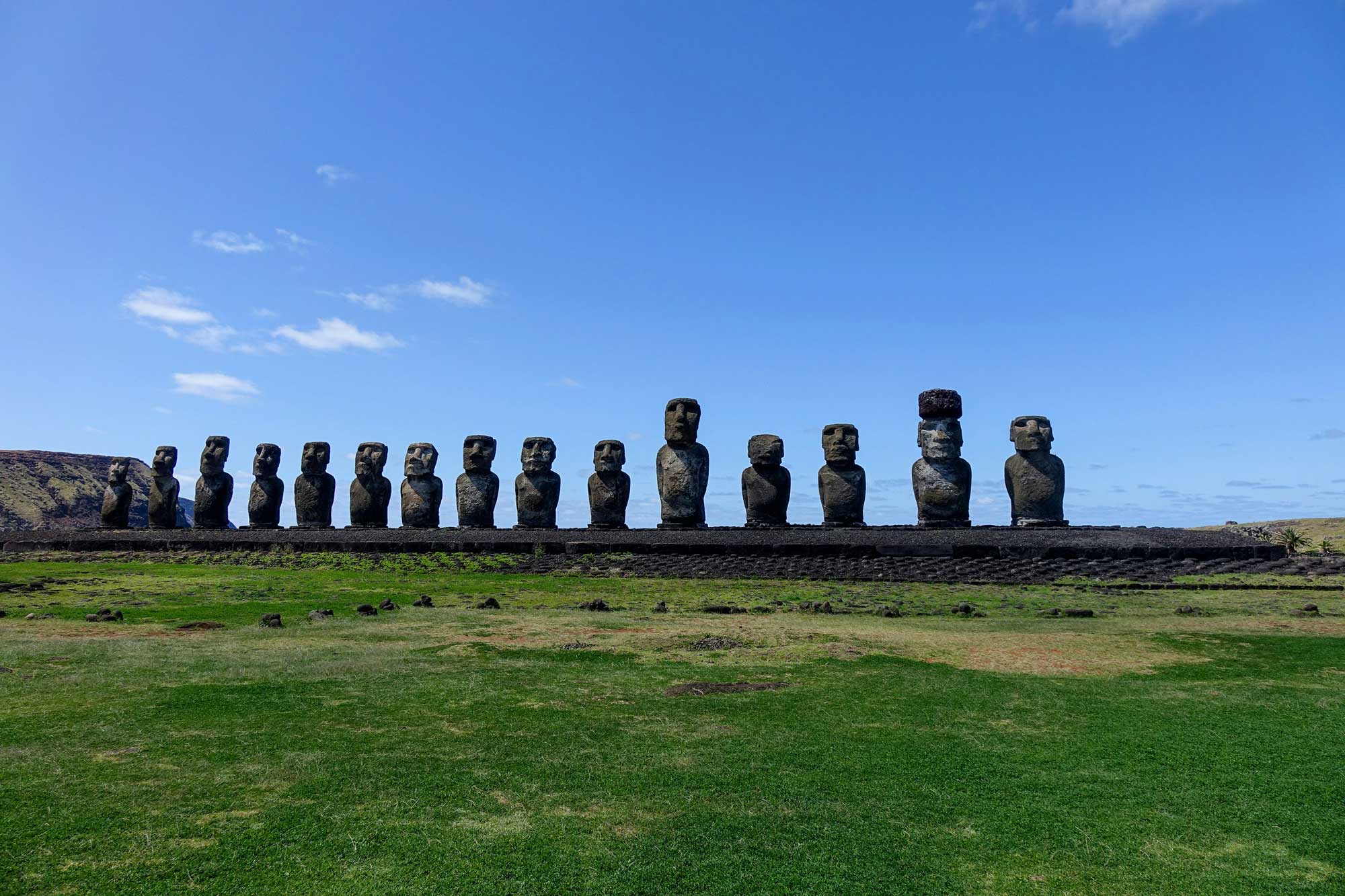
Most people meet Easter Island through a single image: a row of stone figures, sky, ocean. Ahu Tongariki is that image. It is also a real platform on the south-east coast, rebuilt after a 1960 tsunami, with fifteen moai looking inland toward Rano Raraku, the quarry where they were carved. Sunrise is when the place makes sense. The light comes from the sea. The faces pick up colour. You are not collecting a statue. You are standing at the edge of a ceremonial landscape that still belongs to the people who live here.
Conditions
Why Tongariki, not a loop of all the moai
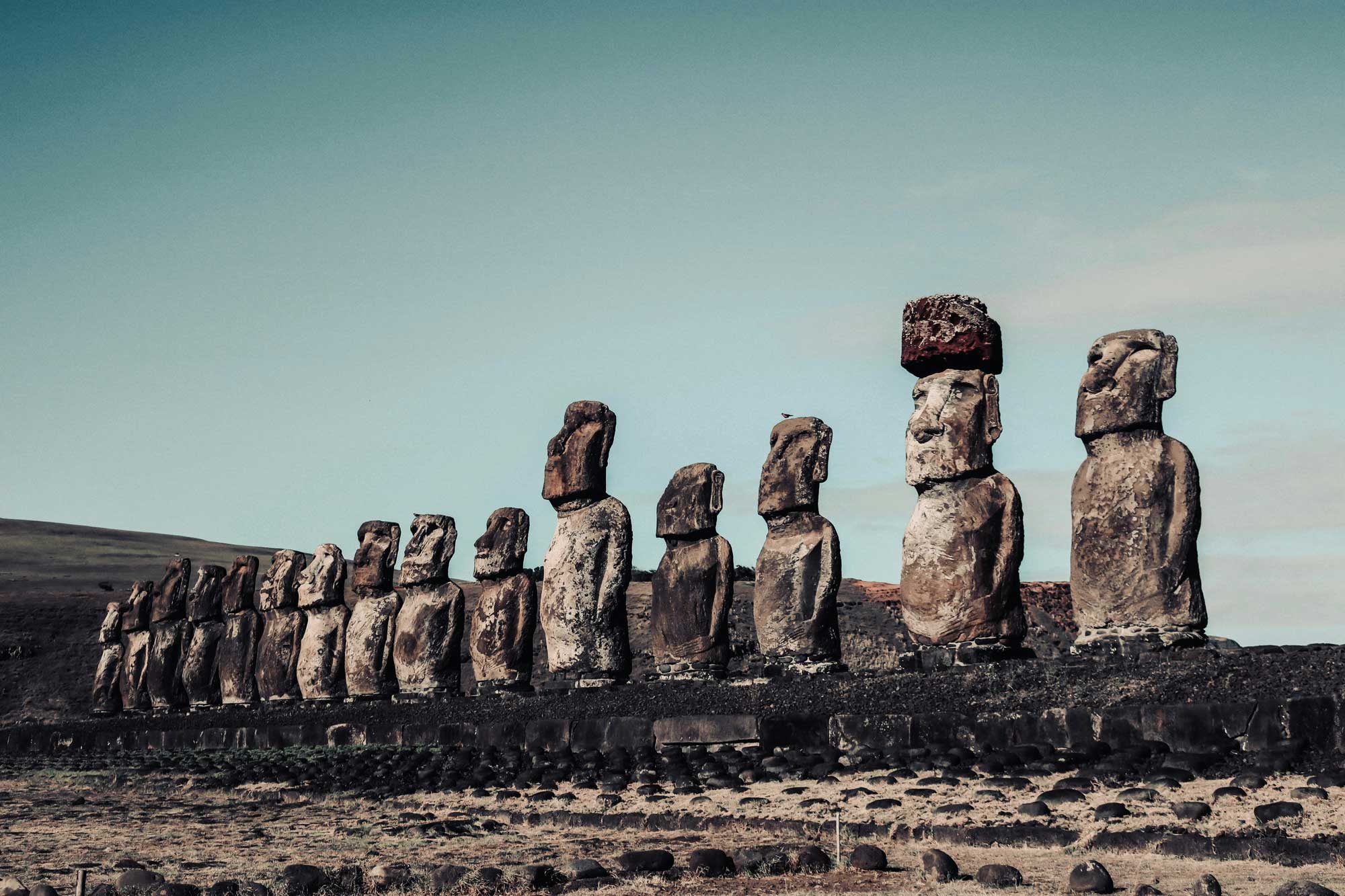
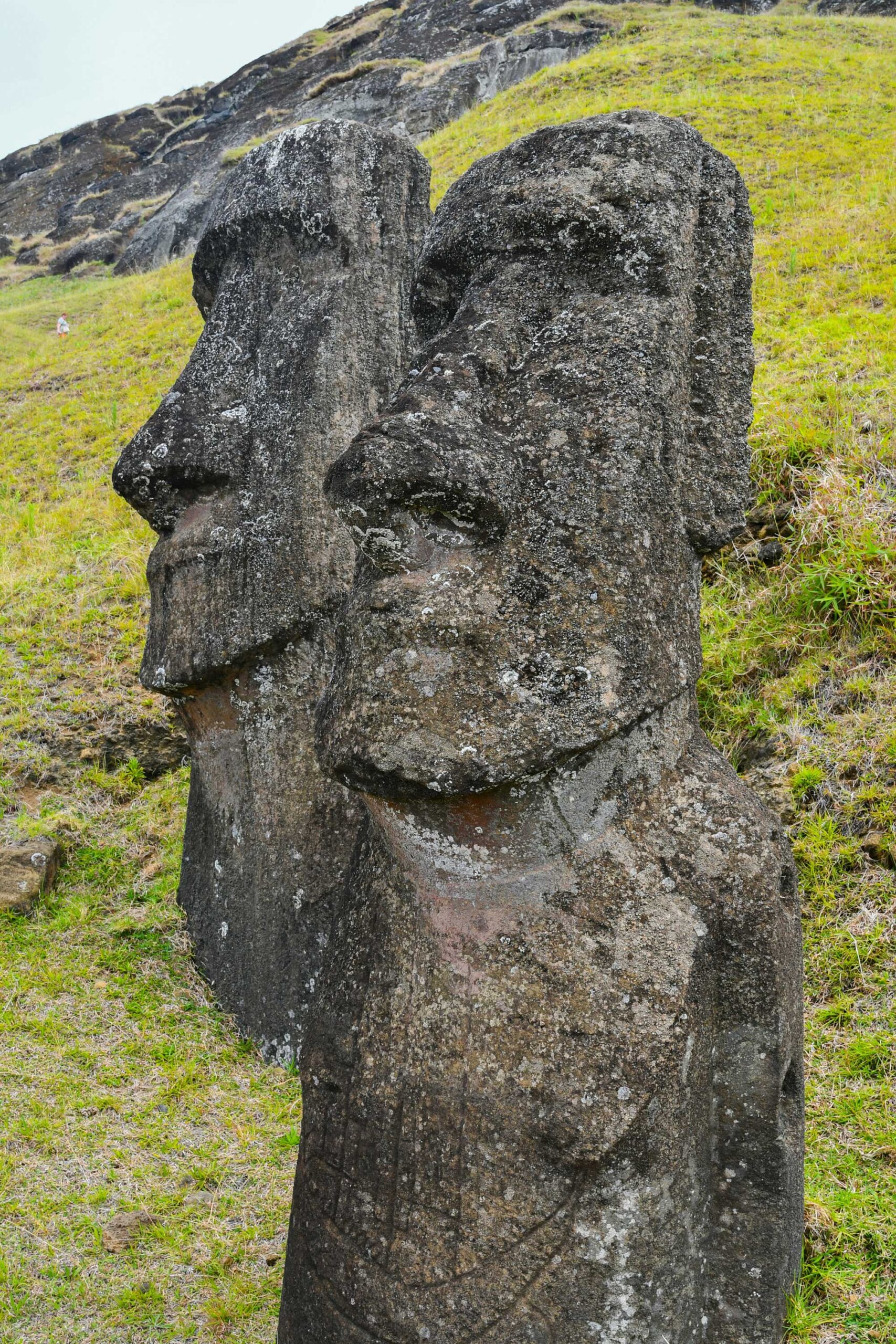
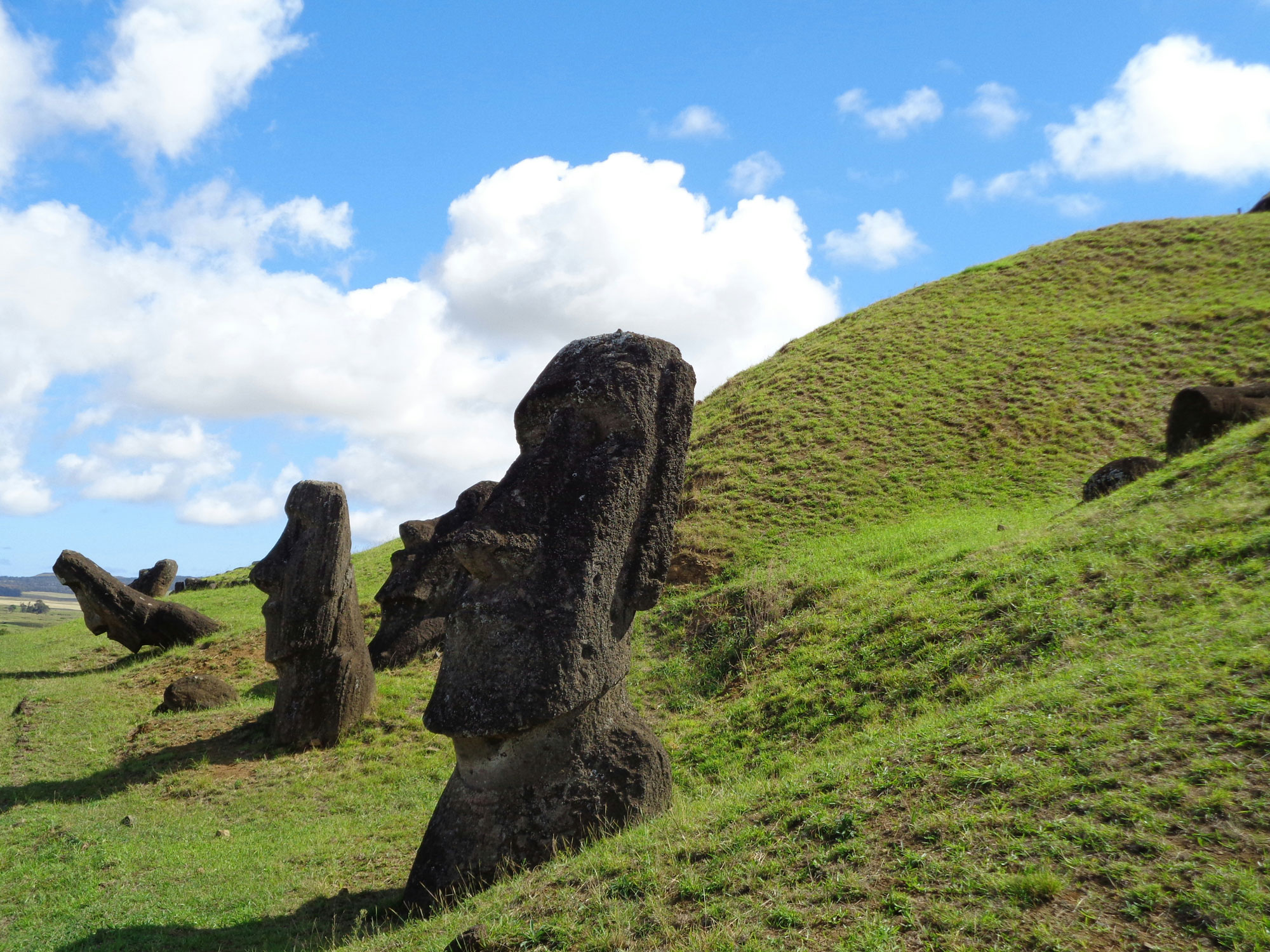
Rapa Nui is small enough that it is tempting to treat it as a circuit. That pace turns living sites into a gallery. Tongariki rewards staying. Count the figures. Notice which have pukao (the red scoria topknots). Look at the ocean that took the ahu apart in 1960 and at the rebuilt line that stands now. Then look inland to Rano Raraku, where unfinished moai still rest in the tuff. The story is not mystery. It is engineering, belief, collapse, recovery, and a community that is still here.
Logistics
Getting there from Hanga Roa
Almost everyone stays in Hanga Roa. Tongariki is on the south-east coast, about 30 minutes in the dark for sunrise. It is inside Rapa Nui National Park, administered with the Indigenous Ma’u Henua community. Tickets and access rules change. A licensed local guide is often required. Check current conditions rather than an old blog. Night driving is real: animals, no lighting, wind. Take a layer. The coast is cold at dawn.
Observation
What you notice if you stay
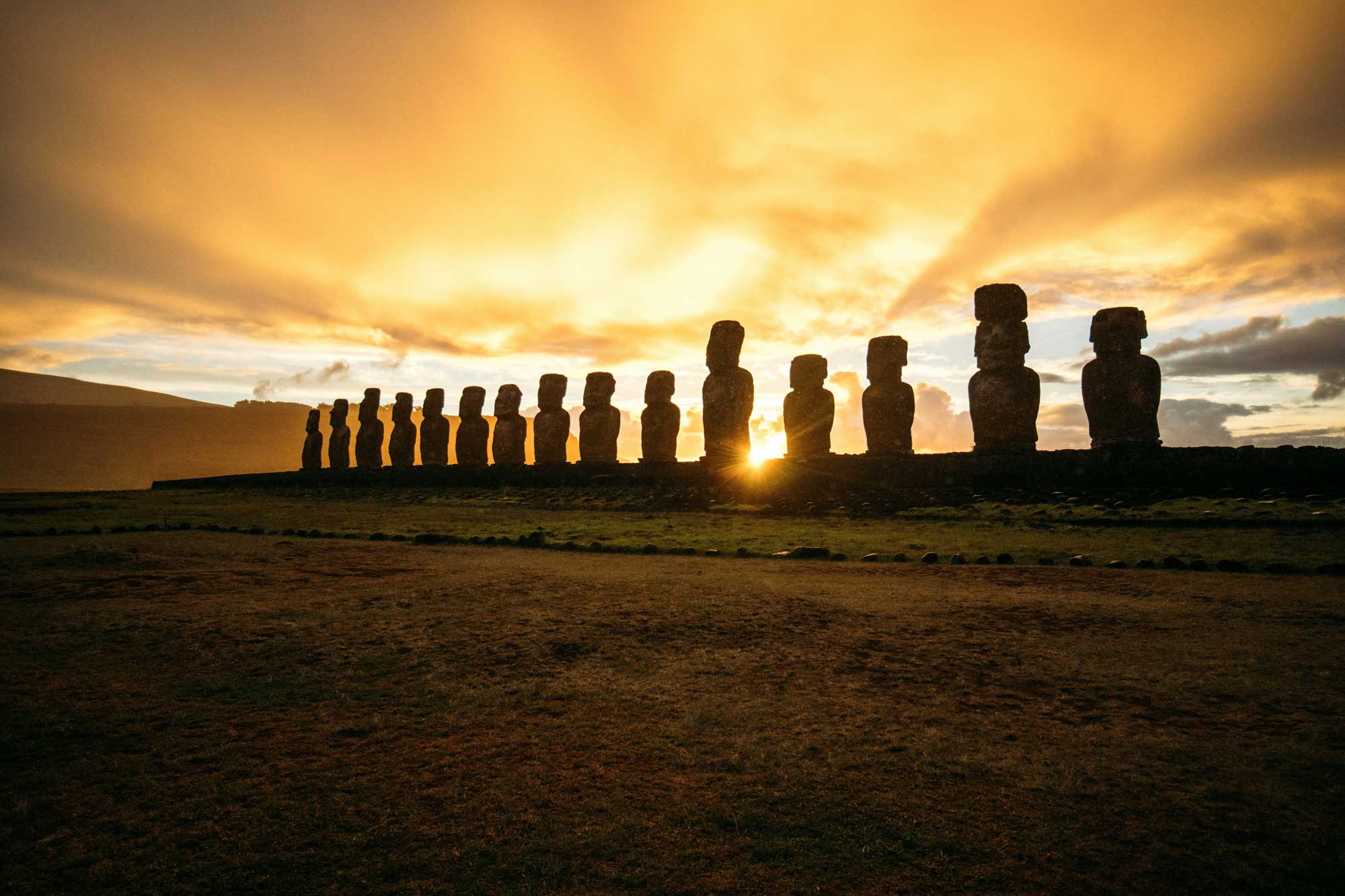
The first minutes are silhouette. Then the stone picks up colour: grey, then ochre, then the red of the pukao if the light is clean. The ocean stays dark longer than the sky. The row of fifteen figures starts to read as individuals, not as one postcard.
The row
Fifteen moai, not identical. Some wear pukao, some do not. Count them. Stay long enough that they stop being a single photograph.
The ahu
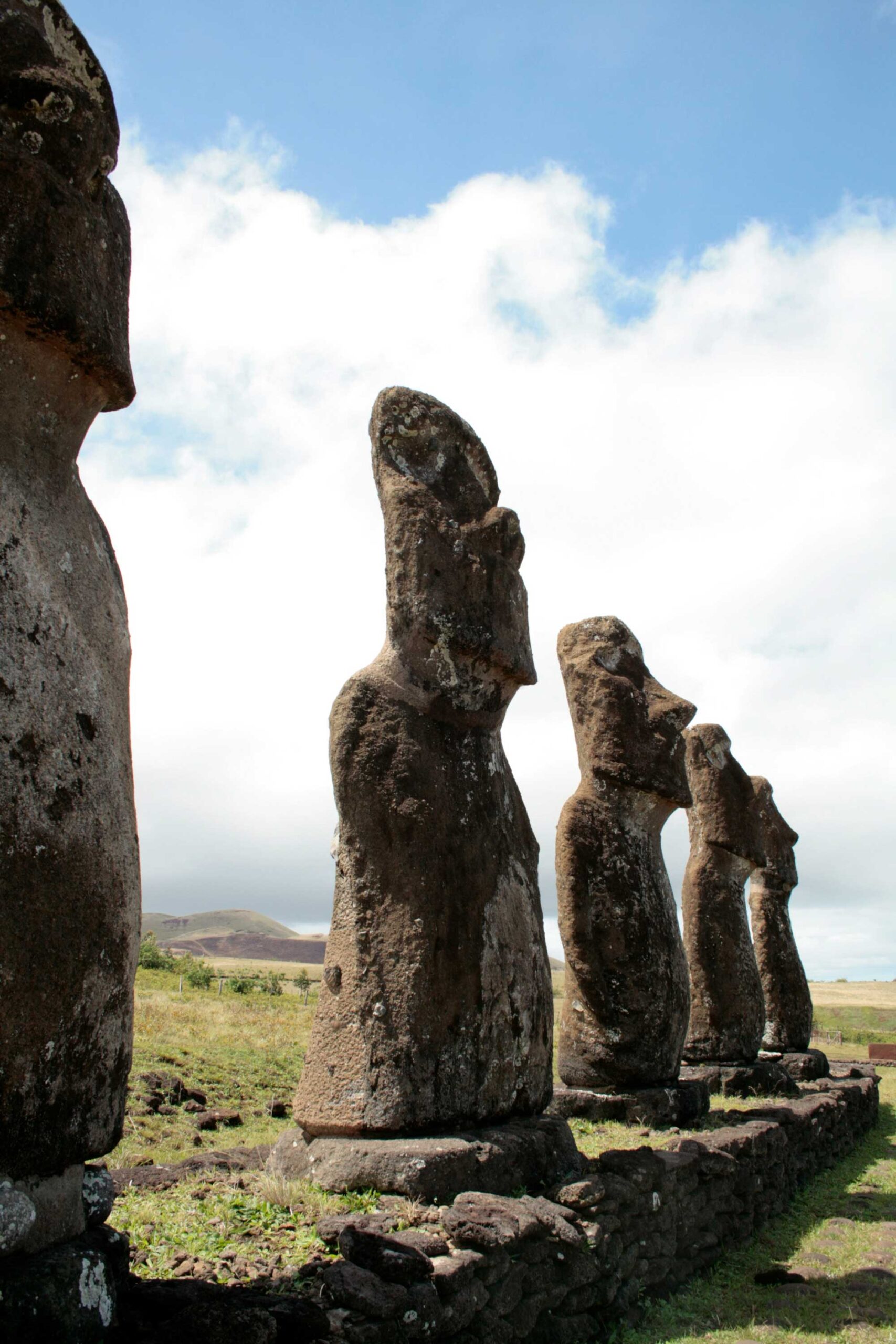
The platform is the architecture. The figures sit on it. They do not float on the grass.
Inland
The faces turn toward Rano Raraku and the community, not out to sea. That orientation is the point of the place.
The weather
Wind off the Pacific. Cold at dawn. The photograph lies about comfort. Take a layer and keep the camera down for a few minutes.
When the light is worth the early start
Sunrise is the point. Arrive in the dark. The useful window is short: from first colour to the hour when the stone goes flat and groups thicken. Late morning is hotter and more crowded. Weather on Rapa Nui is wind and sudden rain, not desert clarity. If the park requires a licensed guide that day, do not improvise.
| Goal | Look for |
|---|---|
| Clean silhouette | Clear eastern horizon |
| Colour on the stone | Low cloud, no rain |
| Fewer people | Weekdays, first light |
| Rano Raraku after | Same morning, later light |
| Orongo later | Afternoon, readable wind |
| Photography | Arrive before first light, stay on the marked viewing area |
Rain still cancels mornings, and wind still decides how long you stay.
Context
What you are looking at
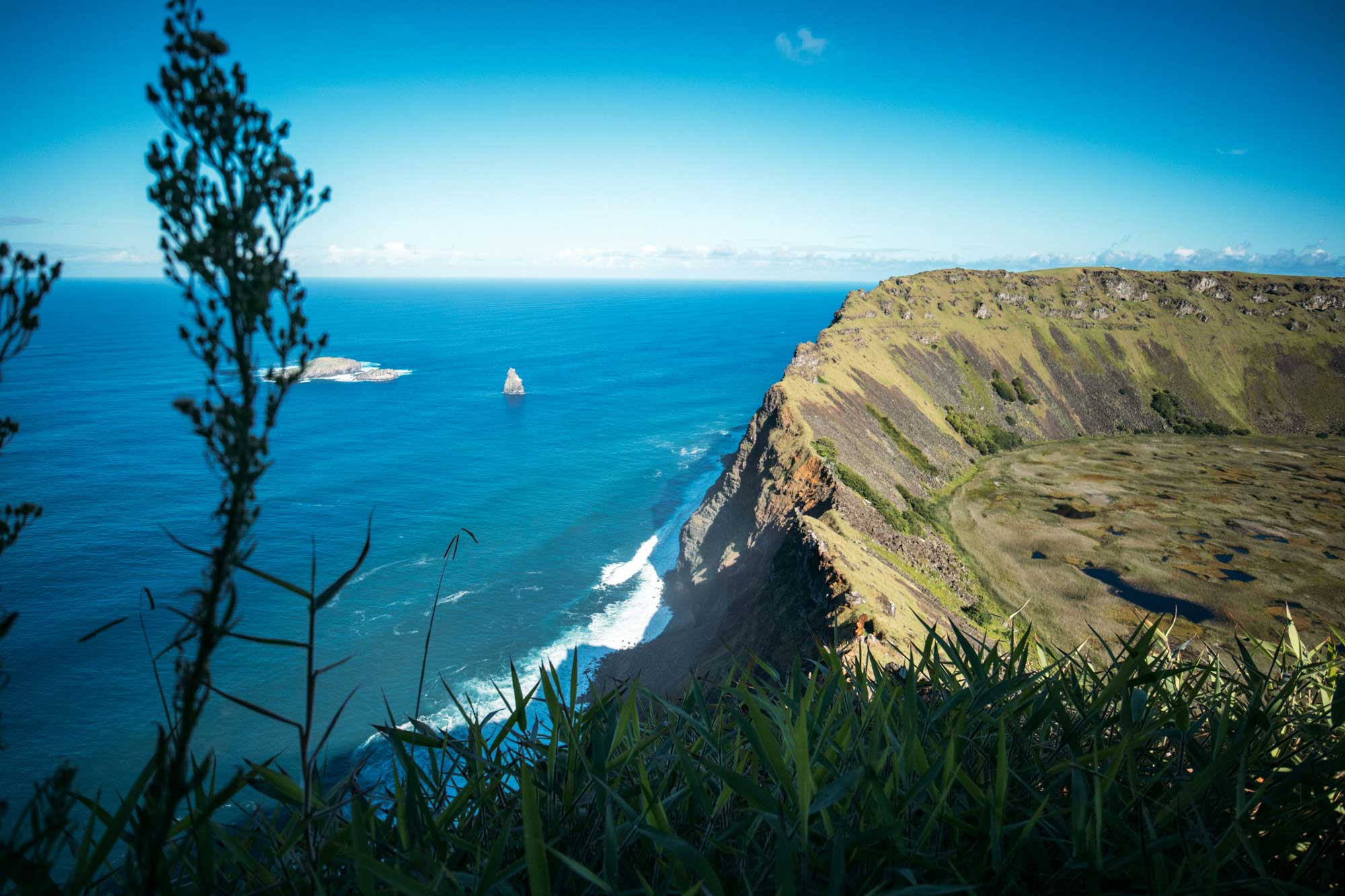
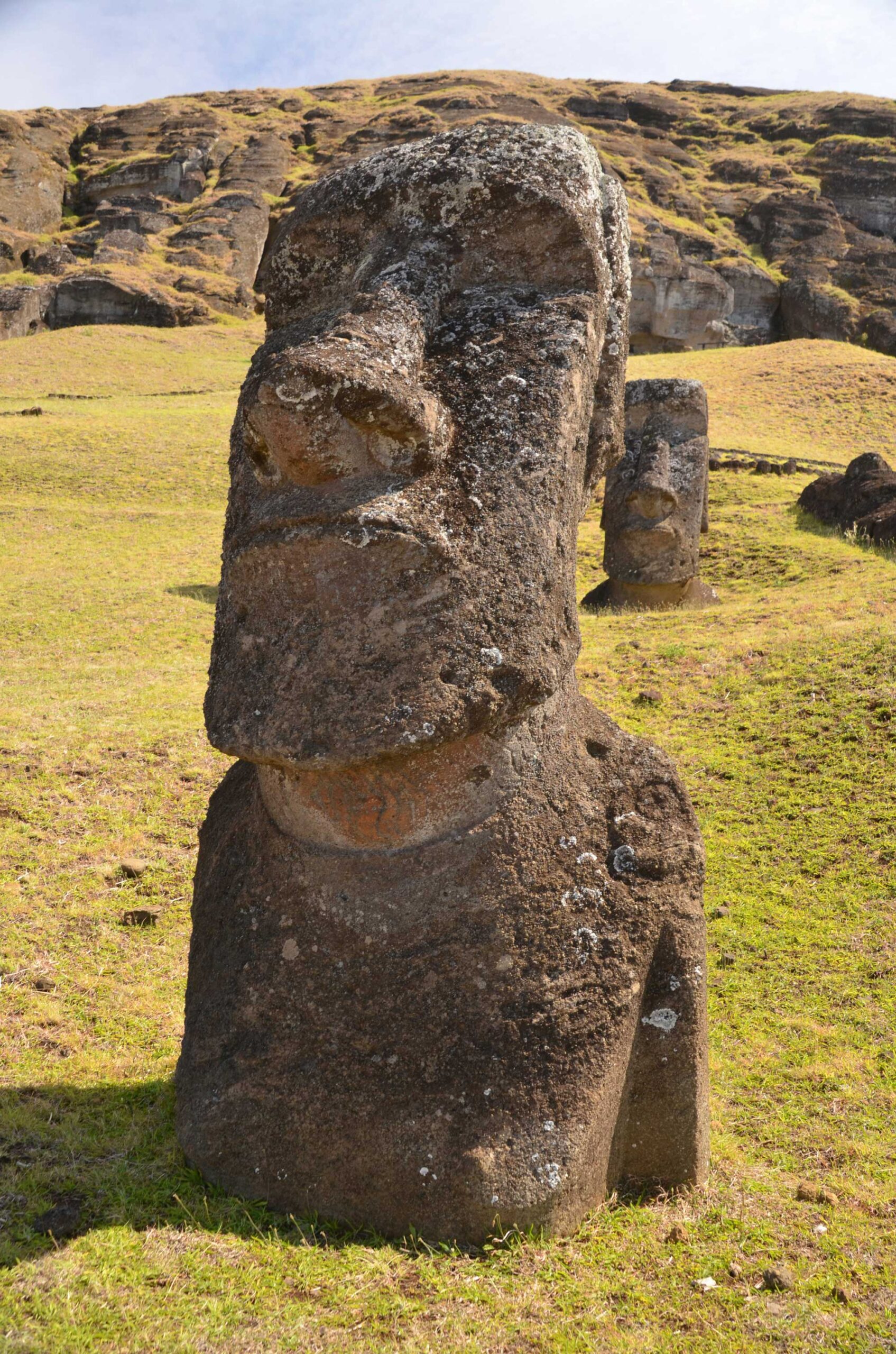
An ahu is a ceremonial platform, not a plinth. The moai face inward, toward the community, not out to sea. Tongariki’s fifteen figures were restored in the 1990s after the tsunami. Restoration is part of the visible story. Rano Raraku is the next chapter: the quarry. If you have time for only two places, Tongariki and Rano Raraku are the pair. Orongo on the rim of Rano Kau is a different register: birdman (tangata manu) houses and the view south to Motu Nui. Save it for later in the day.
Meaning
The name on the ground
Rapa Nui is the name the island uses for itself. Easter Island is the name most travellers arrive with. Moai are ancestors, not decorations. An ahu is a ceremonial platform. The birdman (tangata manu) story belongs at Orongo, not here. Tongariki is one restored ahu on a coast that has been rebuilt, farmed, and lived on. Treat it as a working cultural landscape, not a riddle.
First light is brief
Natural quiet at Tongariki does not last. Buses arrive. The stone goes flat. That short window is why you get up. The photograph is easy. The place takes longer.
Field notes
How to be here
Rapa Nui is not a checklist of famous statues. Ahu Tongariki at sunrise is the clearest way in: fifteen moai, the Pacific behind you, Rano Raraku waiting inland. Go early, go slowly, and let the island be a place rather than a postcard.