
The quarry
Chile · Easter Island
On the hill of Te Miro O'one, Explora Rapa Nui is less a hotel facing the Pacific than a set of wooden volumes that keep the same distance the statues keep.
The stay
Remote Frontiers is not looking for a nicer room in Hanga Roa. It is looking for stays that take the island seriously enough to leave the village and sit in the grassland.
Explora Rapa Nui does that. It sits on Te Miro O’one, about eight kilometres from Hanga Roa, in a building José Cruz Ovalle drew from the moai rather than dropped onto the view. The statues stay the subject. The lodge is the pause.
If you travel to go into a place, not to collect a spa list at the end of the earth, this is the argument.
The place
Rapa Nui is one of the most isolated inhabited islands on earth: some 3,700 kilometres west of South America. From Te Miro O’one the Pacific is the horizon, not a postcard from a town hotel. The lodge is a sequence of volumes in volcanic stone and laminated wood, about 4,600 square metres on a hillside of roughly ten hectares. Thirty rooms look out. The marketing word is luxury. The more useful word is interval: the space between buildings, as Cruz Ovalle put it, the same way the moai are held in relation by the spaces between them.
Keep reading if you care how a Chilean building learned the spacing of the statues, and what that does to a stay on Rapa Nui.
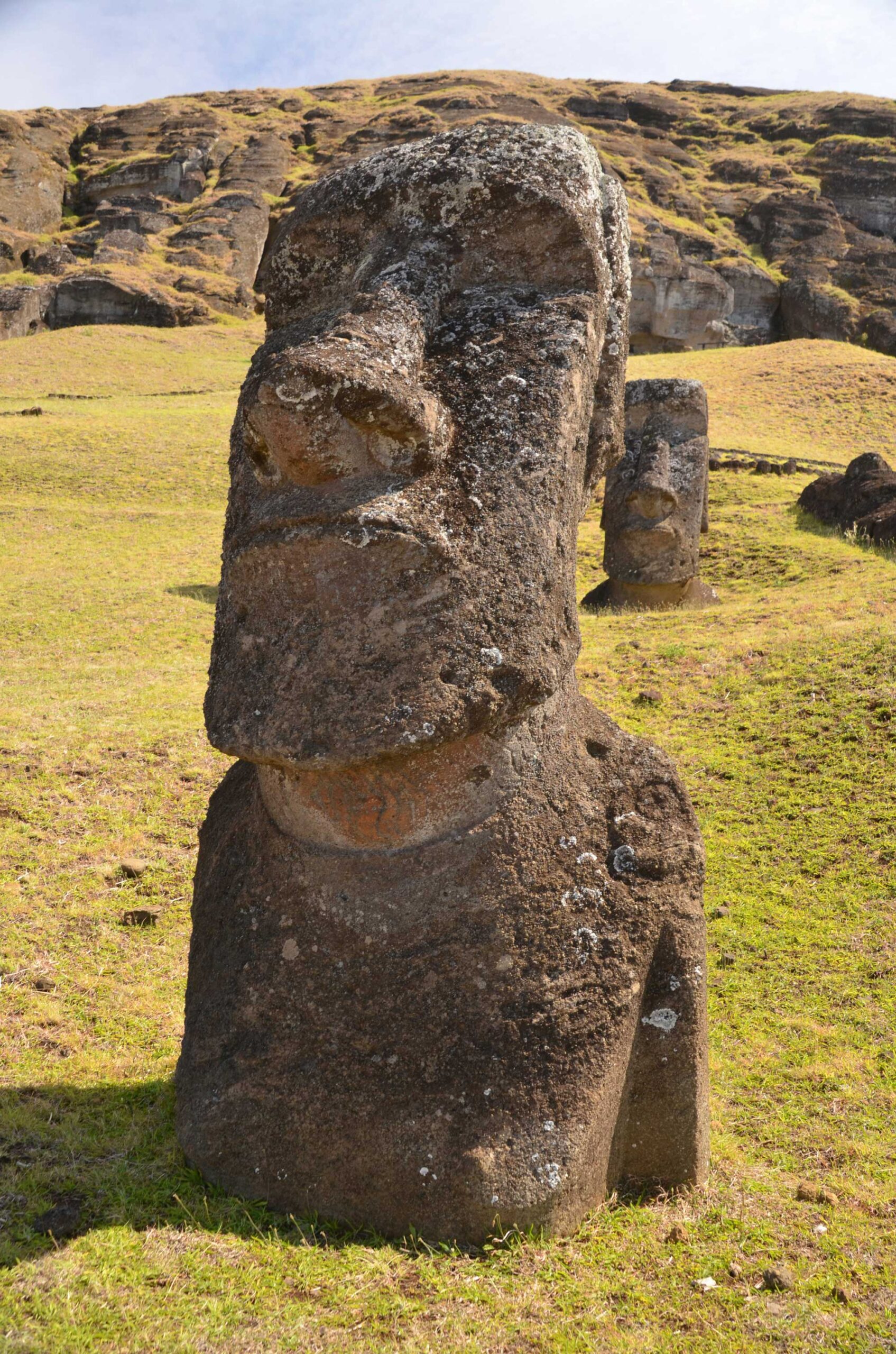
The quarry
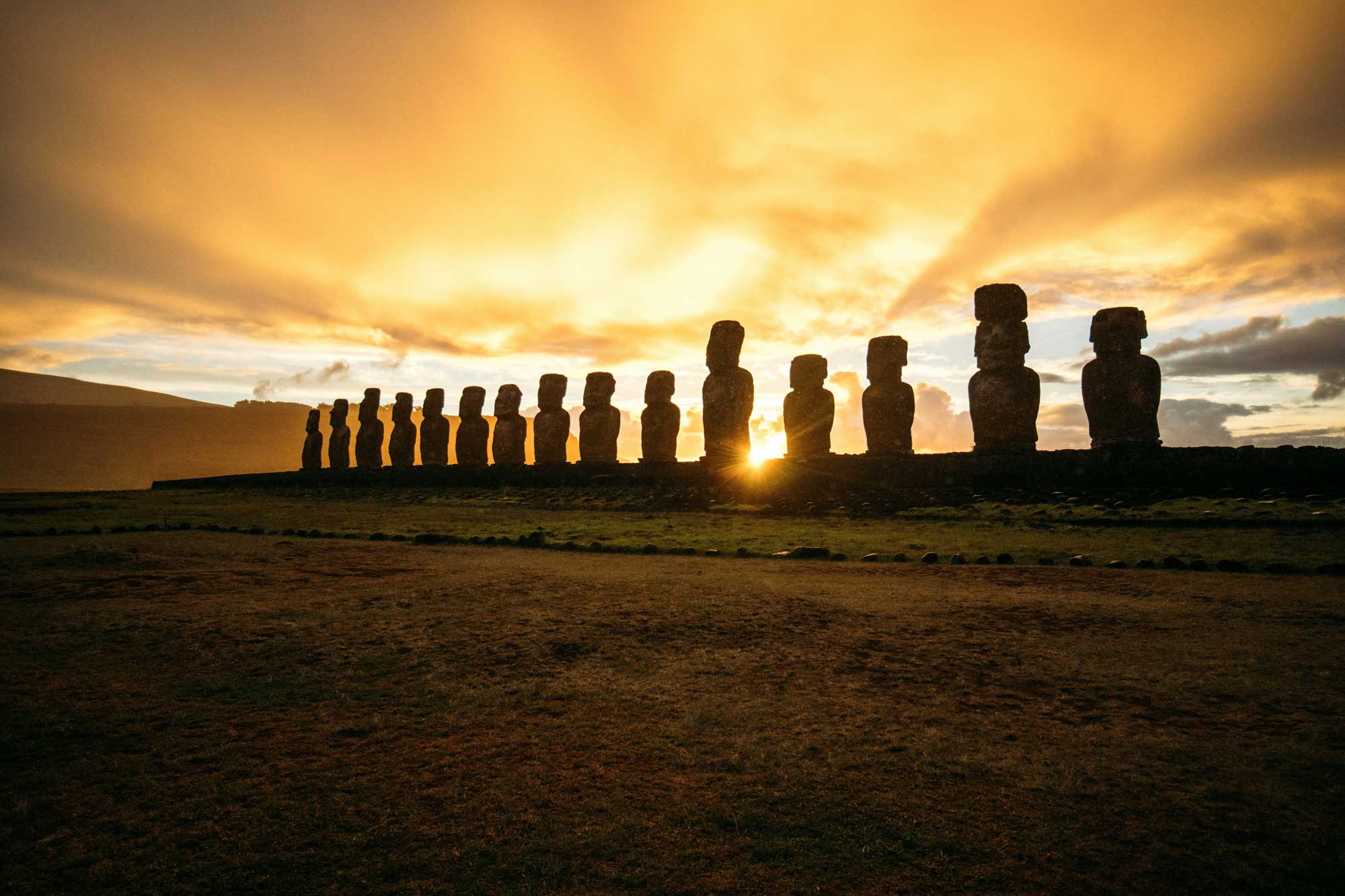
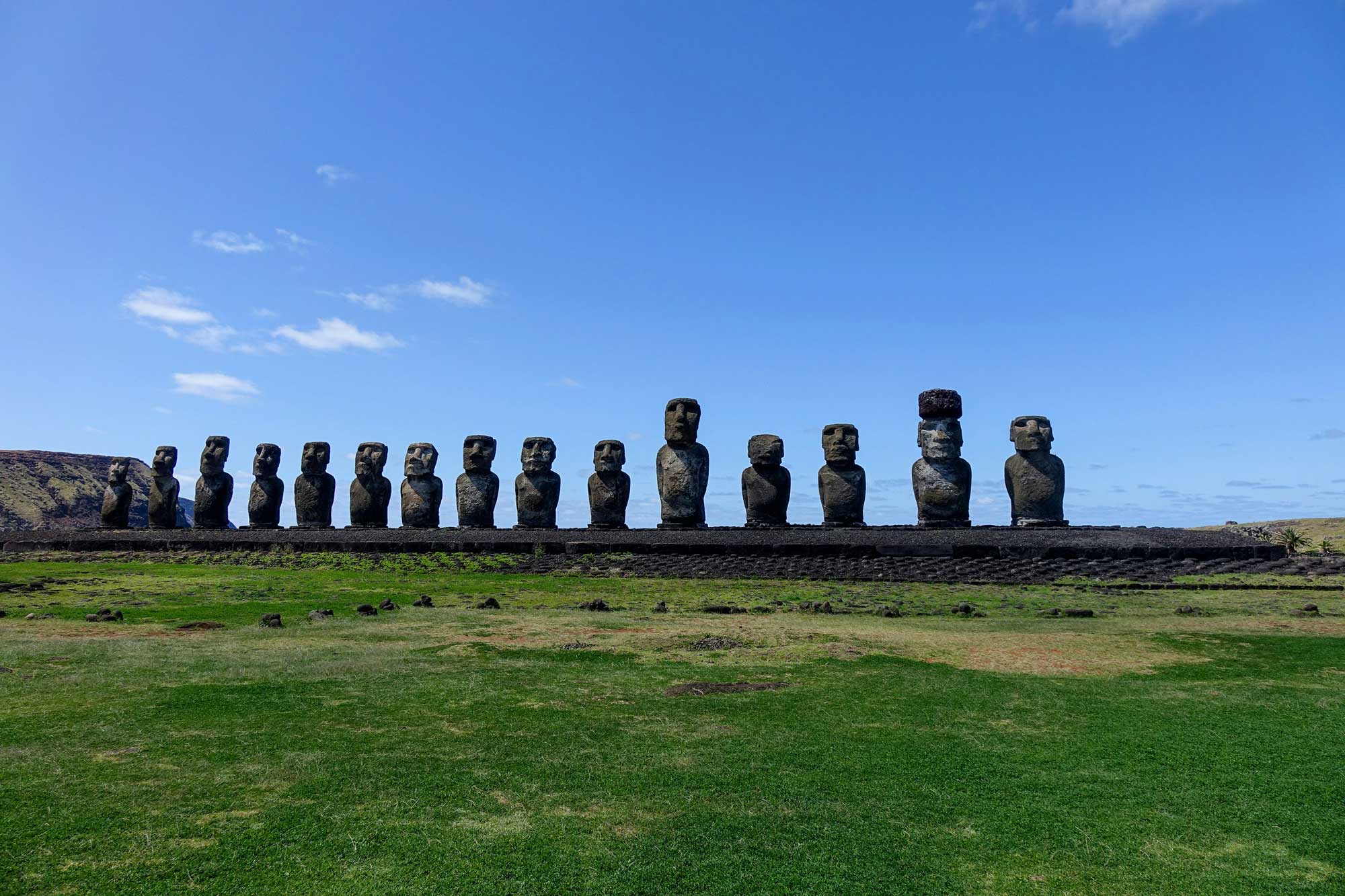
The ahu
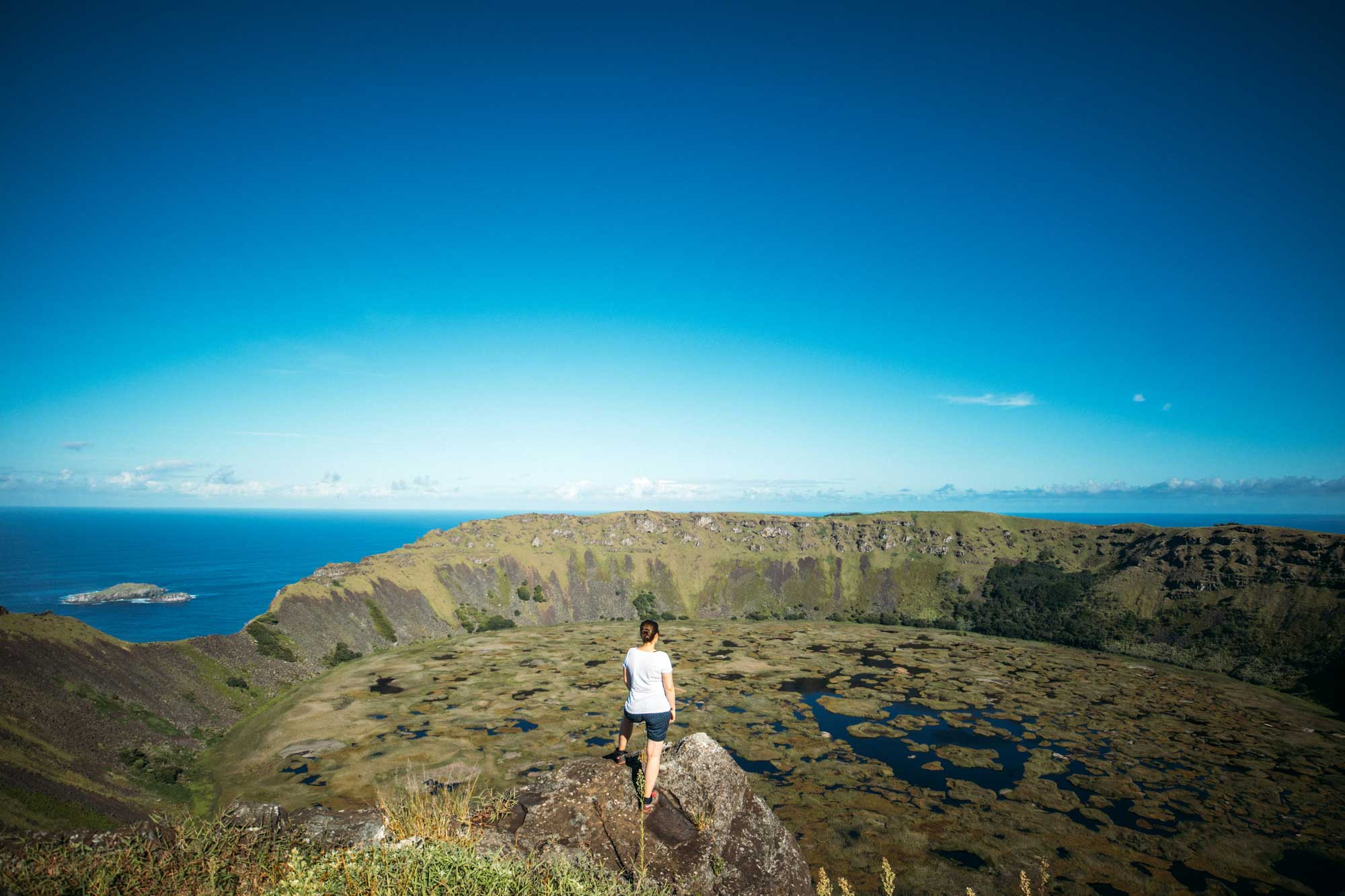
The rim
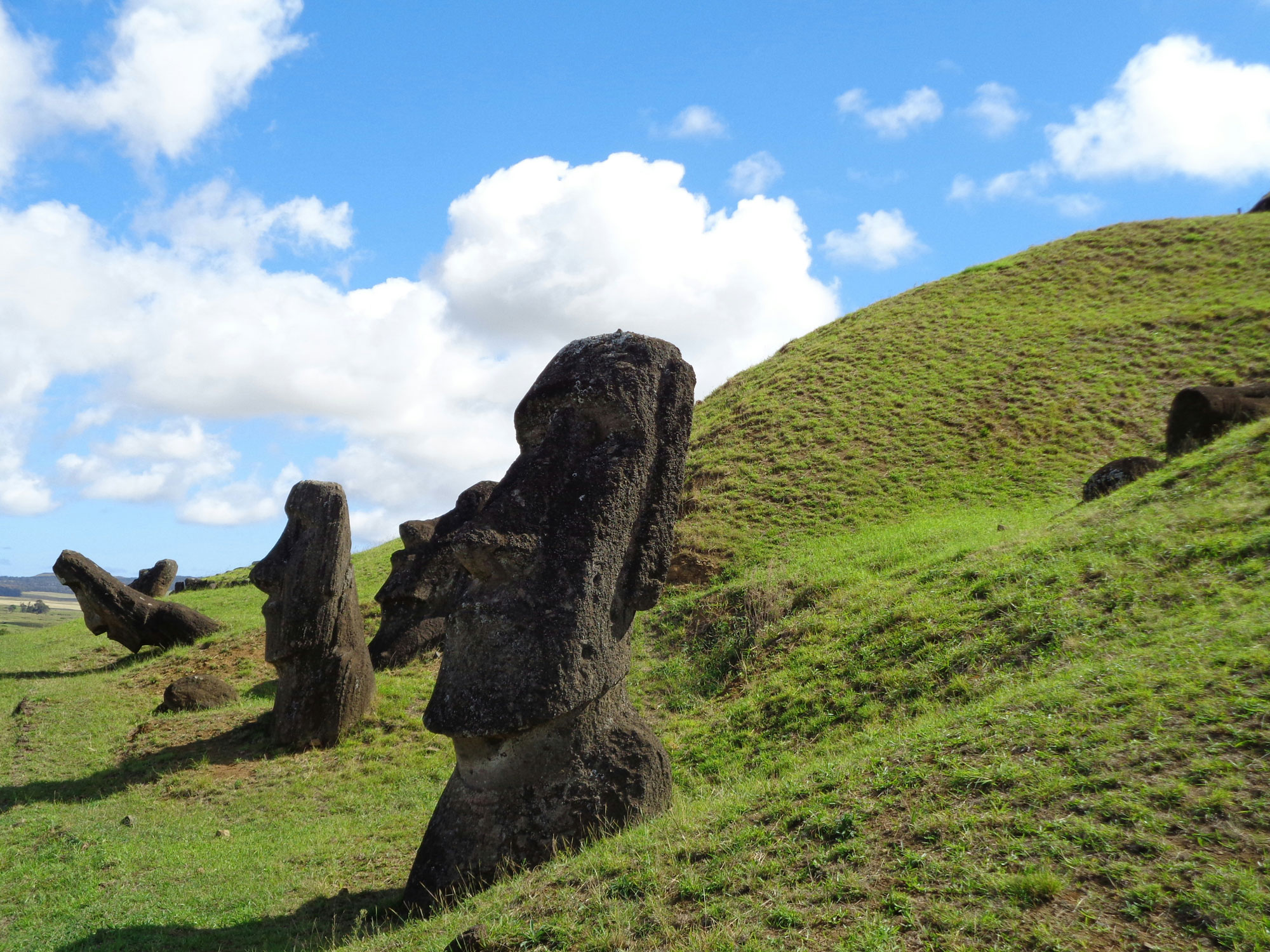
The grassland
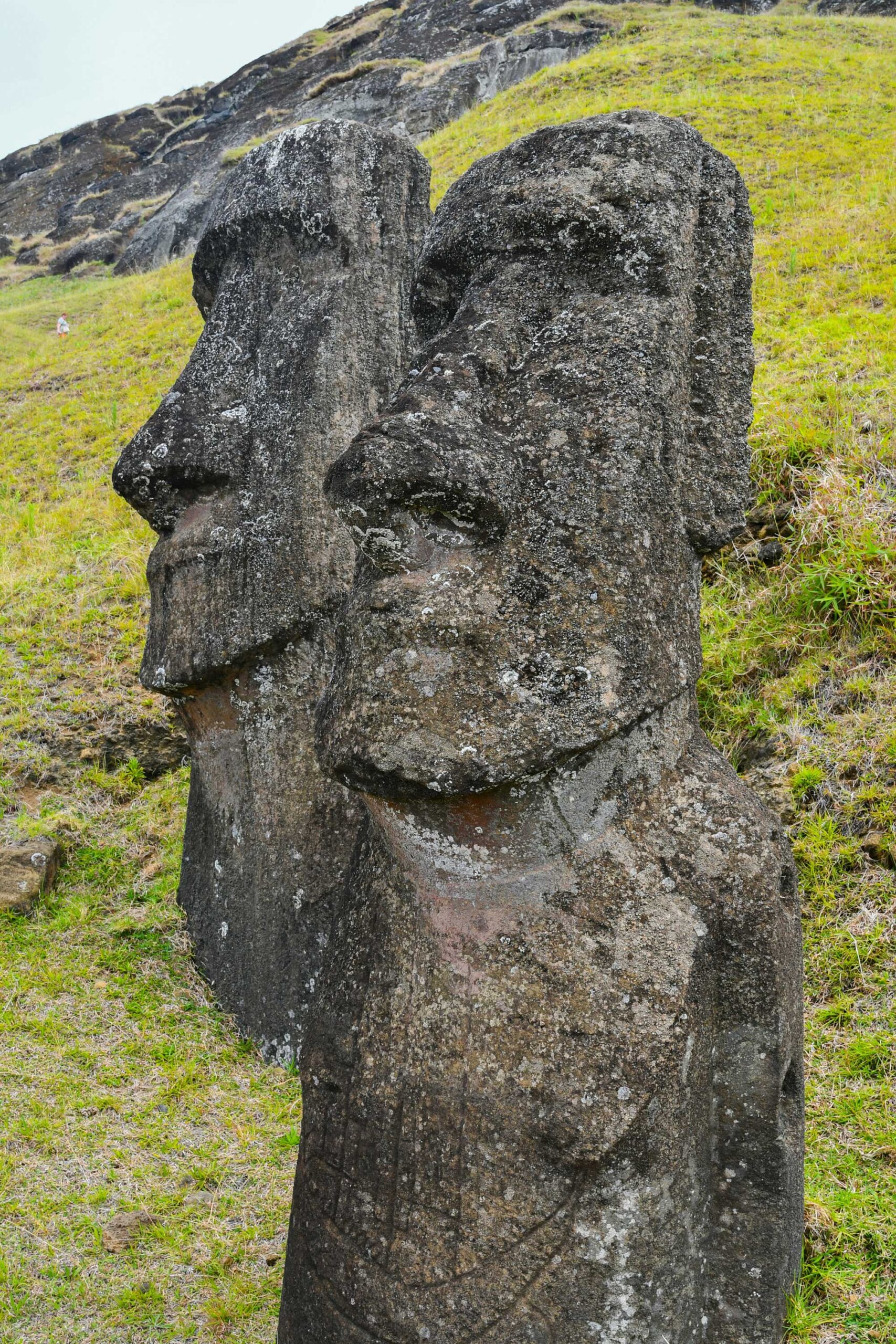
The stone
The form
The gesture came first. Cruz Ovalle went to the island three times before he drew anything. He watched the moai. They form a sort of archipelago across the surface of the island, he later said, and that is what he tried to do with the hotel. Stone bases by local artisans. A lighter wooden superstructure shipped from the continent, because the island is too remote to pretend otherwise. Laminated pine and cypress, prefabricated in Santiago, assembled on a hill chosen because it had no archaeological remains to disturb. Roofs the colour of hani hani, the boiled red volcanic clay of the island.
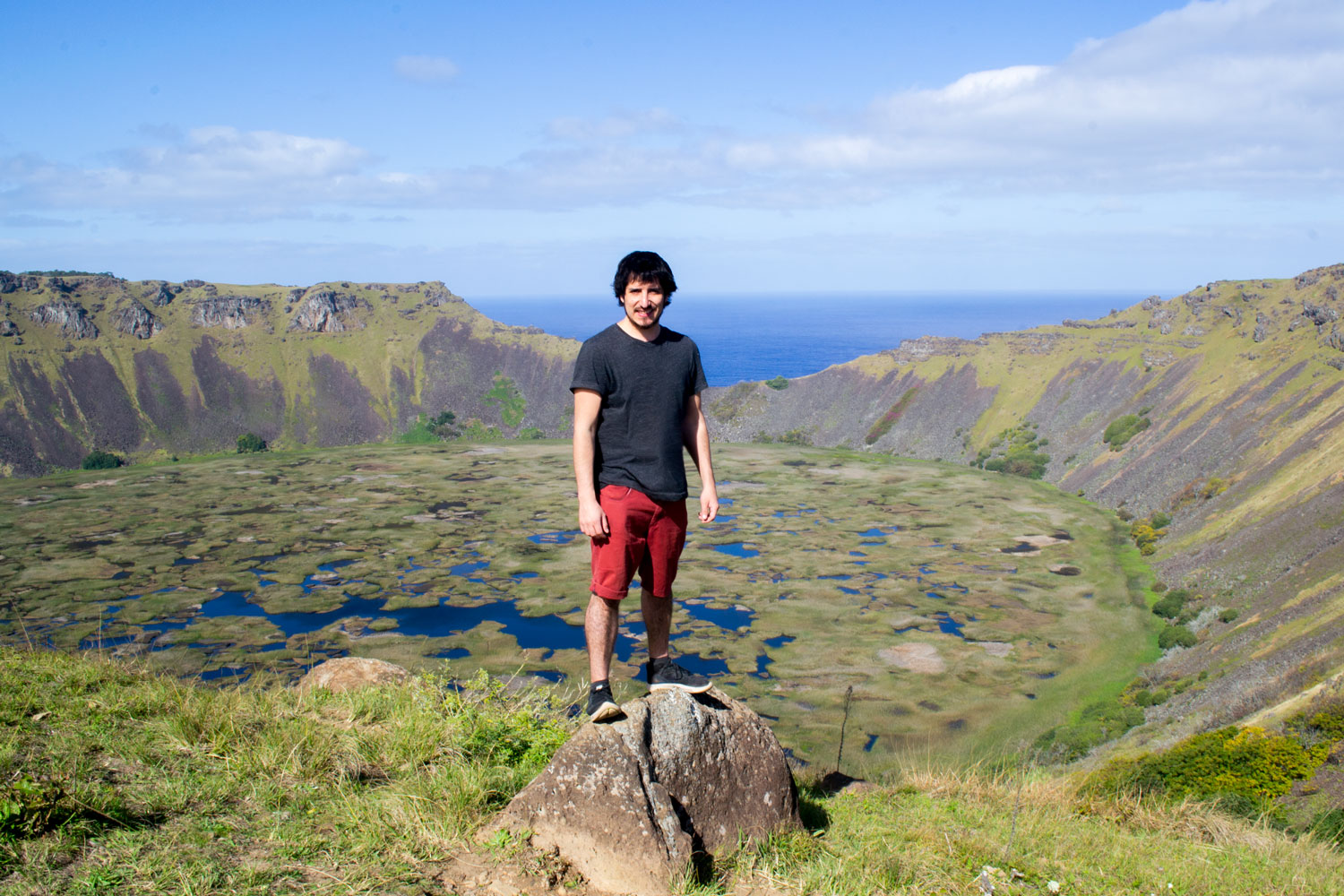
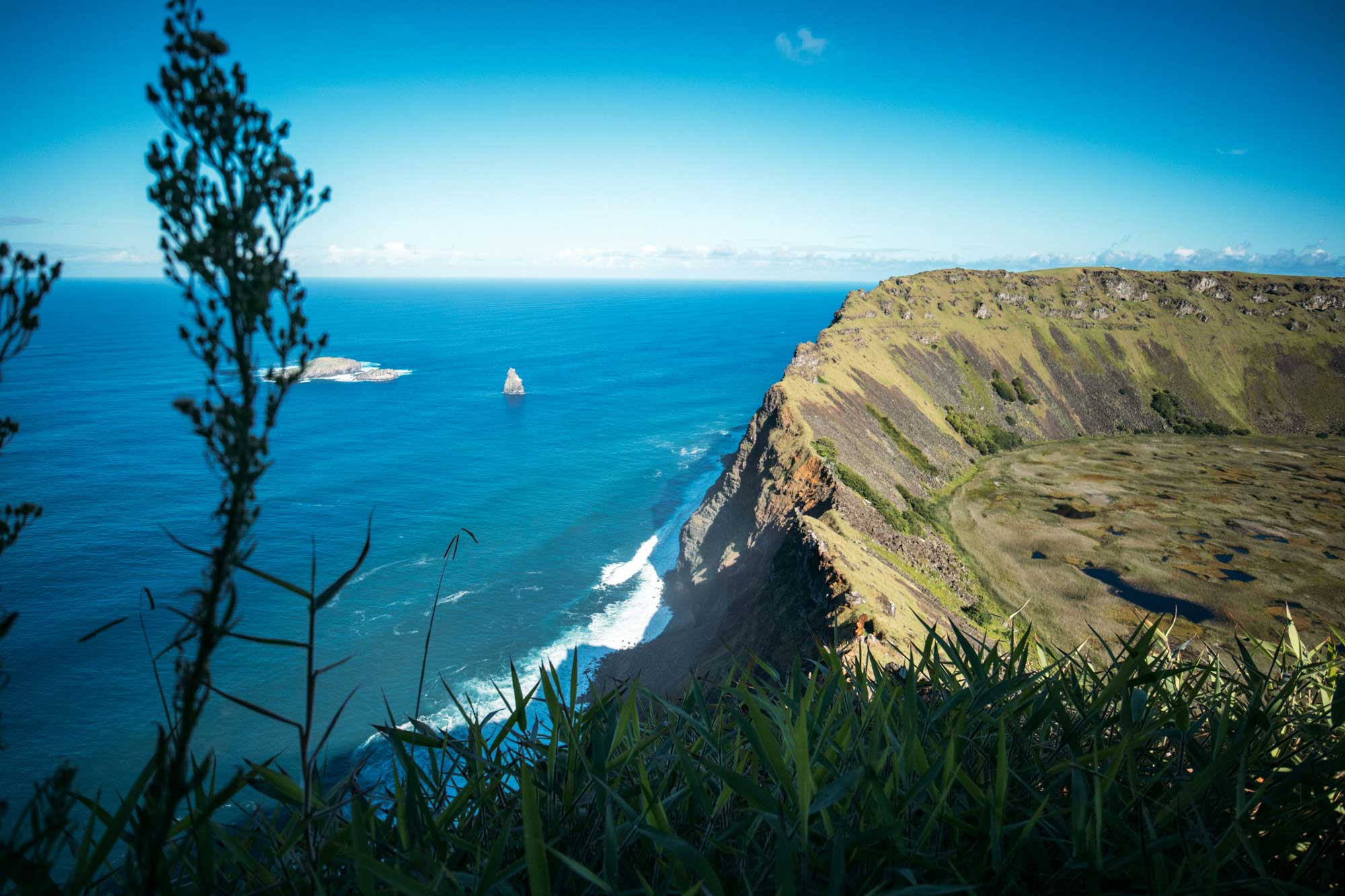
You come for the moai. You stay because the days from here are built around guided explorations: Rano Raraku, the quarry; Tongariki at first light; Orongo on the rim of Rano Kau; the coast. Park tickets, access, and which sites require a licensed guide change with the season. Check current rules. Do not treat an old itinerary as a promise.
The culture
Non-natives cannot fully own land on the island. The site exists because Mike Rapu, a Rapa Nui landholder and diver, put ten hectares of Te Miro O’one under a lodge that still carries his name: Posada de Mike Rapu. Explora is the Chilean operator. The authority of this stay is that partnership, plus an architecture that refused a single façade.
In 2009 it became the first hotel in South America to receive LEED certification. Use that as context, not as a badge. The exclusive thing is simpler: a front row on grassland and ocean that most visitors never take, because they are sleeping in Hanga Roa and driving out for the statues.
This is not cosmology pasted onto a spa. It is Rapa Nui, volcanic stone, and a living culture. Guides, not hashtags, are how you get closer. Inside the national park a certified guide is required.
The light
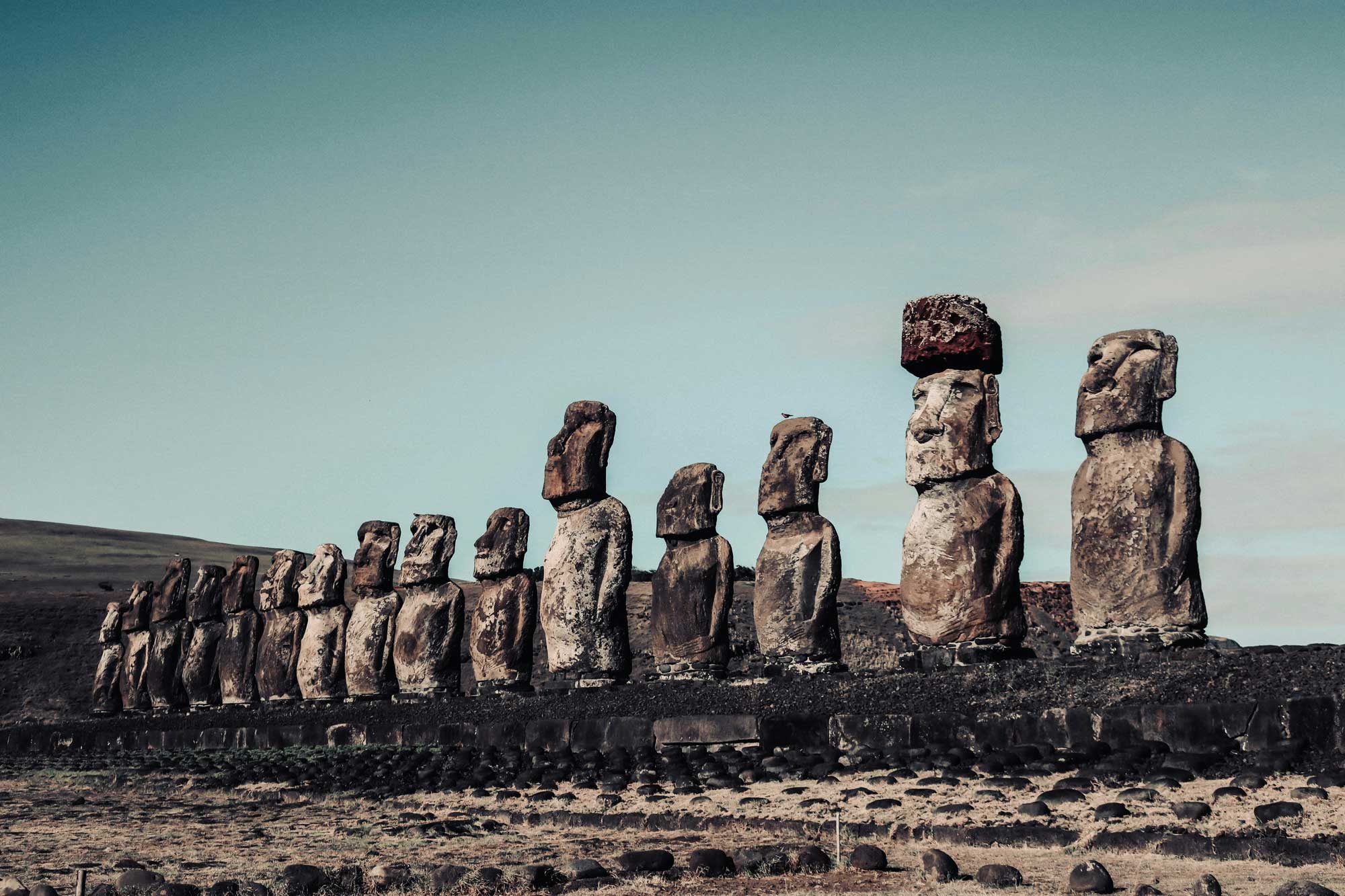
When to go
Clean view of Tongariki: clear eastern horizon.
Shoulder quiet: weekdays, first light.
Quarry: Rano Raraku later the same morning.
Birdman country: Orongo when the wind is readable.
Photography: stay on the marked viewing area.
Wind and rain still decide the morning. So does the park office.
The form
The reason.
Visit Explora Rapa Nui if you want Rapa Nui to remain large. The lodge is interesting because it refused to become a town hotel with a view of the statues. Days here only work if you go out: an ahu at dawn, the quarry, a crater rim, then back into wood and quiet.
Skip it if you want a hotel that performs luxury at the landscape. This one performs attention.
Mataveri (IPC) is the airport. Hanga Roa is the only town. The last kilometres are grassland and weather. Arrive with time. Leave with the same.
Photographs on this page are Remote Frontiers destination landscapes of Rapa Nui, not interiors of the lodge.