
Chile · Patagonia
Torres del Paine: A Guide to the Park
Granite towers, glacial lakes and open steppe at the southern end of the Andes—how the park is laid out, when to go, how to walk it, and where to stay.
The park
Granite, ice and steppe at 51° south
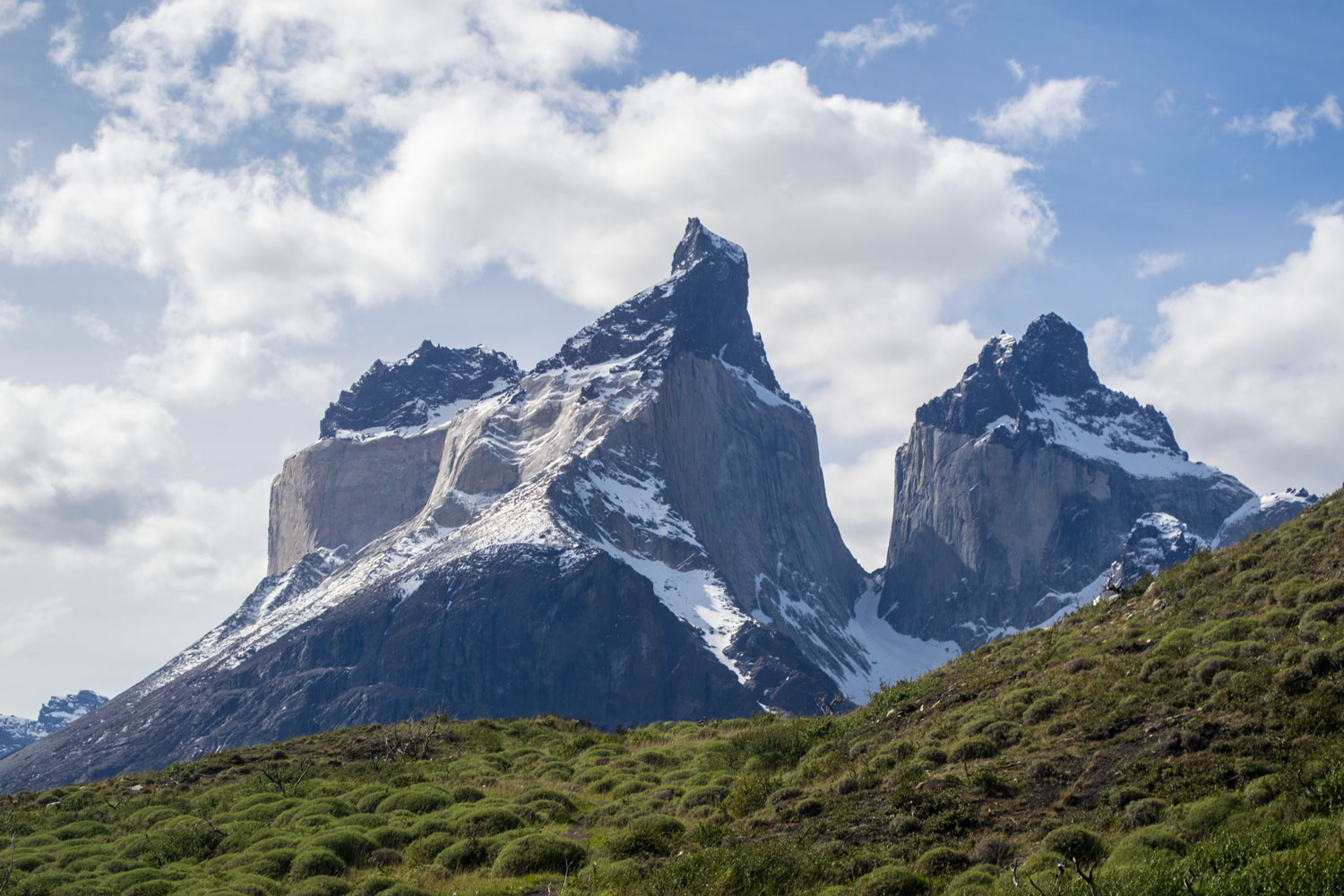
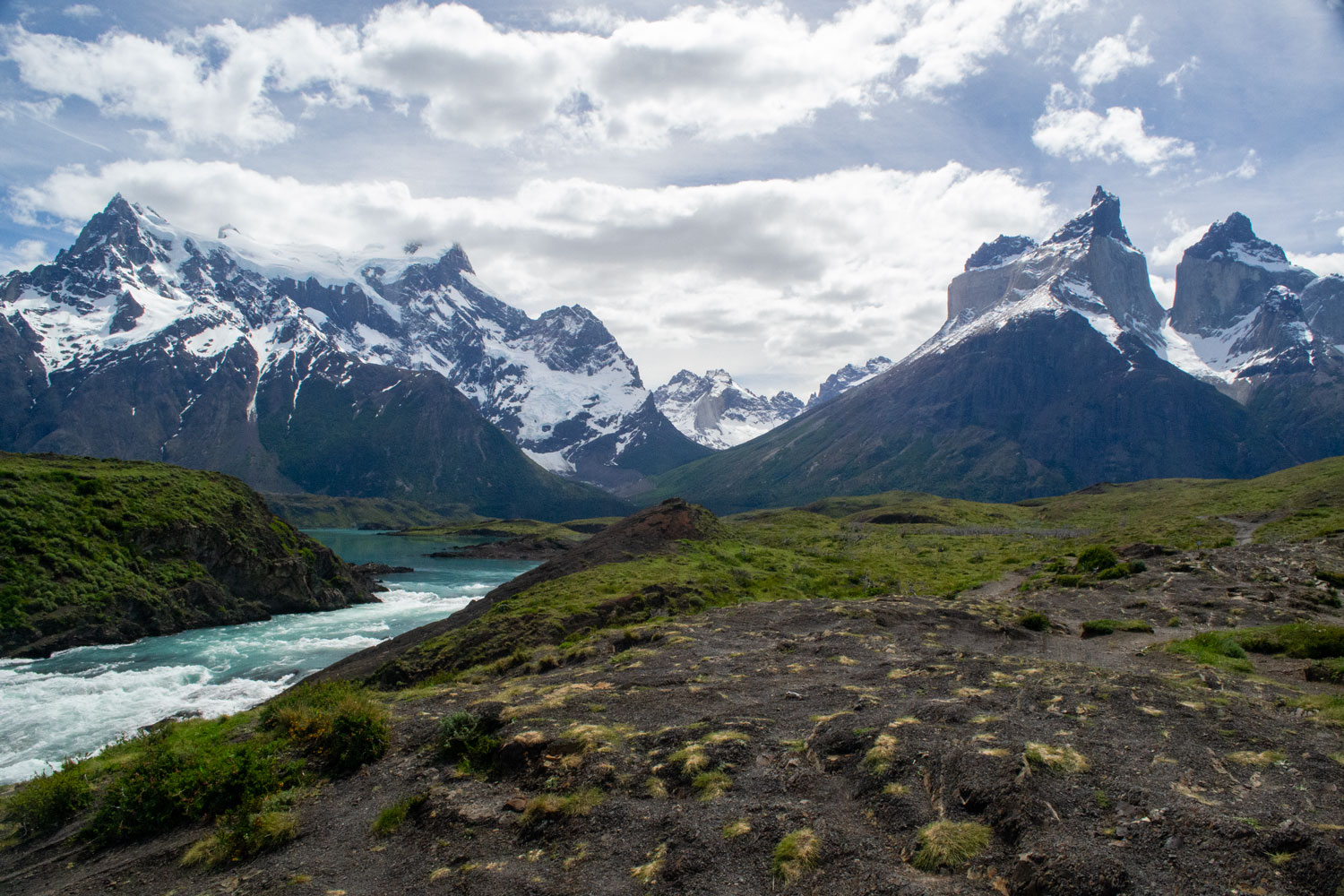
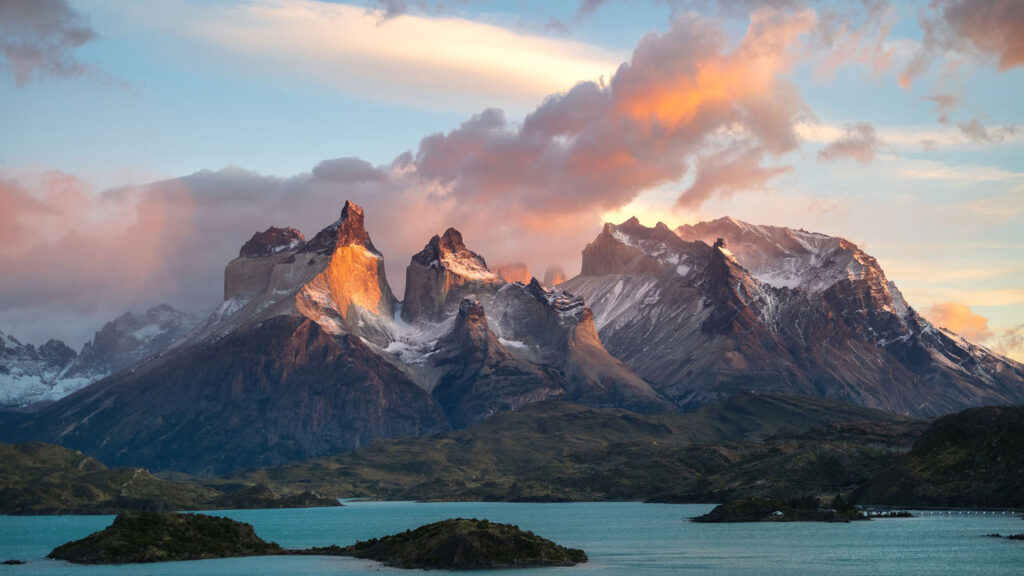
Torres del Paine National Park lies in the Magallanes region of southern Chile, around 110 km (70 mi) north of Puerto Natales, between the Southern Patagonian Ice Field and the open steppe that runs east toward Argentina. At its centre stands the Paine massif, a block of granite and dark sedimentary rock that rises on its own, slightly apart from the main line of the Andes, and reaches about 3,050 m (10,000 ft) at Paine Grande.
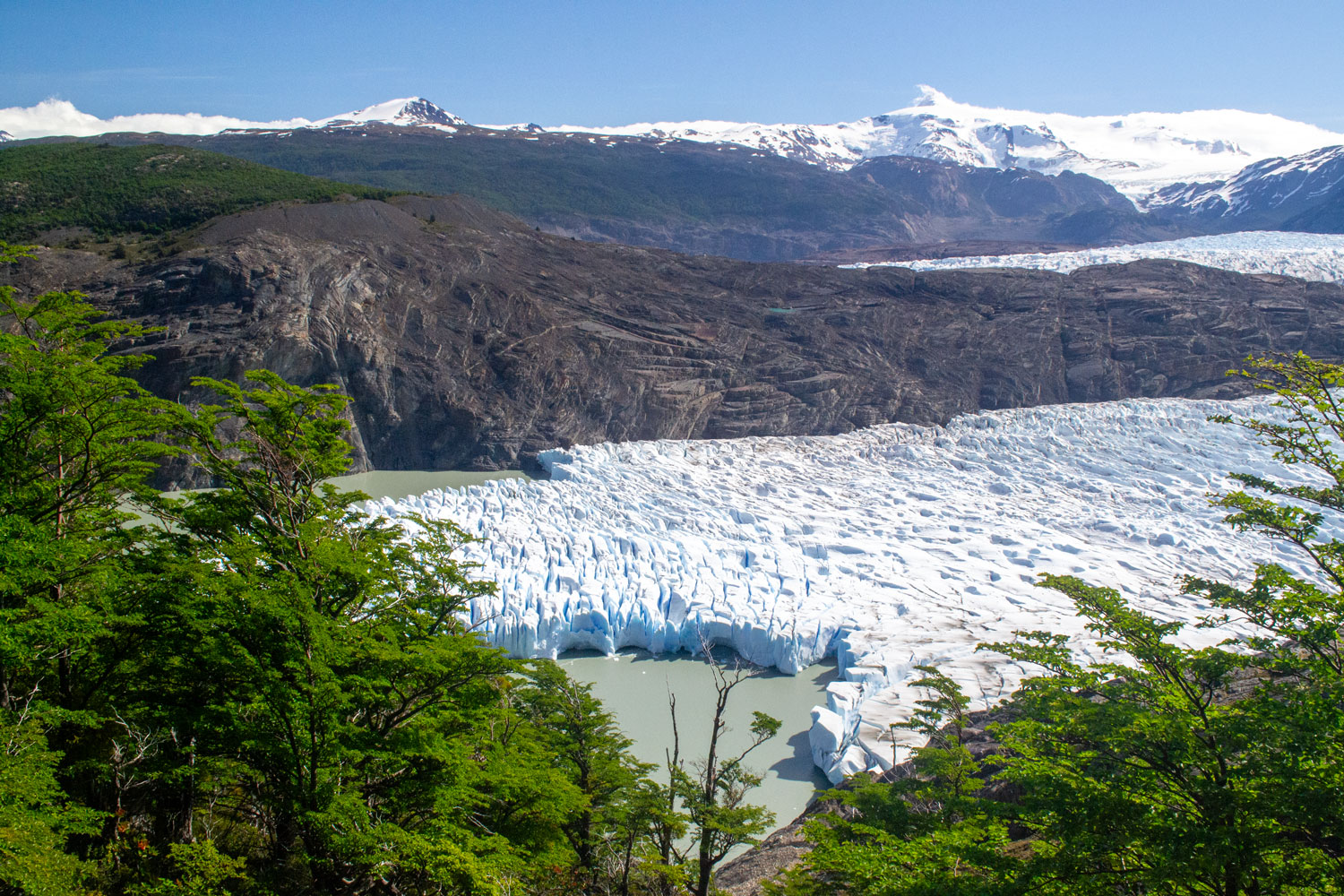
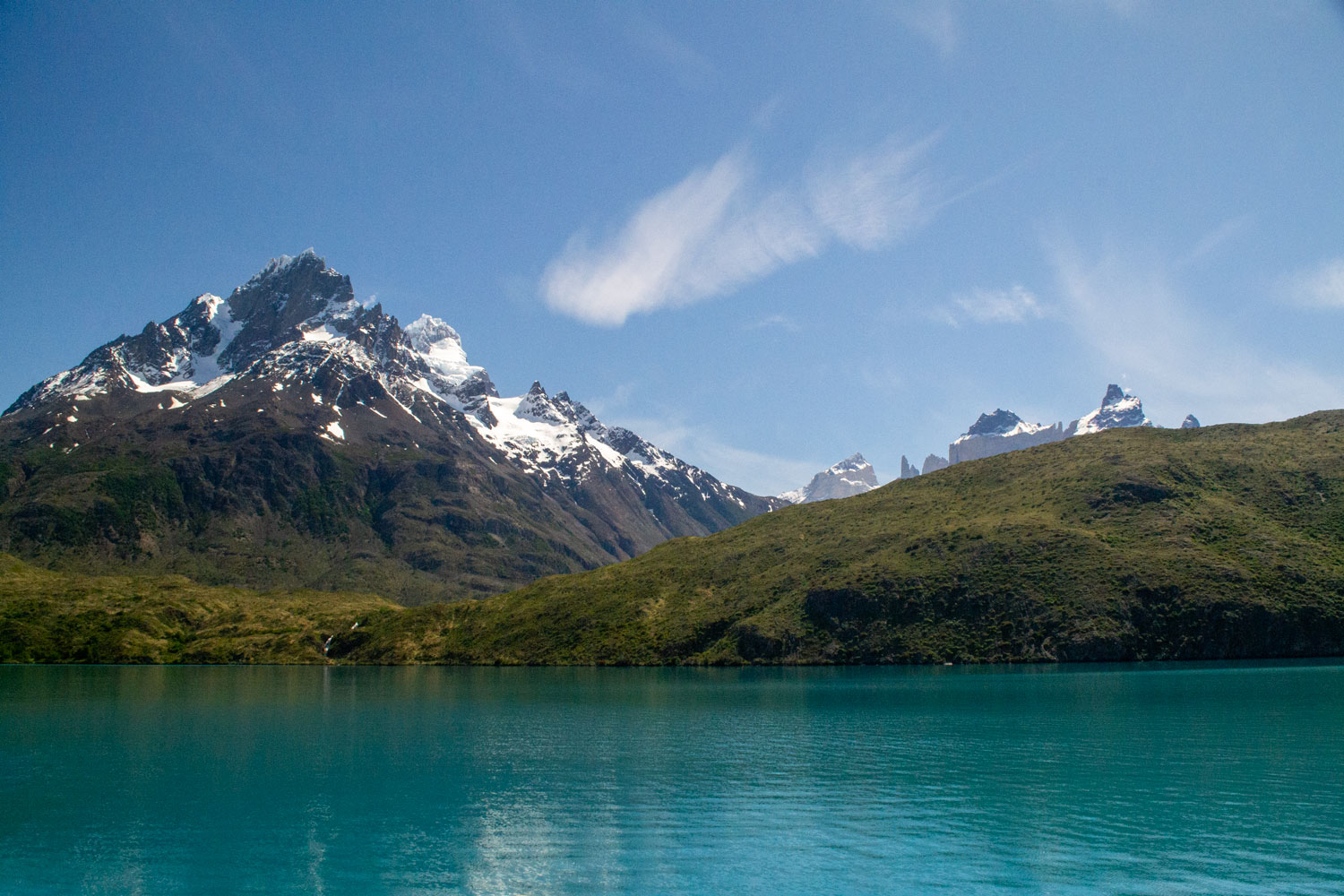
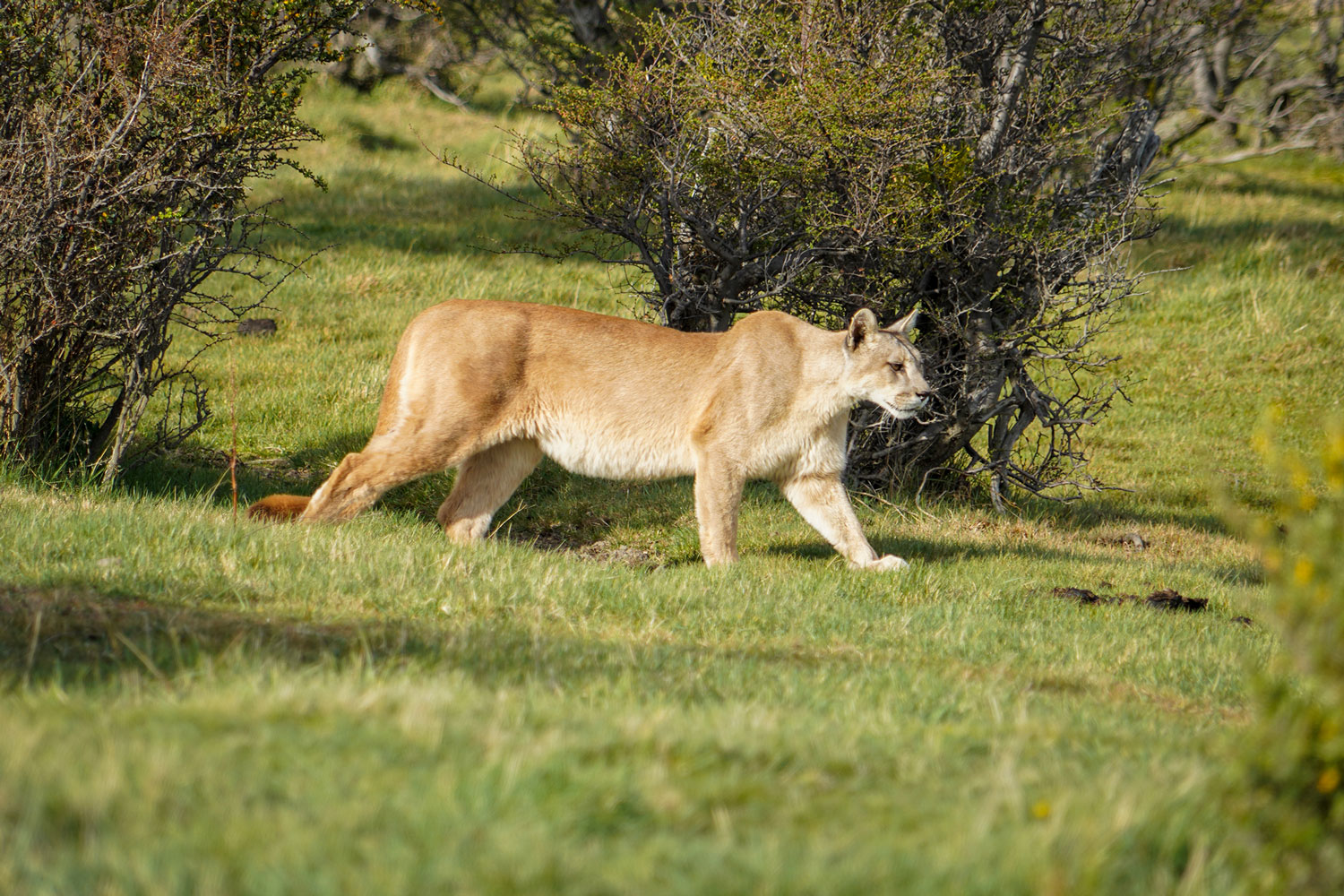
Around the massif the landscape changes every few kilometres. Glaciers flowing from the ice field—Grey, Dickson and Tyndall among them—feed a chain of lakes whose colours shift from milky grey to deep turquoise; beyond them, the steppe is home to guanacos, rheas, condors and one of the densest puma populations in South America.
The park was created in 1959, grew considerably in the decades that followed, and was declared a UNESCO Biosphere Reserve in 1978. It is managed by CONAF, the Chilean forest and parks service, and receives somewhere between 250,000 and 300,000 visitors a year—most of them between November and March, and most of them on a handful of trails.
How the park is laid out
Six sectors, one massif
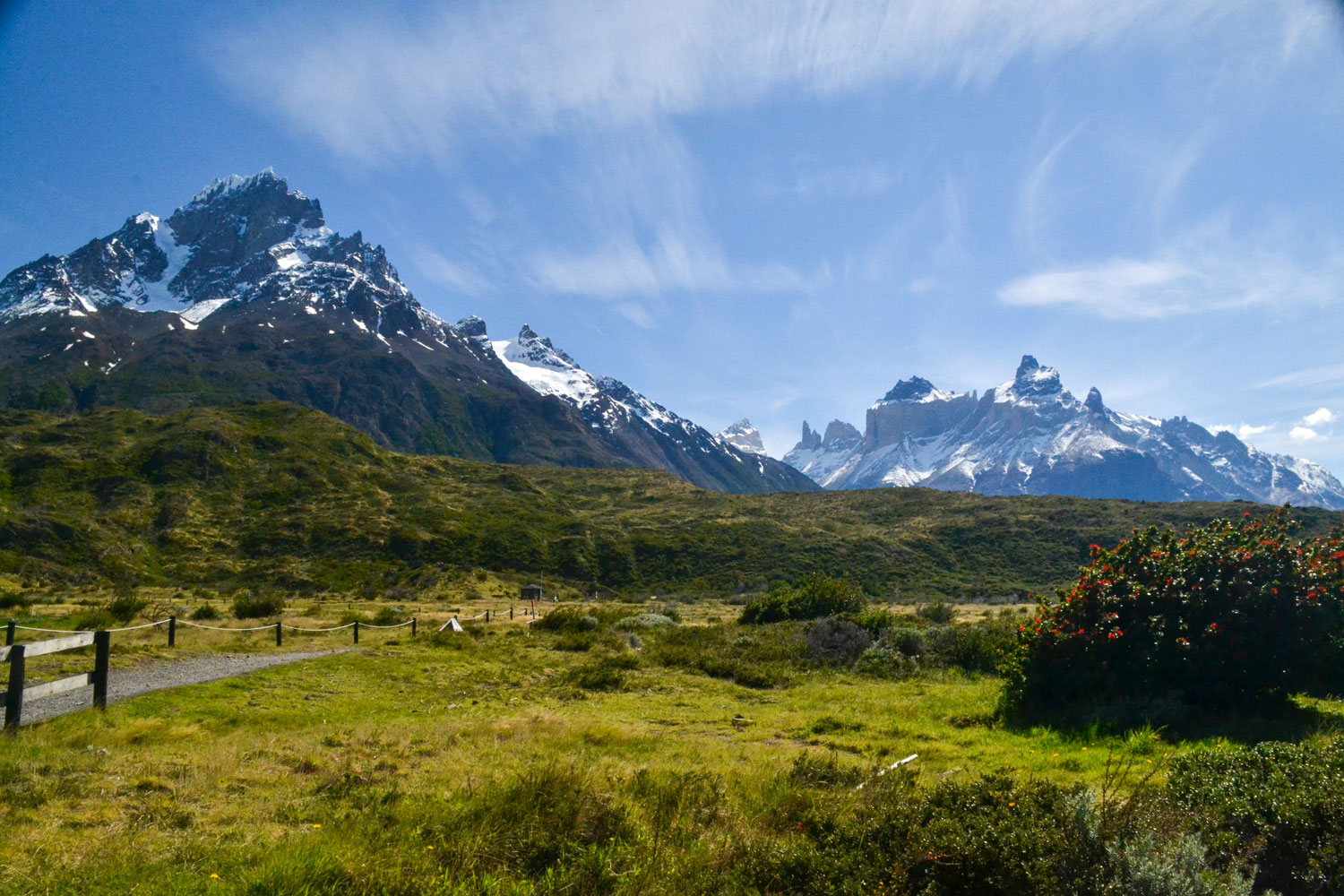
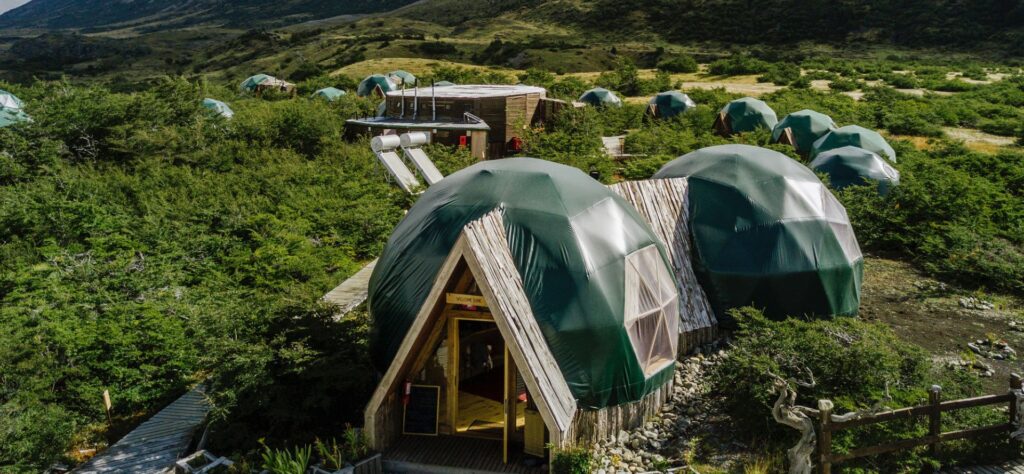
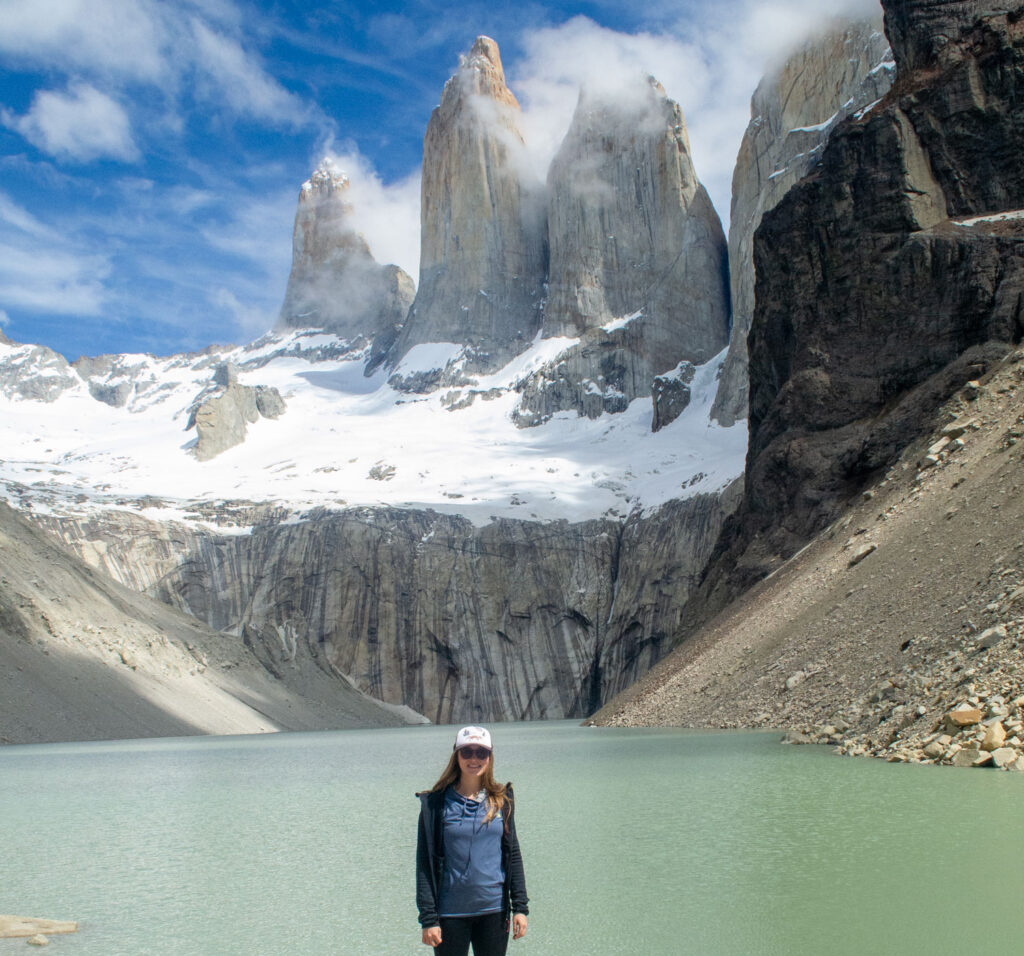
The Torre Central sector, on the eastern side of Torres del Paine National Park, is the starting point for the hike to Mirador Base Torres, the viewpoint below the three granite towers that give the park its name. The park’s Welcome Center, Hotel Las Torres and EcoCamp Patagonia are here, and most visitors arriving by bus enter through the nearby Laguna Amarga gate.
When to go
Long days, and the wind that comes with them
Most people arrive in the southern summer, from December to February, when the days are longest—close to seventeen hours of light around the solstice—the refugios are all open and every trail and boat is running. It is also when the park is busiest, and when the westerly wind off the ice field tends to blow hardest.
The shoulder months are, for many travellers, the better choice. In late October and November the steppe turns green and the trails are quieter; March and April bring settled spells, fewer people and the red and gold of the lenga and ñirre forests. Winter is the park’s quietest and calmest season, with snow on the massif and a real chance of pumas, though shorter days and seasonal closures change how it can be walked.
Whatever the month, Torres del Paine asks for a little flexibility. The weather can run through all four seasons in an afternoon, and the towers are often hidden in cloud for a morning before appearing, quite suddenly, by lunchtime. We would always build in one more day than the plan strictly needs.
Season by season
The year in Torres del Paine
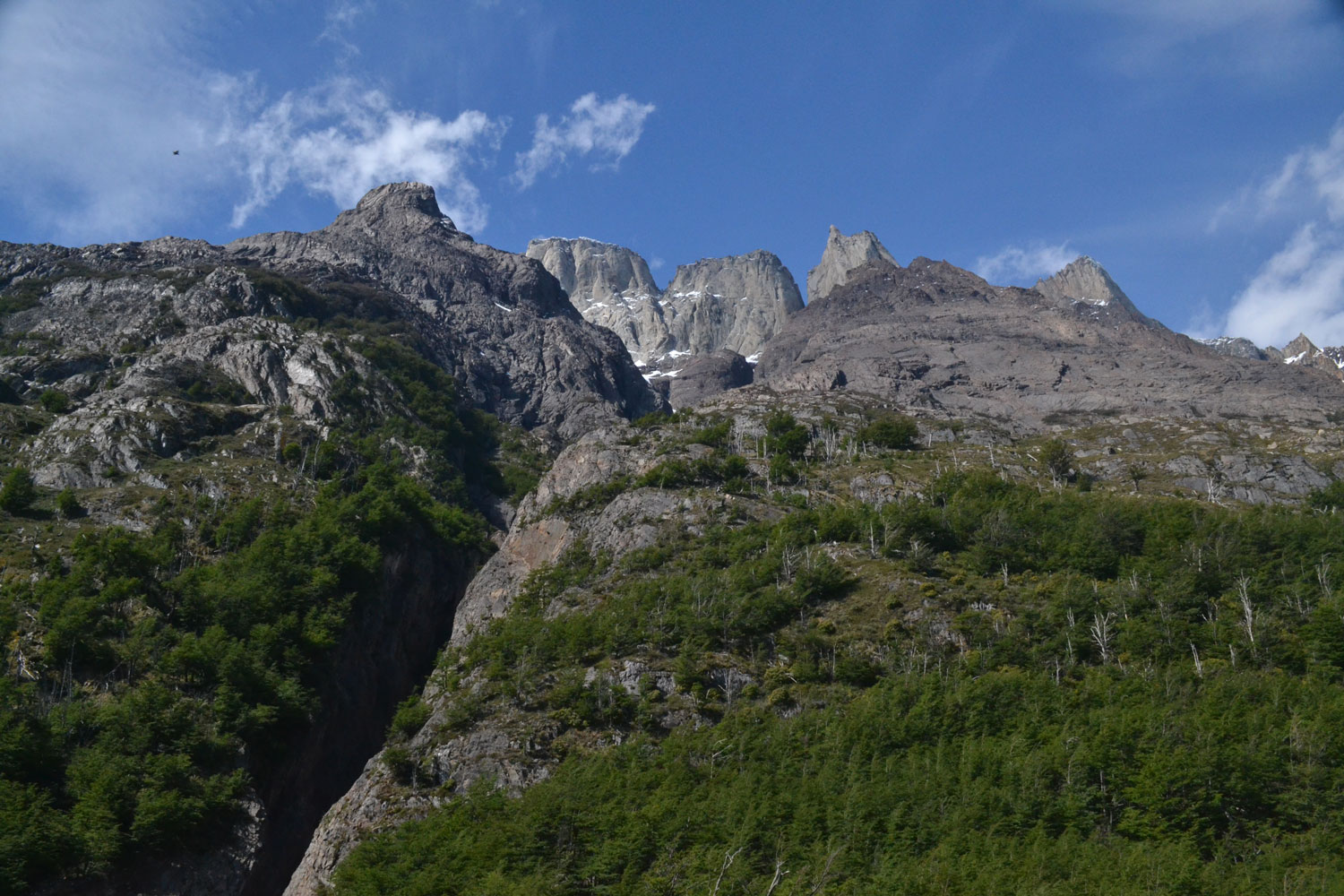
Spring in Torres del Paine runs from September to November. September and October are still cold, with snow at higher levels and some services closed; by November the refugios and boats are running, days are long and visitor numbers are moderate. Wind picks up through the season. The Macizo Paine (O) circuit usually opens in the second half of spring; in 2026 it is closed until at least 1 November.
Walking the park
The W, the O and the days in between
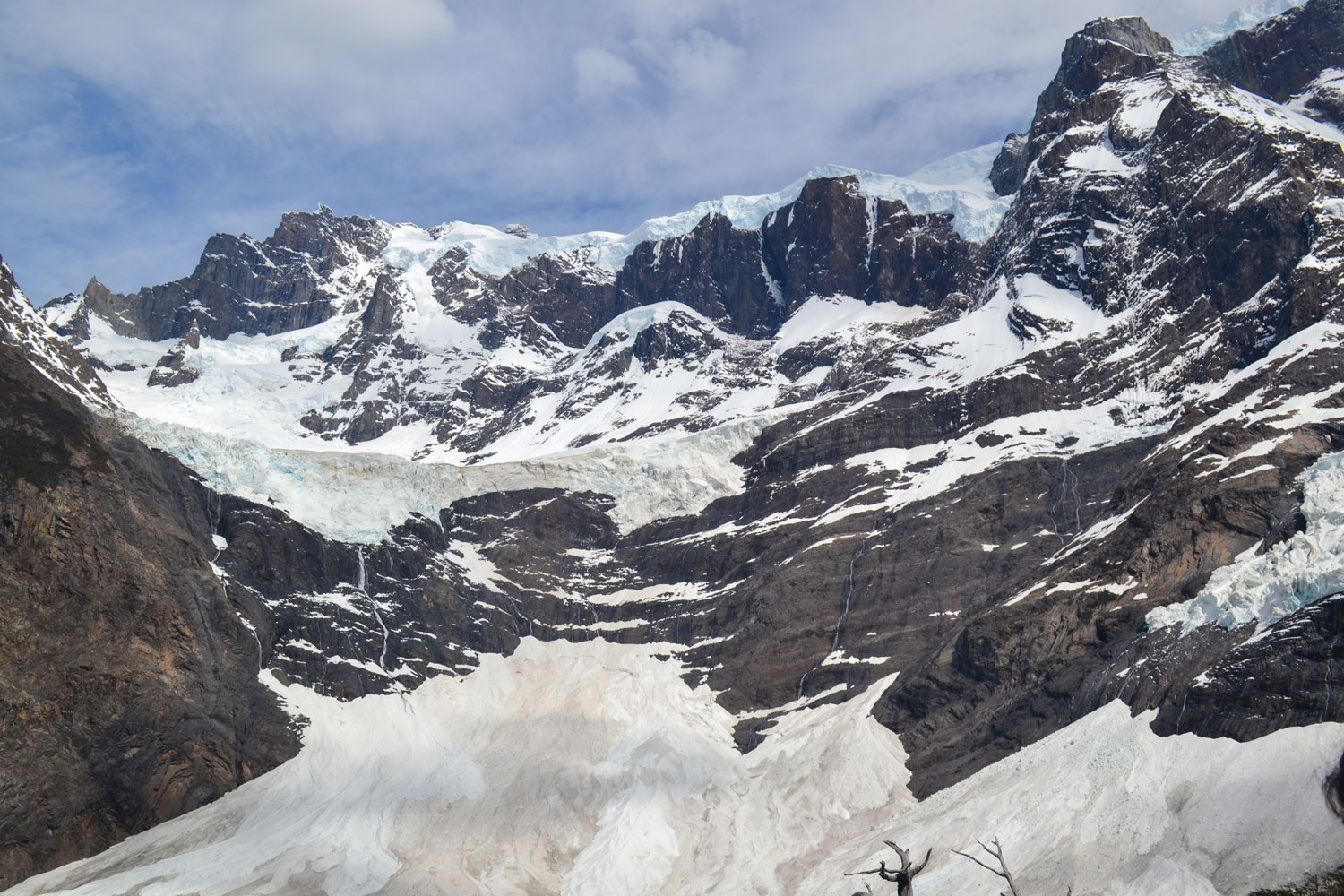
Torres del Paine is, above all, a walking park, and the two long routes around the massif are the reason many people come. The W traces the southern side of the Paine in four or five days, linking the three great viewpoints—Base Torres, the French Valley and Grey Glacier—with nights in refugios or campsites along the way. The O continues around the back of the massif, over the John Gardner Pass and along the edge of the ice field, a longer and much quieter week or more.
Neither route has to be walked in one go. Many of the park’s best days can be done as single outings from a lodge or from Puerto Natales: the climb to Base Torres, the short walk to Mirador Cuernos, the catamaran across Pehoé, a boat to the face of Grey Glacier, or a long day into the French Valley. For travellers who want the landscape without a pack, that way of seeing the park works well, and it is how the exploration lodges are designed.
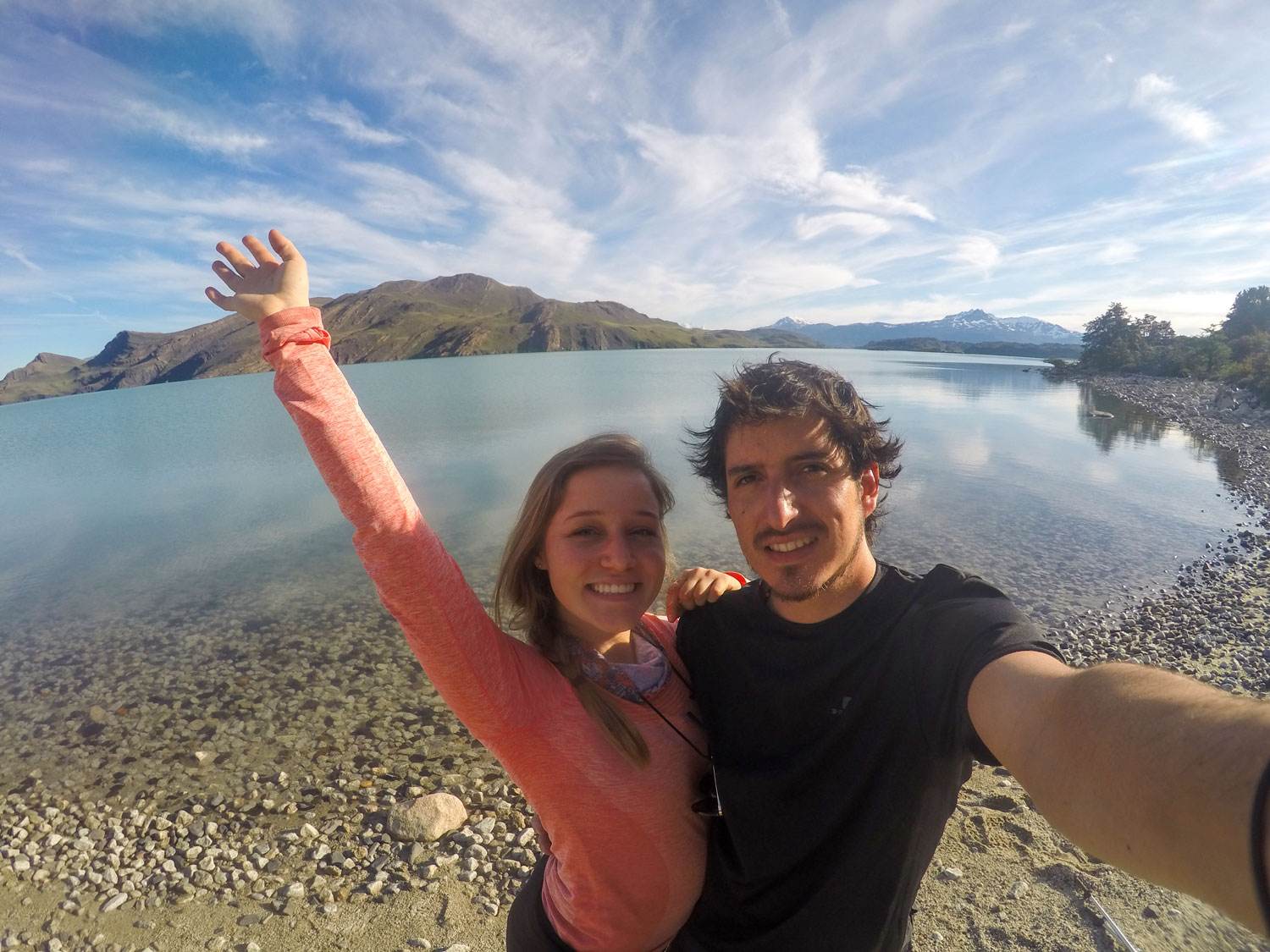
We walked the W ourselves, and wrote about it in Hiking the W Trek in Torres del Paine.
The classic walks
Six ways to see the massif
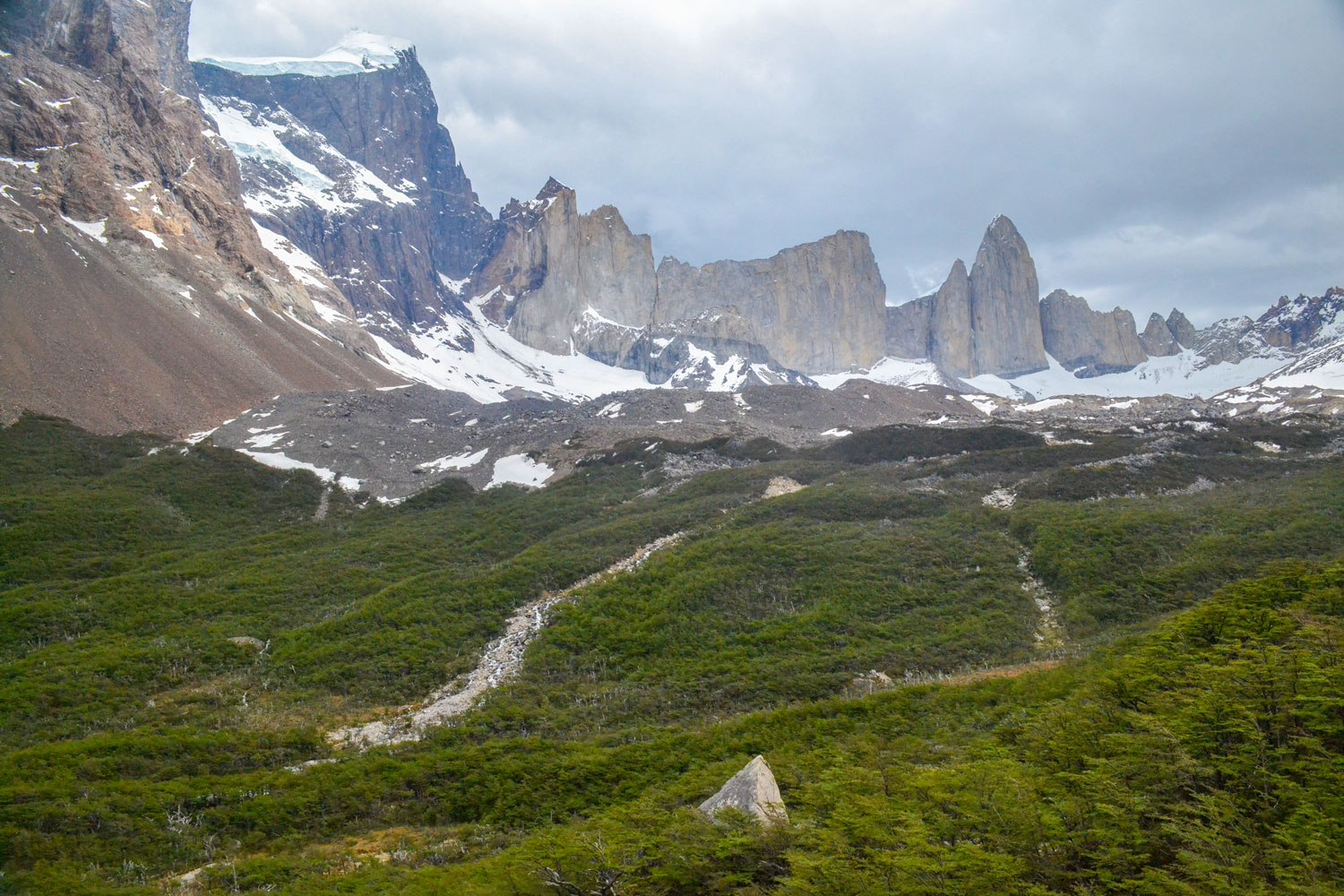
The hike to Mirador Base Torres, the viewpoint below the three granite towers of Torres del Paine, starts in the Torre Central sector and is about 20–22 km (12–14 mi) round trip, with around 800–900 m (2,600–3,000 ft) of climbing. It takes most walkers eight to ten hours. The final hour is a steep boulder climb to a glacial lake at the foot of the towers. Clear mornings give the best light.
Beyond the trails
Pumas, boats and the estancias
Some of the most memorable days in Torres del Paine happen away from the main trails. On the eastern steppe, around Laguna Amarga and Lake Sarmiento, pumas follow the guanaco herds, and specialist trackers working on the estancias that border the park have made sightings far more common than they once were. It is a slow, patient kind of day, spent watching the ridgelines with binoculars, and it tends to stay with people longer than any viewpoint.
On the water, the catamaran across Lake Pehoé and the boats to the face of Grey Glacier show the park from another angle, and in summer there is kayaking among the icebergs on Lake Grey. The estancias around the park, some still working sheep farms, offer horse riding across the steppe and a sense of the ranching history that shaped this corner of Patagonia long before it became a national park.
Where to stay
Inside the park, at its edge, or in town
Where you sleep shapes the whole trip. Inside the park there are two very different ways of staying. Along the W and the O, refugios and campsites run by two concessionaires offer dormitories, tents on platforms and simple meals—the only way to walk the long routes, and a lively, sociable way to do it. Elsewhere, a few lodges and hotels let you stay in one place and head out each day with a guide, returning to a proper dinner and a warm room.
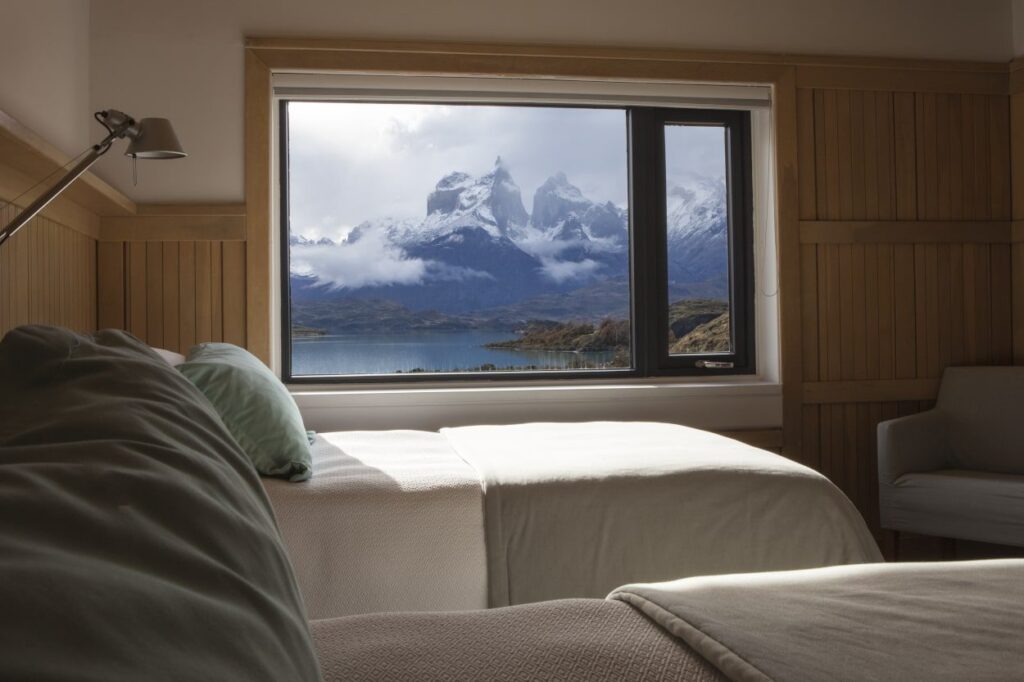
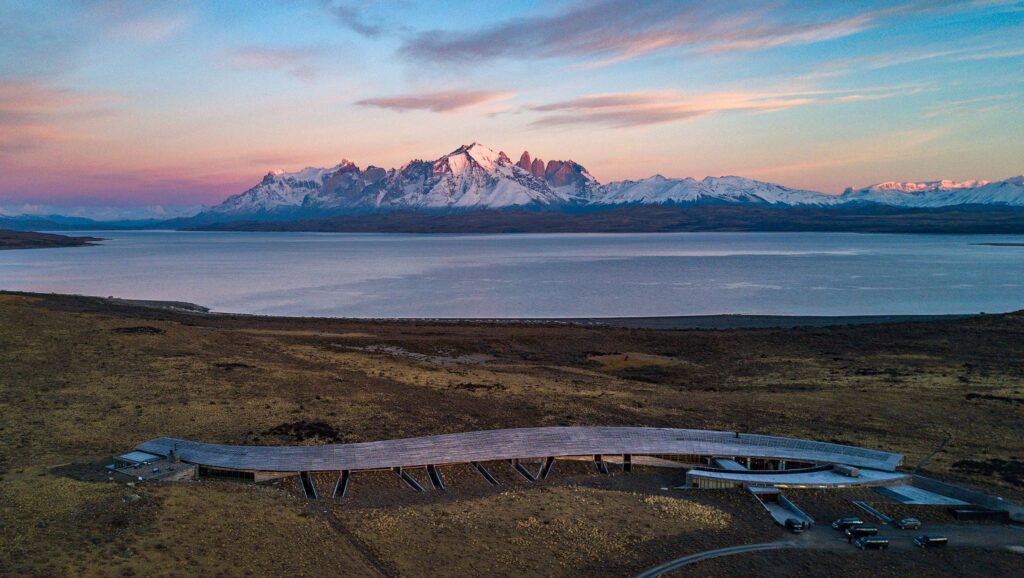
The exploration lodges suit travellers who want both the outdoors and the comfort: meals, guiding, park fees and transfers are usually included, and each day’s outing is chosen the evening before with the guides. The three we know best look at the massif from three different sides—Explora from Lake Pehoé in the middle of the park, Tierra from Lake Sarmiento on its eastern edge, and EcoCamp from the Torre Central sector, close to the Base Torres trail.
Puerto Natales, around two hours away, is the practical choice for day visits and a good place to spend a night on either side of a trek.
Stays we know
Lodges, camps and refugios
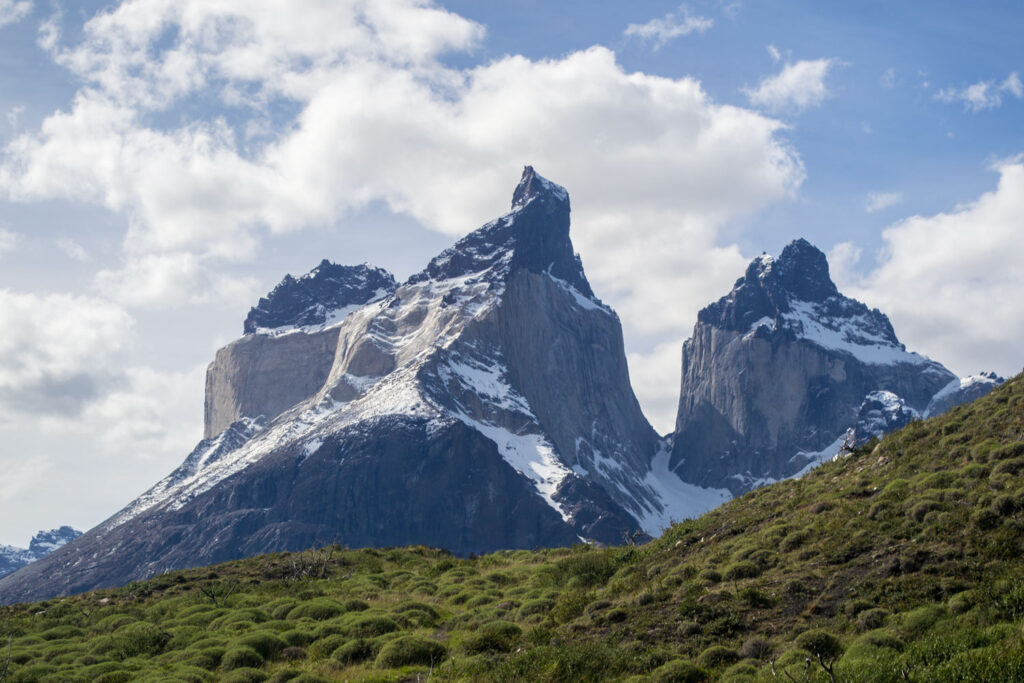
Explora Patagonia is a 50-room exploration lodge on the south-western shore of Lake Pehoé, inside Torres del Paine National Park, beside the Salto Chico waterfall and facing the Cuernos del Paine. Opened in 1993 and designed by Germán del Sol and José Cruz Ovalle, it runs all-inclusive stays with more than forty guided explorations. We wrote about it in Explora Patagonia.
Planning
Tickets, access and rules
Entry to Torres del Paine National Park requires a ticket bought online in advance through CONAF’s official system at pasesparques.cl; tickets are not sold at the park gates. As of 2026, foreign adults pay CLP 32,400 for a single day and CLP 48,500 for a pass of two or more days, valid for up to ten consecutive days; Chilean adults pay CLP 9,400 and CLP 14,200. Carry the QR code on your phone.
FAQ
Questions about Torres del Paine
Torres del Paine is at its best when there is time to wait for the weather—a spare morning for the towers, an afternoon on the steppe, a boat when the wind drops. If you are shaping a journey around the park, whether on foot along the W or from a lodge, we are happy to connect you with a local specialist.
For the wider region, start with Patagonia. For the trek itself, read Hiking the W Trek in Torres del Paine.
Sources: CONAF, Parque Nacional Torres del Paine (park information, winter regulation and 2026 notices); Pases Parques, official ticket rates 2026; UNESCO Man and the Biosphere Programme, Torres del Paine Biosphere Reserve; Las Torres Patagonia and Vertice Patagonia, refugio and campsite information; Hielos Patagónicos, Lake Pehoé catamaran. Last reviewed September 2026.